At Faith Recovery Center in Beverly Hills, families often call after months of worry and failed promises. The most common question is direct: how do i help a family member find the right drug and alcohol rehab? The short answer is research first, then a calm conversation, then a verified treatment provider with medical and mental health capacity under one roof.
Addiction is a family disease in the sense that substance abuse rewrites household routines, trust, money, and sleep for everyone nearby. You do not need a clinical degree to help your loved one move toward care. You do need a clear checklist for quality treatment, a plan for health insurance, and a way to set healthy boundaries so you stop enabling while you still show up.
How Do I Help a Family Member Find the Right Drug and Alcohol Rehab?
Faith Recovery Center admissions see families from across Los Angeles County every week, each with the same core concern. Start by naming the problem in clinical terms rather than moral ones. Substance use disorder is diagnosed when a person uses more than planned, spends large amounts of time obtaining or recovering from drugs or alcohol, fails repeated cut-back attempts, neglects work or home duties, and shows tolerance or withdrawal symptoms. That pattern is health care territory, not a willpower contest.
Next, map treatment options before you confront anyone. Use public locators such as FindTreatment.gov to scan licensed treatment centers, then narrow to programs that match the substances involved, any co-occurring mental illness, and the level of care a clinician is likely to recommend. Keep notes on accreditation, medical detox capacity, dual-diagnosis staffing, and aftercare. When you already know what a strong rehab program looks like, the conversation with your family member is less abstract and more concrete.
Third, verify logistics so acceptance can turn into admission the same week. Call the treatment facility about beds, assessment windows, and what documents to bring. Run a free benefits check with the admissions team. Confirm whether the program treats alcohol addiction, opioid treatment needs, stimulant drug misuse, benzodiazepine dependence, and co-occurring disorders in the same continuum. Families who figure out these details early reduce the chance that motivation fades while paperwork stalls.
Fourth, decide who speaks and how. Approaching a family member about alcohol or drug use works best from concern, specific examples, and an offer of a ready treatment plan. Anger and lectures often deepen isolation. If violence risk, suicide risk, or serious mental illness is present, bring a licensed counselor, psychologist, social worker, or interventionist into the planning rather than improvising alone.
Warning Signs Your Family Member Needs Addiction Treatment
How Do I Know if a Family Member Is Struggling With Addiction?
Faith Recovery Center admissions often hear from families who have tracked months of changes. Look for clusters of change, not a single bad night. Common warning signs include secretive schedules, missing money, new legal or work problems, mood swings, neglected hygiene, and continued use of drugs or alcohol despite negative consequences at home. Physical clues can include sleep collapse, appetite shifts, and in some cases weight gain or weight loss tied to drug misuse or alcohol and drug patterns that replace regular meals.
Behavioral health red flags matter as much as empty bottles. Anxiety, depression, trauma reactions, and other co-occurring mental conditions often travel with substance use and mental health needs. A loved one is struggling when they cannot keep promises to stop, when young adults drop out of school or work around use, or when loved ones feel they are managing crises more than ordinary life. If your loved one’s safety is at risk, treat that as a medical priority rather than a private family secret.
Clinical language helps you stay precise. Substance use disorder is not casual experimentation. People who meet criteria for drug addiction or alcohol addiction need structured addiction treatment, not lectures alone. When you document dates, missed events, and health scares, you later have facts for an intervention team or a treatment referral call instead of vague worry.
How to Talk When You Want to Help Your Loved One
How to Talk Without Blame
Faith Recovery Center staff have seen that timing matters. Pick a calm window when the person is sober enough to hear you. Lead with care: you have seen specific harms, you believe treatment works, and you will help your loved one take the next step. Avoid labels that only shame. Name the substance use and the impact on children, jobs, or health. Offer a researched rehab facility and a ride or admission time rather than an open-ended “you should get help someday.”
Enabling and helping are not the same. Lending money for rent that funds use, covering legal fees without conditions, making excuses to employers, or allowing drugs and or alcohol in your home can remove natural consequences. Helping means you set healthy boundaries, stop rescuing use, and keep the door open to professional addiction recovery. That shift protects your mental health while still offering a path to recovery.
Caregiver self-care is part of how to help, not a luxury. Sleep, food, movement, social contact, and your own therapy keep you steady while you manage treatment and recovery logistics. A strong support system of friends, faith communities if wanted, and peer groups reduces the isolation that comes with watching someone you love decline. You cannot pour from an empty cup into a crisis that may last months.
What Is an Intervention and When Families Use One
Planning an Intervention Team
Faith Recovery Center admissions regularly guide families through intervention planning. An intervention is a planned meeting where family, friends, and often a professional gather to describe the loved one’s harm, present a ready treatment plan, and state clear consequences if care is refused. It is not a spontaneous argument. Effective teams usually include four to six people the person respects or depends on. Exclude anyone with active untreated substance abuse or unmanaged mental illness who cannot stay on message.
Successful planning can take several weeks. Each participant writes short, specific examples of harm. The group agrees on one treatment provider, one admission path, and one set of consequences such as ending financial support for use. Before the meeting, verify accreditation, insurance, admission rules, and waitlists so acceptance can become same-day or next-day travel. Avoid programs that promise miracle cures or rely on unproven methods.
Professional guidance is wise when the person has serious mental illness, a history of violence, or suicide risk. Licensed specialists keep the tone firm and safe. After the meeting, follow-up matters as much as the script. Patient and family involvement in counseling, changes to home routines that remove triggers, and a plan for relapse response keep momentum if the first yes is fragile.
Treatment Options, Level of Care, and What Works
Faith Recovery Center offers a full continuum of care under one roof, including medical detox, residential, and outpatient services. Treatment options range from brief early intervention and standard outpatient care to day programs, residential drug rehab, and hospital-based services when medical risk is high. The right level of care depends on severity, prior attempts, home stability, and co-occurring disorders. A thorough assessment should match the person to intensity rather than to the cheapest bed or the nearest sign.
Medical Detox and Withdrawal Symptoms
Medical detox is physician-supervised withdrawal management, often about five to ten days depending on the substance and health status. Alcohol, benzodiazepines, and opioids can produce dangerous withdrawal symptoms. Twenty-four-hour monitoring, medication protocols, and a calm setting reduce risk. Detox alone is not full addiction recovery. Most people need residential or structured outpatient care immediately after stabilization.
Residential Care and Intensive Outpatient Program Steps
Inpatient residential rehab means living at the treatment facility full time, typically thirty to ninety days based on progress. It fits moderate to severe substance use disorder, unstable housing, or failed outpatient attempts. Outpatient paths, including an intensive outpatient program and partial hospitalization, let some adults keep work or family roles while attending structured therapy. Step-down planning after residential care is often the most effective way to protect gains.
Medication-assisted treatment can support opioid treatment and other indicated conditions across stages of care. Medications may ease withdrawal symptoms, reduce cravings, treat co-occurring mental conditions, and lower relapse risk when paired with counseling. Quality programs integrate psychiatric care rather than treating pills as a standalone product. Ask how medication decisions are reviewed and how therapy continues alongside them.
Look for evidence-based practices such as cognitive behavioral therapy, dialectical behavior therapy, trauma-informed care, EMDR when indicated, motivational interviewing, family therapy, and relapse-prevention skills. Supports like yoga, mindfulness, nutrition, and fitness can sit beside clinical work. Recovery services should also cover life skills, education about drug abuse, and aftercare coordination so people in recovery leave with a written plan.
How to Choose a Rehab Program and Treatment Facility
Accreditation of Rehabilitation Facilities and Staff Credentials
Faith Recovery Center is Joint Commission accredited and licensed by California DHCS, which families can verify before admission. How to choose well starts with proof, not marketing photos. Ask for Joint Commission behavioral health accreditation, state licensing through departments of health care services, and other independent certifications that confirm lawful operation. Historically, families also hear language about a commission on accreditation of healthcare organizations; today, Joint Commission accreditation remains a clear national signal of standards. LegitScript certification and HIPAA privacy practices further separate serious operators from opaque websites.
Staff credentials should be specific. Physicians should oversee medical detox and medication protocols. A psychiatrist should evaluate dual diagnosis and co-occurring disorders. Therapists should hold licenses appropriate to counseling and behavioral health. Ask about experience with alcohol addiction, fentanyl and other opioids, stimulants, and prescription drug misuse. Marketing claims of a center of excellence mean little without named licenses, ratios that allow real attention, and transparent clinical leadership.
Questions to ask any rehab program include: What is your maximum census? Are rooms private? How do you handle medical emergencies? Which evidence-based practices appear in a typical week? How is family therapy scheduled? What does aftercare look like? Do you treat mental and substance conditions together from day one? Can you complete insurance verification before admission? Programs that dodge these questions are not ready for your family member.
Local versus out-of-state care is a practical tradeoff. Local treatment centers can ease family visits and aftercare continuity. Traveling to a specialized estate setting can reduce triggers, increase privacy, and place the person in a higher-intensity boutique environment. Choose based on clinical fit, not just drive time. For many Los Angeles County families, a single licensed Beverly Hills manor with a full continuum can be more useful than a large campus that feels institutional.
Length of stay should match need. Detox often runs days. Residential stays commonly span thirty to ninety days. Outpatient may last one to three months or longer. No ethical treatment provider should quote a universal success rate as a guarantee. Outcomes depend on severity, co-occurring illness, engagement, aftercare, and support at home. Focus on quality treatment design, individualized plans, and continuum access rather than invented percentages.
Faith Recovery Center: Boutique Addiction Treatment for Families
Faith Recovery Center is a private, physician-led luxury addiction treatment and dual-diagnosis program in a single Beverly Hills manor at 2200 Coldwater Canyon Dr. The design limit is eight patients at a time, with private suites, private bathrooms, chef-prepared meals, gardens, a pool, fitness space, and twenty-four-seven clinical support. Despite the name, it is not a denomination-specific faith program. The name points to hope and renewal while care stays clinically grounded.
The continuum under one roof includes medical detox, residential inpatient rehab, outpatient PHP and IOP, medication-assisted treatment when indicated, and family support programming. Board-certified physician Dr. Jason Giles oversees medical and detox protocols. Psychiatrist Dr. Julio Meza focuses on dual diagnosis so alcohol or drug use and mental health conditions are treated together. That integration matters when co-occurring mental illness would otherwise bounce a person between siloed clinics.
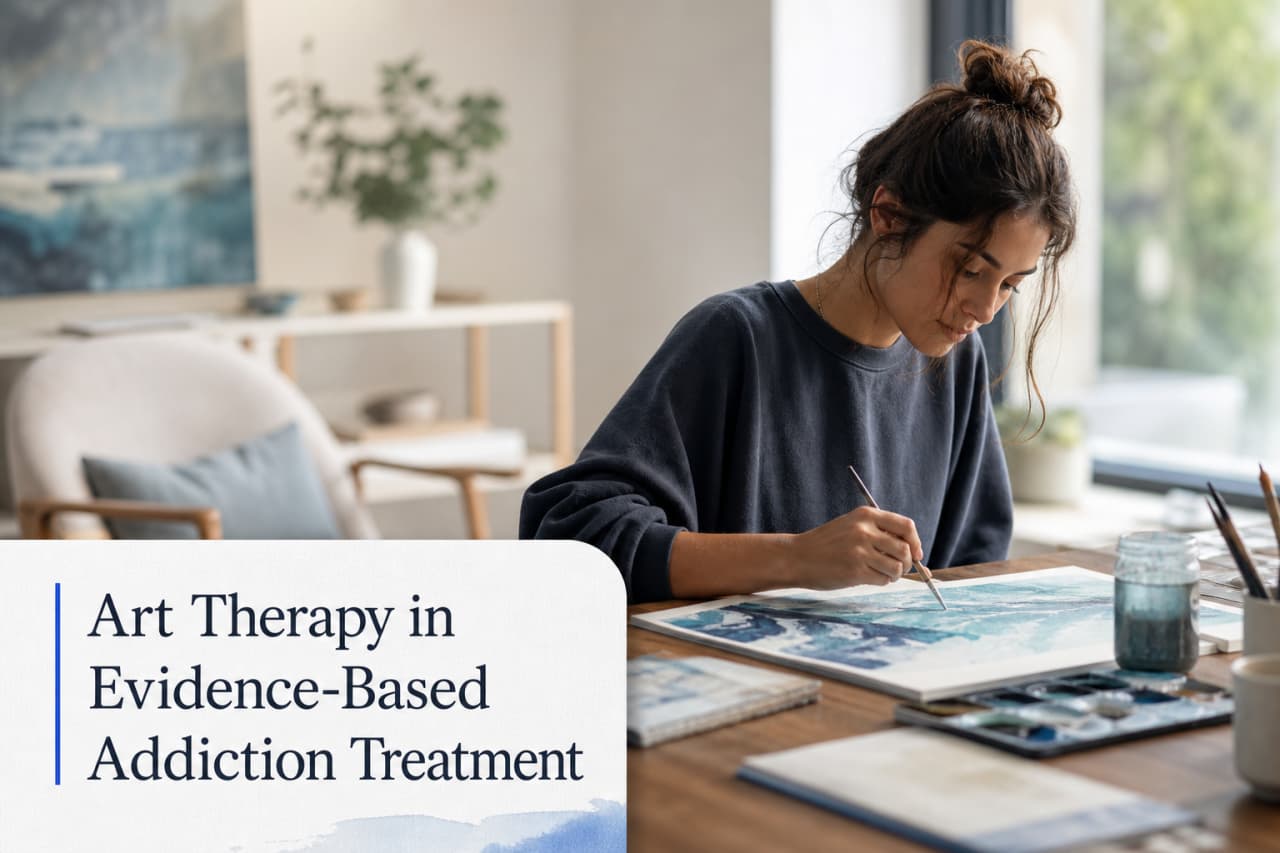
Therapies include individual work, group counseling, CBT, DBT, EMDR, trauma-informed care, family therapy when appropriate, life skills, relapse prevention, and supports such as yoga and art therapy. Joint Commission accreditation, California DHCS licensing, and LegitScript certification sit beside HIPAA privacy standards. Google reviews currently show a 4.8 rating across about seventy-five public reviews, which families can read as social proof while still completing their own clinical questions.
If you are still asking how do i help a family member find the right drug and alcohol rehab after comparing large campuses, the eight-patient model is a concrete differentiator. Clinicians know each history by name. Admissions can often move within twenty-four to forty-eight hours when clinically appropriate. Call (844) 598-5573 any time for a confidential conversation, or email info@faithrecoverybh.com. The team can discuss medical leave documentation and coordinate with work or school when needed.
Health Insurance, Cost, and How to Seek Treatment Smoothly
Health Insurance Verification Before Admission
Cost without insurance varies by length of stay, clinical intensity, and amenities, so honest programs refuse to invent a single sticker price online. Private pay is available. Many private PPO plans cover addiction treatment as an essential health benefit, and sometimes an entire stay is covered after benefits review. Faith Recovery works with many private PPO insurers and offers free, confidential verification before you commit.
Have a photo ID, insurance card, medication list, emergency contacts, and any prior medical or psychiatric records ready. Leave valuables, alcohol, illicit drugs, and non-prescribed medications at home. Bring comfortable clothing for a multi-week stay and prescribed medications in original bottles. Confirm packing details with admissions so the first day is orientation, not chaos.
National resources help when you need a second opinion or crisis backup. FindTreatment.gov is a federal treatment locator for substance use disorder and related recovery services across the United States. The SAMHSA national helpline offers free treatment referral and information. The 988 Suicide and Crisis Lifeline supports mental health emergencies. Disaster distress lines exist for community-level trauma, and Spanish-language callers can ask for ayuda de la línea nacional when they need bilingual guidance. Use these tools alongside a direct call to a vetted program rather than as a substitute for clinical assessment.
FindTreatment.gov listings can help you compare geography and services, but you still must verify accreditation and dual-diagnosis depth yourself. Pair FindTreatment.gov research with phone interviews. Note which treatment centers run true medical detox. Note which accept your plan. Then return to FindTreatment.gov only if you need alternate names after a waitlist. Families who treat FindTreatment.gov as a starting map, not a final verdict, make cleaner choices.
Family Support, Support Groups, and the Path to Recovery
Recovery Support After the First Yes
Faith Recovery Center’s family program includes education and therapy for relatives after admission. Family support does not end at drop-off. Visitation usually begins after initial stabilization, on a schedule set with the clinical team. Family therapy and education help relatives change communication patterns that once revolved around crisis. Aftercare planning should cover outpatient step-down, ongoing therapy, medication follow-up, and sober supports in the community.
Support groups for relatives, including Al-Anon and Nar-Anon, give peer recovery support when you need people who understand alcoholism or drug crises without judgment. They reduce isolation and teach coping skills while your family member is in a treatment program. Pair peer meetings with professional care for yourself if anxiety or depression rises under the strain.
What to expect after admission is structure plus rest. Assessment shapes a personalized treatment plan. Days include therapy blocks, medical check-ins, meals, and time to stabilize. Relapse after discharge is a risk to plan for, not a reason to abandon care. Modify home routines, remove unused prescriptions, and know which recovery services to call if warning signs return.
Root causes of addiction are rarely a single story. Genetics, trauma, chronic pain, social environment, and co-occurring mental health conditions all play roles. Quality treatment targets the whole picture with evidence-based practices rather than searching for one villain. Your job as a relative is not to diagnose the root alone. Your job is to help your loved ones reach clinicians who can.
Frequently Asked Questions About Helping a Family Member
Families bring the same frequently asked questions to admissions lines every week. The answers below keep the focus on action, accreditation, and realistic timelines so you can move from research to a call.
How do I verify if a rehab program is accredited and legitimate?
Ask for current Joint Commission behavioral health accreditation, state human services or health services licensing such as California DHCS, and independent certifications like LegitScript. Confirm the physical address matches a real licensed site. Speak with clinical leadership about staffing. Cross-check public complaint channels and avoid any treatment program that refuses to name licenses.
How long should a rehab program last to be effective?
Length is individualized. Medical detox often lasts about five to ten days. Residential care commonly runs thirty to ninety days. Outpatient PHP or IOP may continue one to three months or longer. Longer engagement with therapy and recovery support usually beats a rushed discharge when severity is high.
What is the success rate of different types of rehab programs?
No ethical clinic should sell a guaranteed cure rate. Addiction is a chronic, treatable condition. Compare programs on accreditation, dual-diagnosis capacity, evidence-based practices, aftercare, and whether the treatment plan is truly individualized. Those quality markers predict better odds than a glossy percentage.
How do I find programs that specialize in specific addictions?
Search for alcohol and drug expertise that matches the substances involved, including opioid treatment pathways, stimulant protocols, and careful benzo detox. Use FindTreatment.gov filters, then call and ask about medical staffing for that substance. Confirm the national helpline or admissions team can explain how withdrawal is managed for that drug class.
Are there support groups for families of people with drug addiction?
Yes. Al-Anon, Nar-Anon, and similar peer meetings exist specifically for relatives and friends. They complement professional family support and therapy. Many families use both a clinical family track inside a rehab facility and community support groups outside it.
What should I look for in a treatment philosophy?
Prefer programs that treat addiction as a medical and behavioral health condition, integrate mental health care, use evidence-based practices, and respect dignity. Avoid shame-based models and one-size-fits-all scripts. Ask how the team updates the treatment plan when progress stalls and how family therapy is used without blaming relatives for the disease.
If a loved one cannot see the problem yet, keep boundaries firm and keep options ready. Ambivalence is common. Multiple calm conversations are normal. When readiness appears, speed matters: verified insurance, a packed bag, and a bed at a trusted drug and alcohol program turn a fragile yes into real care.
Faith Recovery Center’s admissions team is available twenty-four seven at (844) 598-5573 for confidential guidance on how do i help a family member find the right drug and alcohol rehab in a setting built for privacy, clinical depth, and eight-patient attention. Verify benefits at no cost, ask what to expect on arrival, and take the next step when your family is ready to seek treatment with a team that already knows the continuum from detox through outpatient recovery support.
For federal locators and crisis backup, bookmark FindTreatment.gov, the SAMHSA National Helpline, the 988 Suicide & Crisis Lifeline, and Al-Anon for family peer support. Then pair those public tools with a direct clinical conversation so your research becomes an admission plan, not an endless tab of unread pages.