Families researching luxury rehab vs traditional care usually want one answer first: which setting gives a real shot at lasting recovery. At Faith Recovery Center in Beverly Hills, we start that conversation with clinical fit, not brochure photos. Amenities matter only when they help you stay engaged long enough for real addiction treatment to work.
Both luxury and traditional rehab centers can treat substance use disorders well. Both can fail when staffing is thin, plans are generic, or aftercare is an afterthought. The difference between luxury and standard models is less about whether therapy exists and more about privacy, ratio of attention, and how the healing environment supports hard work day after day.
This guide is for informational purposes only and is not medical advice. A confidential clinical assessment is still the right next step before you decide.
What All Rehab Centers Share Before You Compare
Credible rehab centers build around medical safety, licensed clinicians, and structured therapy. Joint Commission behavioral health standards and state licensing set that bar. Faith Recovery Center holds Joint Commission accreditation and California Department of Health Care Services licensing as baseline credentials before any amenity talk starts. Whether the campus feels institutional or residential, the clinical spine should look familiar.
Most drug rehab pathways include medical detox when physical dependence is present, then residential treatment or another level of inpatient treatment. Evidence-based therapies such as cognitive behavioral therapy and dialectical behavior therapy address thinking patterns, emotion regulation, and triggers. Group therapy, family work, relapse prevention, and aftercare planning round out the core. That spine is non-negotiable.
Multidisciplinary teams manage withdrawal and root causes together. Physicians, nurses, therapists, and recovery specialists collaborate in both traditional rehab and luxury rehab. SAMHSA’s national helpline and treatment locator remain useful public starting points when you are still mapping options.
Alcohol and drug programs also share a continuum mindset. Residential stays end. Outpatient step-down, community supports, and ongoing therapy sessions protect long-term sobriety after discharge. In rehab what often decides outcomes is continuity, not thread count.
Traditional rehab and luxury programs both treat alcohol addiction, opioid dependence, stimulant use, and co-occurring mental health disorders when they are equipped for dual diagnosis. The label on the building does not replace accreditation, licensing, or staff skill.
Luxury Rehab vs Traditional: Where the Models Diverge
Traditional rehab prioritizes structured clinical programming, peer community, and broader access. Living spaces are often shared or semi-private. Schedules run on group blocks. Cost structures lean toward insurance accessibility for many families comparing rehab options. Faith Recovery Center’s contrast is concrete: a maximum of eight patients in a private Beverly Hills manor, not a large shared floor.
While traditional centers lean on group counseling as a main engine of accountability, luxury rehab keeps those groups and adds private suites, quieter common spaces, and concierge-level hospitality. Luxury rehab still delivers standard clinical therapies. It wraps them in comfort privacy and discretion that executives and public-facing clients often need. Census shapes attention.
Luxury rehab in plain terms is a treatment facility that pairs full clinical programming with private accommodations, upscale dining, and a calmer residential feel. What defines a luxury rehab center is not a spa menu alone. It is licensed addiction treatment delivered with high-end amenities and lower census so staff can know each client by name.
Luxury centers commonly feature chef-prepared gourmet meals, fitness space, gardens, and recreational activities that reduce the stress of being away from home. Some marketing stacks fitness centers gourmet dining and spa language without proving clinical depth. That is why accreditations matter when you sort true clinical care luxury claims from hospitality-only stays.
Three broad types of rehab help frame the map: medical detox for supervised withdrawal, residential or inpatient immersion for full-time focus, and outpatient levels such as PHP and IOP for step-down or lower acuity. Luxury rehab and traditional rehab can offer any of those levels. The setting and staffing model change how the day feels.
Inpatient treatment removes everyday triggers so you can focus on detox, assessment, and therapy. That immersion helps many people with moderate to severe substance abuse. Luxury rehab may make the same immersion more comfortable for people who shut down in crowded wards. Comfort alone does not make care more effective. Engagement and completion do.
Luxury staffing usually differs on load. Luxury programs often keep lower client-to-clinician caseloads, which supports personalized attention and flexible schedules. Traditional rehab can still work well. Caseloads are simply higher in many community-scale models, so one-to-one minutes per day can shrink.
Clinical Care, Dual Diagnosis, and Mind-Body Therapies
Evidence-based therapies appear across quality drug rehab curricula. Luxury rehab often schedules more individual minutes and layers mind-body therapies such as yoga, mindfulness, nutrition support, and art therapy beside CBT and DBT. Alternative therapies do not replace clinical work. They help the whole person stay regulated enough to use it.
Dual diagnosis capacity is a real separator. Co-occurring mental health conditions such as anxiety, depression, PTSD, bipolar disorder, or ADHD frequently travel with substance abuse. Dual diagnosis treatment that integrates psychiatry into the same treatment plans beats parking mental health as a later referral.
Luxury rehabs do not deliver better dual-diagnosis care by default. Quality depends on having a psychiatrist on the team, assessment on arrival, and medication management woven through residential treatment. Many traditional centers also do this well. Luxury addiction settings market personalized care more loudly because census is smaller and schedules bend more easily.
Medical detox protocols should follow clinical need, not décor. Alcohol detox and benzodiazepine withdrawal can be medically dangerous and require 24/7 monitoring in any reputable treatment center. Luxury rehab may feel calmer during withdrawal, with private rooms and continuous nursing presence. Full protocol still means physician oversight, vital signs, and safe medication support.
Complex chronic medical conditions need honest triage. Some luxury rehab campuses coordinate specialty visits and on-site medical staff more readily because of boutique scale. Others are hospitality-first. Ask who is on call overnight, how medications are managed, and when a hospital transfer is used. Those answers matter more than marble counters.
Family therapy intensity varies by program design rather than by price tier alone. Some traditional rehab tracks run weekly multi-family groups. Some luxury programs add private family sessions once stabilization allows. Frequency should match clinical need and safety, including boundaries after repeated relapse.
Relapse history should influence level of care and structure. Multiple prior attempts often signal need for longer residential treatment, tighter dual diagnosis work, and stronger aftercare, whether you choose luxury rehab or a traditional path. Amenities do not erase the need for deeper clinical care when prior plans failed.
Combining evidence-based care with whole person supports is widely presented as stronger than either stream alone. Therapy CBT skills, trauma work such as EMDR when indicated, and body-based practices can reinforce one another inside one plan. NIDA’s principles of effective treatment stress matching services to the person, not the brochure category.
How Faith Recovery Center Delivers Luxury Addiction Treatment
Faith Recovery Center is a physician-led luxury rehab in a private Beverly Hills manor, licensed by the California Department of Health Care Services and accredited by The Joint Commission. We are also LegitScript certified. Despite our name, we are not a denomination-specific faith program. The name points to hope and renewal. Treatment stays clinically grounded.
We keep a maximum of eight patients at a time. That census is by design. It creates an environment where clinicians know histories, goals, and risks without guessing. Care planning is not a slogan when the team can adjust therapy sessions the same week a symptom pattern shifts.
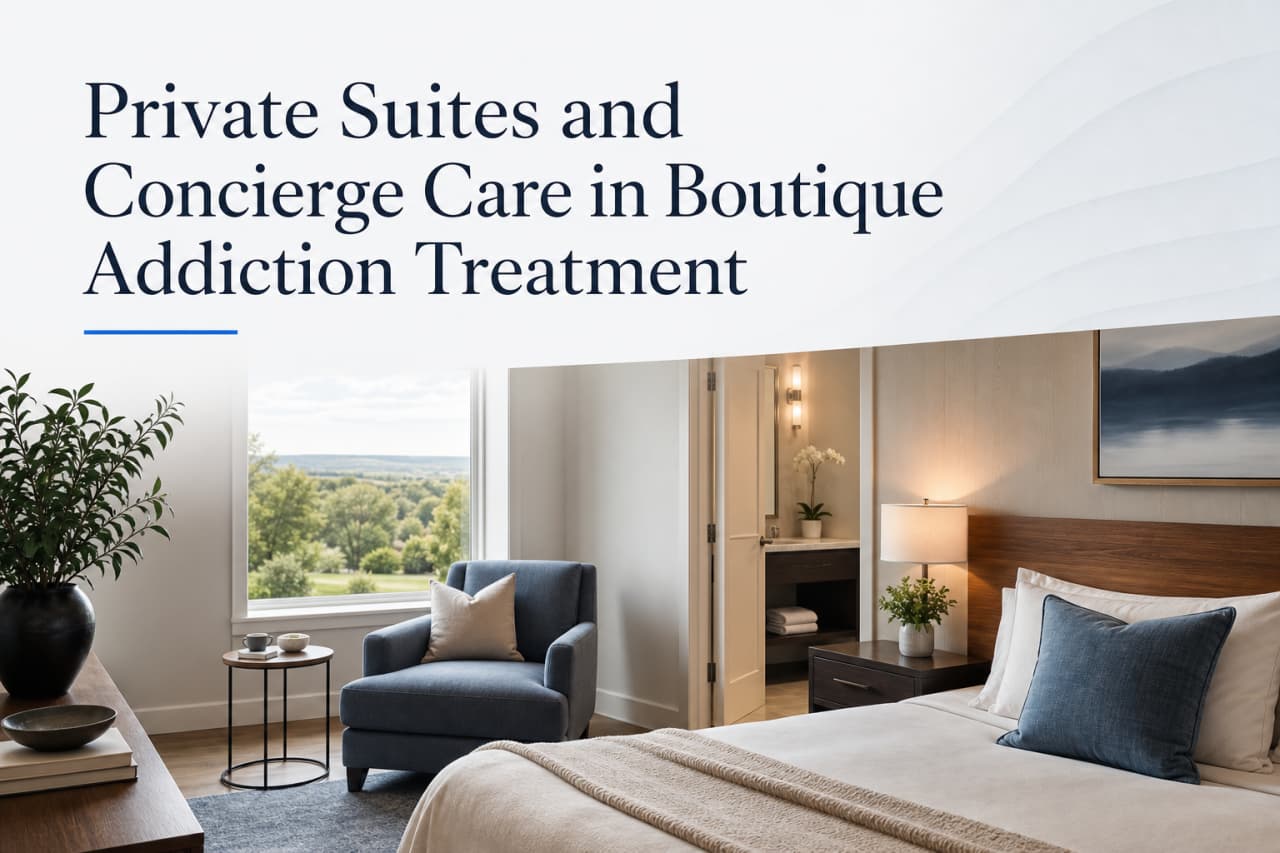
Private suites and private bathrooms are standard. Chef-curated gourmet meals meet dietary needs. Pool, gardens, on-site fitness, and outdoor lounge space support a healing environment that feels like a home, not a corridor. Luxurious amenities sit beside 24/7 clinical and medical support.
Our continuum under one roof includes medical detox, residential treatment, medication-assisted treatment when indicated, partial hospitalization, intensive outpatient, outpatient care, and aftercare planning. Dr. Jason Giles oversees medical and detox protocols. Dr. Julio Meza integrates psychiatric dual diagnosis work for co-occurring conditions.
Daily programming blends individual psychotherapy, group sessions, CBT, DBT, EMDR, family therapy when appropriate, life skills, and mind-body therapies including yoga, mindfulness, and art therapy. Relapse prevention planning starts before discharge so the path to recovery continues after you leave the estate.
We work with many private PPO insurance plans, including Aetna, Anthem, Blue Cross Blue Shield, Cigna, UnitedHealthcare, Optum, Humana, and Highmark. Families can verify insurance at no cost before committing. Coverage varies by plan and clinical need. Sometimes a full stay is covered. Private pay remains an option when benefits are limited.
Executives sometimes ask whether remote work can continue during a stay. Clinical stability comes first. When appropriate, our team can discuss limited coordination of essential responsibilities and medical leave documentation. Immersive inpatient treatment still means primary focus on recovery, not a full office day from a suite.
Choosing Rehab Options for Long-Term Recovery
Faith Recovery Center caps census at eight patients and holds Joint Commission accreditation in Beverly Hills. Match the model to privacy needs, budget, home support, work flexibility, and preference for mind-body supports versus purely group-heavy structure. Traditional rehab can be the right clinical home when community peer support and insurance access are the priority. Luxury treatment can be the better fit when discretion, private living, and closer staff attention keep someone in care.
Outcomes still hinge on treatment quality, staff expertise, continuity, and personal commitment more than chandeliers. A supportive environment helps you show up for difficult sessions. It does not replace them. Both traditional models and luxury rehab succeed when plans fit the person and aftercare is real.
Watch for cost surprises when comparing luxury programs. Ask what is included in the daily rate: specialty labs, family travel, extended stays, private duty nursing, off-site appointments, or premium alternative therapies. Transparent admissions teams list inclusions before arrival so hidden fees do not land mid-stay.
Accreditations that separate clinical luxury addiction programs from spa-like facilities include Joint Commission behavioral health standards, state licensing such as California DHCS, and ethical certifications like LegitScript. Ask who provides overnight medical coverage and how substance abuse treatment plans are documented and reviewed.
Across alcohol rehab and drug addiction care, the shared goal is the same: help you recover from addiction with skills that hold after discharge. Long-term recovery grows from completed levels of care, honest family work, and a plan you can actually live. In rehab what you practice daily becomes the foundation for long-term sobriety.
If privacy, boutique census, and integrated psychiatry matter, luxury rehab at a single licensed estate may fit. If you need maximum peer density and the lowest possible out-of-pocket cost, traditional centers may fit better. Either way, demand evidence-based therapies, clear medical detox capability when needed, and a written aftercare path.
Frequently Asked Questions
What is luxury rehab, and how does luxury rehab vs traditional care differ day to day?
Luxury rehab is licensed addiction treatment delivered in a private, high-amenity setting with lower census and more flexible schedules built around each client. Day to day, you still attend therapy and groups. Living space, dining, and staff access feel quieter and more personal than many traditional rehab floors.
Are medical detox and dual diagnosis stronger in luxury rehab?
Protocols should meet full clinical standards wherever you go if dependence or co-occurring illness is present. Luxury rehab can make monitoring more private and responsive when 24/7 medical staff and on-team psychiatry are truly in place. Always verify those resources rather than assuming the word luxury guarantees them.
How should relapse history shape luxury and traditional choices?
Repeated relapse usually calls for deeper assessment, longer residential treatment, and tighter dual diagnosis work. Choose the environment where you will complete the full plan. For some people that is a discreet luxury rehab. For others it is a structured traditional community with strong peer accountability.
What fees surprise families comparing luxury rehab options?
Surprises often include extended length of stay, specialty labs, family program travel, private nursing, or add-on wellness services. Ask for a written inclusions list and complete a benefits check on your insurance plans before arrival so clinical care and cost stay aligned.
Is luxury rehab more effective than traditional rehab for lasting recovery?
Not by label alone. Care is more effective when it matches severity, treats co-occurring mental health conditions, and keeps you engaged through discharge and aftercare. Luxury settings may improve retention for people who need comfort and privacy to stay. Traditional rehab may be equally strong when clinical quality is high.
Can I keep working, and how do therapist ratios compare?
Limited remote work is sometimes discussed after stabilization in boutique programs, but treatment remains the priority. Luxury programs typically offer closer clinician access through smaller census. Traditional rehab ratios vary widely. Ask each treatment center for current caseload norms rather than relying on marketing language.
If you are ready to talk through next steps, contact our team about medical detox, residential care, and outpatient step-down at Faith Recovery Center. Call (844) 598-5573 anytime for a confidential conversation, or reach us through our contact page to verify insurance and discuss the path to recovery that fits your needs.
You can also review Joint Commission’s public materials on behavioral health quality standards at jointcommission.org when you compare any abuse treatment provider. Bring questions about clinical care, family involvement, and aftercare. We will answer them directly and without pressure.