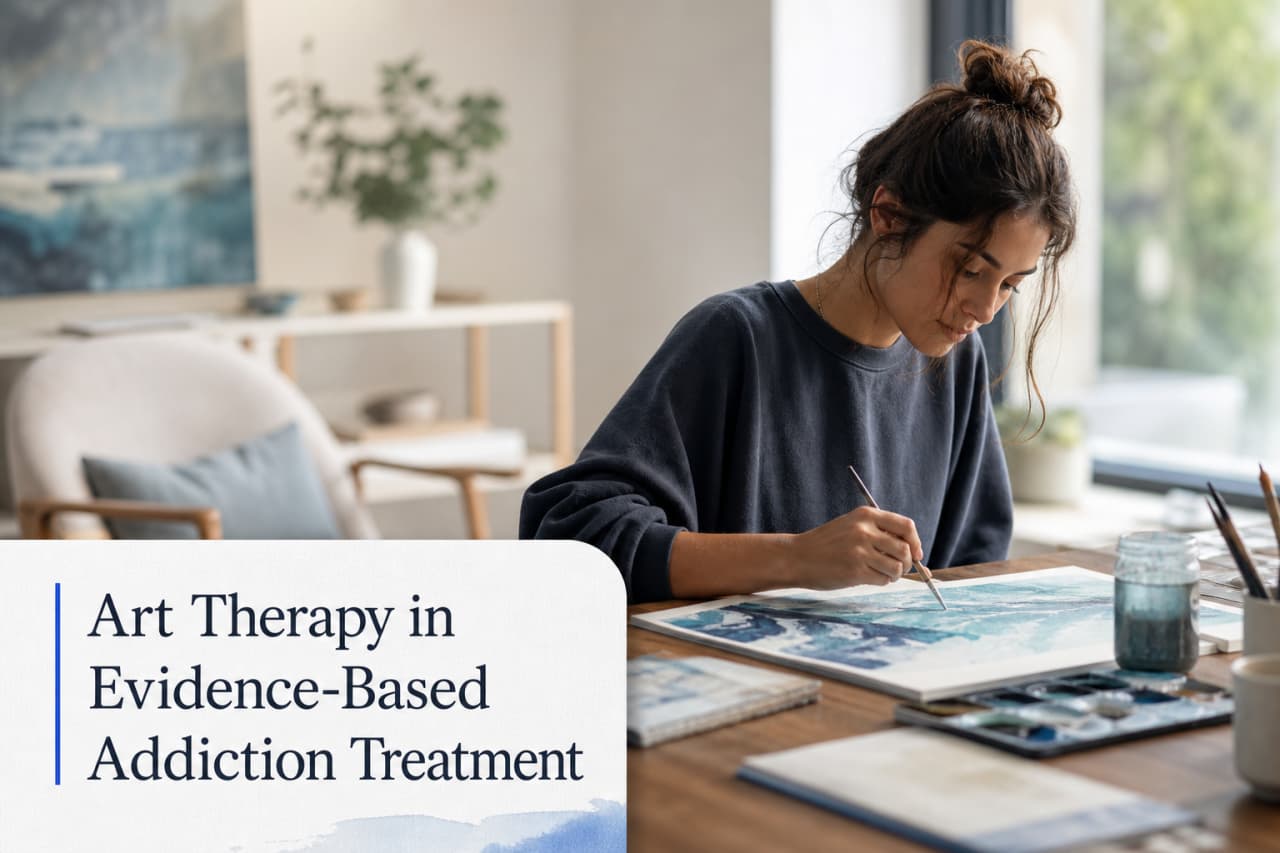
A person entering residential rehab can expect to spend every hour on-site, surrounded by peers and staff who understand substance use and mental health challenges. The environment is structured—meals, therapy, activities, and rest all have set times. This routine helps people break old habits and focus fully on recovery. Unlike outpatient treatment, there’s no going home at night. The center removes daily distractions and triggers, giving you a safe place to heal.
What Happens During Your First Day: Intake and Assessment
Your arrival at an inpatient rehab program begins with a detailed intake assessment. Clinical staff conduct a thorough evaluation covering your medical history, current medications, mental health status, substance use patterns, family background, and recovery goals. This assessment determines your appropriate level of care, identifies any co-occurring disorders, and informs your personalized treatment plan.
You'll meet your treatment team—typically a physician, therapist, nurse, and case manager—who will explain program rules, daily schedules, and what to expect over the coming weeks. If you have physical dependence on alcohol, benzodiazepines, or opioids, medical detox may begin immediately under professional supervision to manage withdrawal symptoms safely.
Intake also includes a tour of the facility, introduction to your roommate or private room, and orientation to meal times, therapy schedules, and community guidelines. You'll be asked to surrender items that could interfere with recovery—phones, alcohol, drugs, or weapons—though most programs allow limited phone calls and internet access at designated times.
The Morning Routine: Building Healthy Habits
Most inpatient programs start the day between 6:00 and 7:00 a.m. with a wake-up call and breakfast. Before meals, many facilities offer optional mindfulness practices such as meditation, yoga, or breathing exercises to ground residents and reduce morning anxiety. These practices help reset your nervous system and establish healthy coping tools you'll use long-term.
Breakfast is a communal meal where residents eat together in a dining hall. Nutrition is a deliberate part of inpatient treatment—many people in early recovery have depleted their bodies through substance use, so programs prioritize balanced meals to restore physical health. After breakfast, residents may have free time to journal, exercise, or prepare for the day's therapy sessions.
Morning activities often include educational lectures on topics like the neurobiology of addiction, relapse warning signs, or coping strategies. These sessions teach you the science behind your addiction and introduce evidence-based tools for long-term sobriety. Group attendance is mandatory, and participation is tracked as part of your treatment progress.
Medical Detox and Withdrawal Management
If you're entering inpatient rehab with physical dependence, medical detox is typically the first phase of treatment. Clinical staff monitor your vital signs—heart rate, blood pressure, temperature—and assess withdrawal symptoms every few hours. Depending on the substance and severity of dependence, you may receive medications to ease withdrawal discomfort and prevent dangerous complications.
Alcohol withdrawal can cause seizures or delirium tremens, so medical supervision is critical. Opioid withdrawal, while rarely life-threatening, causes severe physical discomfort; medication-assisted treatment using buprenorphine or methadone can reduce cravings and withdrawal pain. Benzodiazepine withdrawal requires careful tapering under medical guidance to prevent seizures.
During detox, you'll spend more time resting and less time in intensive therapy. Medical staff focus on stabilization. Once acute withdrawal subsides, typically within 3–7 days depending on the substance, you transition into the behavioral therapy phase of inpatient treatment.
Afternoon Therapy: Individual Counseling and Behavioral Work
Afternoons center on individual therapy sessions, typically one-on-one with a licensed counselor or therapist. These sessions explore your personal triggers, trauma history, family dynamics, and the underlying causes of your substance use. Behavioral therapy approaches like cognitive behavioral therapy (CBT) teach you to recognize thought patterns that lead to cravings and practice alternative responses.
Your therapist helps you develop a relapse prevention plan by identifying high-risk situations and building coping strategies specific to your life. If you have co-occurring mental health conditions—depression, anxiety, PTSD, or bipolar disorder—your treatment plan includes mental health care along with addiction treatment. Dual diagnosis treatment addresses both conditions at the same time.
Individual therapy sessions typically last 45–60 minutes and occur 3–5 times per week, depending on your treatment level. Between sessions, you may work on homework assignments such as journaling about triggers, writing letters to loved ones, or completing worksheets on coping skills.
Group Therapy: Peer Connection and Shared Experience
Group therapy sessions bring 8–15 residents together with a therapist to share experiences, discuss challenges, and practice interpersonal skills. These sessions reduce the isolation many people feel in addiction and create accountability—hearing others' stories often mirrors your own struggles and shows you're not alone. Peer support is one of the most helpful tools in inpatient rehab.
Group formats vary. Some sessions focus on specific topics like anger management, family relationships, or financial recovery. Others are open-ended, allowing residents to bring current struggles to the group. Participation is expected; listening and offering feedback to peers is part of your own recovery work.
Many programs incorporate 12-step meetings or SMART Recovery sessions as part of group therapy. These peer-led support groups teach relapse prevention strategies and connect you to a recovery community you can access after discharge. Attending support groups during inpatient treatment prepares you for long-term recovery maintenance.
Skill-Building Workshops and Life Skills Training
Throughout the week, inpatient programs offer workshops on practical life skills needed for sustained recovery. Topics include stress management, communication, financial planning, job search skills, and healthy relationship boundaries. These workshops teach concrete tools you'll use to rebuild your life after discharge.
Cognitive behavioral therapy workshops teach you to recognize automatic negative thoughts and replace them with balanced thinking. Mindfulness and meditation classes provide stress-reduction techniques. Nutrition and fitness workshops address physical health recovery. Art therapy, music therapy, or expressive writing sessions offer creative outlets for processing emotions.
Life skills training is especially important if addiction disrupted your education, employment, or family responsibilities. Programs may offer resume writing, interview preparation, or parenting classes to help you rebuild these areas of your life.
Evening Activities and Free Time
Evenings typically include dinner, peer-support meetings, and scheduled free time. Many programs hold 12-step meetings or other recovery-focused groups in the evening when residents have completed their therapy work. These meetings reinforce recovery principles and build connections with peers who share your commitment to sobriety.
Free time is intentionally structured to help you practice self-care and new coping tools. You might journal about your day, exercise in the facility gym, read recovery literature, or engage in hobbies like art, music, or writing. Some programs allow limited phone calls to family members at designated times, which helps maintain relationships while you focus on recovery.
Recreational activities—basketball, hiking, board games, or movie nights, build community and provide healthy stress relief. These activities show you that enjoyment and social connection are possible in sobriety.
How Inpatient Rehab Addresses Dual Diagnosis and Co-Occurring Disorders
Many people entering inpatient rehab have co-occurring mental health disorders alongside substance use, depression, anxiety, PTSD, bipolar disorder, or personality disorders. Dual diagnosis treatment brings together care for both conditions. Your psychiatrist may prescribe medications to stabilize mood or anxiety while you work on addiction recovery in therapy.
Individual therapy explores how your mental health condition and substance use interact. For example, if you have depression, you may have used alcohol to self-medicate low mood; treatment addresses both the depression and the maladaptive coping pattern. If you have PTSD, trauma-focused therapy helps you process traumatic memories while building non-substance coping skills.
Group therapy in dual diagnosis programs includes peers with similar co-occurring conditions, normalizing the experience and reducing shame. Medication management is a key component. Psychiatrists monitor your response to medications and adjust as needed to support both mental health stability and addiction recovery.
Faith Recovery's Integrated Approach to Inpatient Treatment
Faith Recovery provides inpatient rehab programs that bring together medical detox, individual therapy, group counseling, and mental health care for people with substance use disorders and co-occurring conditions. Our treatment model uses evidence-based behavioral therapy and a supportive community environment to address the physical, psychological, and spiritual sides of recovery.
Our inpatient program offers 24-hour medical supervision. This allows for safe management of withdrawal symptoms and close monitoring of any underlying health conditions. Each resident receives a treatment plan developed during intake assessment, with therapy sessions matched to your specific triggers, trauma history, and recovery goals. We address dual diagnosis cases with integrated psychiatry and counseling. Mental health conditions are treated with the same focus as substance use.
The daily structure at Faith Recovery balances intensive therapy with skill-building workshops, peer support, and recreational activities. Our treatment team includes physicians, licensed therapists, nurses, and peer specialists who provide continuous support. We emphasize aftercare planning from day one. Discharge planning starts early so you’re prepared for the next phase.
What to Expect During Withdrawal and Medical Detox
Withdrawal symptoms vary by substance and severity of dependence. Alcohol withdrawal typically begins 6–24 hours after the last drink and may include tremors, sweating, anxiety, and in severe cases, seizures. Medical staff monitor for these complications and may administer medications like benzodiazepines to prevent seizures and ease discomfort.
Opioid withdrawal causes intense physical discomfort, muscle aches, sweating, nausea, insomnia, but is rarely life-threatening. Medication-assisted treatment using buprenorphine or methadone significantly reduces withdrawal symptoms and cravings. Stimulant withdrawal (cocaine, methamphetamine) causes depression, fatigue, and intense cravings but no dangerous medical complications; treatment focuses on managing mood and preventing relapse.
During detox, you'll spend more time resting and less time in group activities. Medical staff check vital signs regularly and adjust medications as needed. Once acute withdrawal subsides, typically 3–7 days, you transition into intensive behavioral therapy, group sessions, and skill-building workshops.
Rules, Structure, and What Happens If You Break Them
Inpatient programs maintain clear rules to create a safe, structured environment. Common rules include no drugs or alcohol on premises, no weapons, limited phone and internet access, mandatory attendance at therapy and groups, and respect for other residents' privacy and boundaries. These rules aren't punitive. They protect the community and your recovery.
If you violate program rules, consequences typically escalate. A first minor infraction might result in a conversation with staff or loss of privileges like phone time. Serious violations, bringing drugs into the facility, violence, or repeated rule-breaking, may result in discharge from the program. Most programs give residents a chance to correct behavior before discharge. Safety is always the priority.
You have the right to leave inpatient rehab at any time, though most programs ask you to sign an acknowledgment that you're leaving against medical advice. Early departure significantly reduces your chances of long-term sobriety. Research shows that completing the full treatment course leads to better outcomes than leaving early. If you’re having trouble with the program, talk to your therapist or case manager about adjusting your treatment plan.
Aftercare Planning and Transition to Outpatient Treatment
Aftercare planning begins during your inpatient stay, not after discharge. Your treatment team helps you identify ongoing support needs and develop a plan for continued recovery. This might include outpatient therapy, intensive outpatient programs (IOP), partial hospitalization, support group meetings, or medication-assisted treatment.
Before discharge, you'll meet with your case manager to schedule your first outpatient appointment, ensure you have prescriptions filled, and identify local support groups in your area. Many programs provide a written relapse prevention plan that outlines your triggers, warning signs, coping strategies, and emergency contacts. This document becomes your roadmap for maintaining recovery after you leave.
The transition from inpatient to outpatient treatment is a turning point. This is when relapse risk is highest. Strong aftercare planning, ongoing therapy, and peer support can make all the difference for long-term sobriety. Many people benefit from intensive outpatient programs that provide 9–20 hours of therapy per week while allowing you to live at home and maintain work or school.
Success Rates and What Determines Long-Term Recovery
Success rates for inpatient rehab vary depending on how success is measured: abstinence, reduced use, improved mental health, employment, or family relationships. Research shows that inpatient treatment is effective for people with severe addiction, co-occurring mental health disorders, or multiple failed attempts at outpatient treatment. Completion of the full treatment course is a strong predictor of better outcomes than early discharge.
Factors that improve success include strong motivation for change, family support, engagement in aftercare, and treatment of co-occurring mental health conditions. People who continue therapy, attend support groups, and build a recovery community after inpatient treatment have a better chance at long-term outcomes than those who don't.
Relapse is common in early recovery. It doesn't mean treatment failed. Many people cycle through multiple treatment episodes before achieving sustained sobriety. Each treatment experience builds skills and self-awareness that increase your chances of success in the future. The goal of inpatient rehab is to give you tools, support, and a foundation for long-term recovery, not to guarantee permanent sobriety.
Inpatient vs. Outpatient Treatment: When Each Is Appropriate
Inpatient rehab is typically recommended for people with severe addiction, medical complications, co-occurring mental health disorders, or unsuccessful prior attempts at outpatient treatment. The 24-hour structure, medical supervision, and removal from environmental triggers make inpatient treatment more intensive and effective for complex cases.
Outpatient treatment works well for people with mild to moderate addiction, stable housing, strong family support, and ongoing work or school responsibilities. Intensive outpatient programs (IOP) provide 9–20 hours of therapy per week while allowing you to live at home. Partial hospitalization programs (PHP) offer daytime treatment similar to inpatient care but allow you to return home each evening.
Many people benefit from starting with inpatient treatment for stabilization and intensive therapy, then transitioning to intensive outpatient or partial hospitalization for continued support. This stepped approach provides intensive care when you need it most, then gradually reduces structure as you build recovery skills and stability.
Practical Considerations: Cost, Insurance, and What to Pack
Inpatient rehab costs vary depending on facility type, location, and length of stay. Without insurance, costs can range from several thousand dollars to much more for a 28–30 day program. Many programs offer sliding scale fees based on income, payment plans, or financial assistance programs.
Most insurance plans cover inpatient rehab under the Affordable Care Act, which mandates coverage for substance use disorder treatment as an essential health benefit. Your insurance company will verify coverage and determine your out-of-pocket costs. Call your insurance provider before admission to understand your benefits, copays, and any authorization requirements.
When packing for inpatient rehab, bring comfortable clothing suitable for therapy and exercise, toiletries, prescription medications in original bottles, and any important documents (insurance cards, ID). Most programs prohibit phones, computers, and valuables; check your facility's specific packing list. You won't need much. The program provides structure, meals, and activities.
FAQ: Common Questions About Inpatient Drug and Alcohol Rehab
What is a typical day in drug rehab like?
A typical day starts with wake-up around 6–7 a.m., followed by breakfast and optional mindfulness practices. Morning includes educational lectures or group activities. Afternoons center on individual therapy sessions and skill-building workshops. Evenings include dinner, peer-support meetings, and free time for reflection or recreation. Bedtime is typically 9–10 p.m. The structured schedule builds healthy habits and reduces uncertainty.
What should you pack for inpatient drug and alcohol rehab?
Pack comfortable clothing for therapy and exercise, toiletries, prescription medications in original bottles, and important documents like insurance cards and ID. Most programs prohibit phones, computers, weapons, and valuables. Check your facility's specific packing list before arrival. You won't need much. The program provides meals, activities, and a structured environment.
What happens after you complete inpatient drug and alcohol rehab?
After discharge, you transition to outpatient treatment, intensive outpatient programs, or support group meetings based on your aftercare plan. Your treatment team schedules your first outpatient appointment before you leave and provides a written relapse prevention plan. Continuing therapy, attending support groups, and building a recovery community are important for maintaining long-term sobriety.
Can you leave inpatient rehab early and what are the consequences?
You have the legal right to leave inpatient rehab at any time, though most programs ask you to sign an acknowledgment that you're leaving against medical advice. Early departure significantly reduces your chances of long-term sobriety. Completing the full treatment course leads to better outcomes. If you're struggling, talk to your therapist about adjusting your treatment plan rather than leaving.
Do inpatient rehab programs allow phone calls and internet access?
Most inpatient programs allow limited phone calls at designated times, typically 15–30 minutes per day after the first few days. Internet access is usually restricted or prohibited to minimize contact with people or environments that could trigger relapse. Some programs allow email or monitored video calls with family. Check your facility's specific communication policy before admission.
What happens if you break rules during inpatient drug rehab?
Minor rule violations typically result in loss of privileges like phone time or a conversation with staff. Serious violations, bringing drugs into the facility, violence, or repeated rule-breaking, may result in discharge. Most programs give residents a chance to correct behavior before discharge. Safety is always the priority. Rules exist to create a safe, structured environment.
How do inpatient rehab programs handle co-occurring mental health disorders?
Inpatient programs address co-occurring mental health conditions through integrated treatment. Psychiatry, individual therapy, and group counseling address both addiction and mental health at the same time. Your psychiatrist may prescribe medications to stabilize mood or anxiety. Therapy explores how your mental health condition and substance use interact, helping you develop non-substance coping skills for both.
What is the success rate of inpatient drug and alcohol rehab?
Success rates vary depending on how success is measured and individual factors like motivation, family support, and aftercare engagement. Research shows inpatient treatment is effective for severe addiction and co-occurring disorders. Completion of the full treatment course and continued engagement in aftercare, therapy, support groups, medication-assisted treatment, can improve long-term outcomes.
Are inpatient rehab programs effective for dual diagnosis patients?
Yes, inpatient rehab is particularly effective for dual diagnosis patients because it provides integrated treatment for both substance use and mental health conditions. The 24-hour structure allows medical monitoring and medication management. Individual therapy addresses how your conditions interact. Group therapy connects you with peers who understand co-occurring disorders. This integrated approach leads to better outcomes than treating conditions separately.
How does inpatient rehab differ from outpatient treatment outcomes?
Inpatient treatment typically produces better outcomes for severe addiction, co-occurring mental health disorders, and people with multiple failed attempts at outpatient treatment. The 24-hour structure, medical supervision, and removal from triggers provide more intensive intervention. Outpatient treatment works well for mild to moderate addiction with strong support systems. Many people benefit from starting with inpatient treatment, then transitioning to intensive outpatient care.
What is the typical cost of inpatient rehab without insurance coverage?
Without insurance, inpatient rehab can cost several thousand to tens of thousands of dollars for a 28–30 day program, depending on facility type and location. Many programs offer sliding scale fees based on income, payment plans, or financial assistance. If you have insurance, most plans cover inpatient treatment under the Affordable Care Act. Contact your insurance provider to verify coverage and understand your out-of-pocket costs.
Why is inpatient alcohol rehab the choice for me?
Inpatient alcohol rehab is appropriate if you have severe alcohol dependence, medical complications like liver disease, co-occurring mental health disorders, or unsuccessful prior attempts at outpatient treatment. The 24-hour medical supervision allows safe management of alcohol withdrawal, which can be dangerous. The structured environment removes you from triggers and provides intensive therapy. If you're uncertain whether inpatient treatment is right for you, contact a treatment provider to discuss your specific situation.
Who is inpatient alcohol rehab for?
Inpatient alcohol rehab is for people with severe alcohol dependence, medical or psychiatric complications, co-occurring mental health disorders, or unsuccessful prior attempts at outpatient treatment. It's also appropriate for people in early recovery who need intensive support and structure. Young adults, older adults, and people from all backgrounds can benefit from inpatient treatment. If you're unsure whether inpatient treatment is appropriate for your situation, speak with a treatment professional.
Taking the Next Step Toward Recovery
Inpatient drug and alcohol rehab provides a structured, supportive environment where you can address substance use and co-occurring mental health conditions with professional guidance and peer support. The daily routine, from medical detox through therapy, skill-building, and aftercare planning, is designed to give you tools and confidence for long-term sobriety.
If you're considering inpatient treatment, contact Faith Recovery to discuss your situation with a treatment specialist. We can answer your questions about our programs, help you understand insurance coverage, and determine whether inpatient rehab is the right level of care for you. Recovery is possible. The first step is reaching out for help.