
Blog
October 14, 20268 min read
Executive Privacy in Luxury Addiction Treatment
Executive privacy rehab explained: confidentiality layers, work access, legal protections, and a vetting checklist before you choose a program.
Faith RecoveryRead
4.8 · 75 Google Reviews · Beverly Hills
Many clients at Faith Recovery Center are admitted within 24 to 48 hours of a first call, so the conversation with family often happens fast.
Faith Recovery
Editorial Team
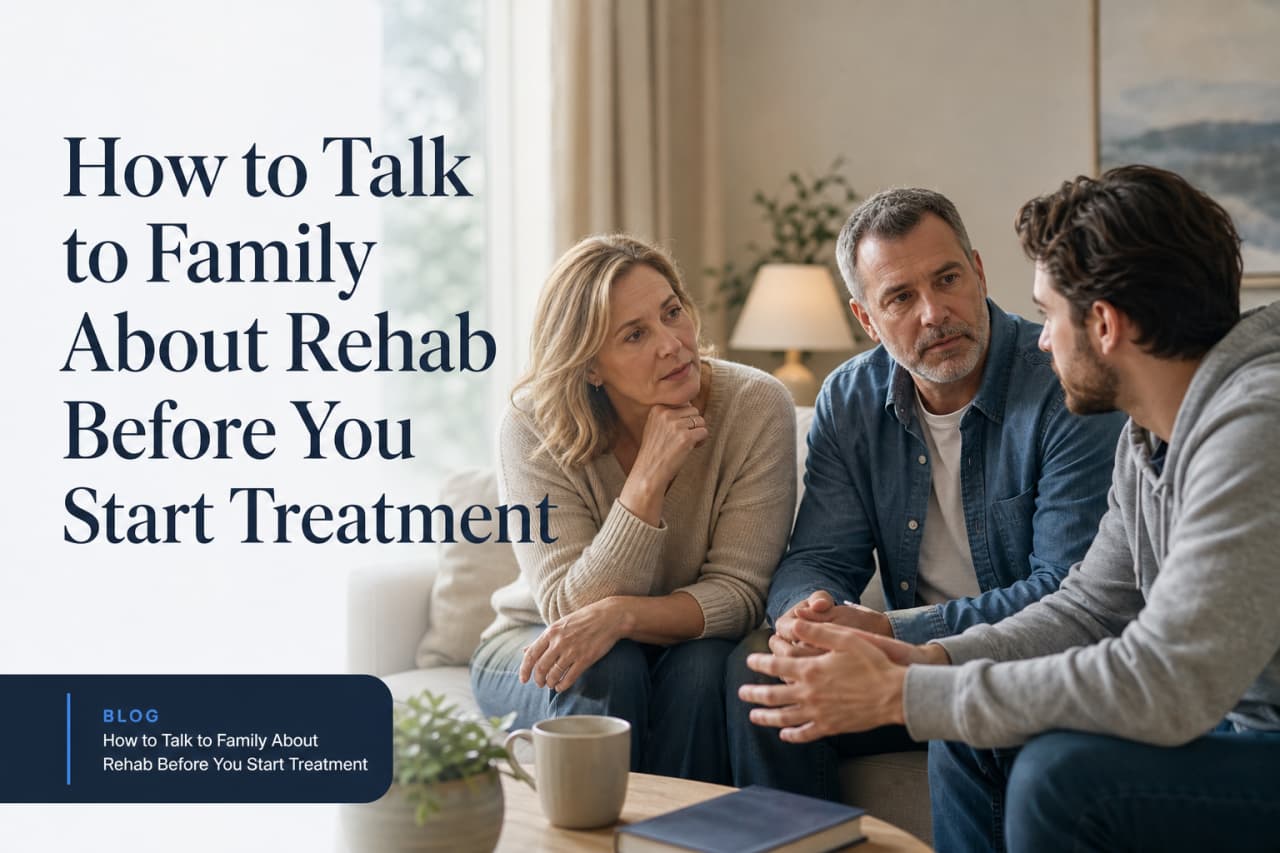
Many clients at Faith Recovery Center are admitted within 24 to 48 hours of a first call, so the conversation with family often happens fast.
Many clients at Faith Recovery Center are admitted within 24 to 48 hours of their first call, which means the conversation at home often happens on a shorter timeline than people expect. If you need to talk to family about rehab, you do not need a speech, a perfect moment, or agreement from everyone in the house. You need a few clear sentences and a private hour. Our admissions team hears from people at every stage of this talk, from those who have told no one to relatives calling on a loved one's behalf.
Secrecy costs energy that early recovery needs. When the people closest to you know what is happening, they stop guessing about behavior they have already noticed and may have misread. They can also help with practical needs, such as rides to appointments, childcare, or adjusting household responsibilities around treatment (source).
Fear of judgment is normal, and stigma around drug or alcohol use is real. Even so, a substance use disorder is a treatable health condition, not a moral failing. Framing it that way gives you language that has nothing to do with shame, and it tends to lower the temperature in the room. Focus on specific behaviors and changes you have seen in your health, relationships, and responsibilities, and avoid labels like "addict" for yourself or anyone else (source) (source) (source).
Write down three or four sentences rather than a script. Keep the focus on the decision in front of you instead of a full history of your drinking or drug use. If you are not sure yet which level of care fits, Faith Recovery Center admissions can walk you through the options at (844) 598-5573 before you say a word to anyone at home. The national SAMHSA helpline, 1-800-662-HELP (4357), is another free, confidential, 24/7 option for individuals and families (https://www.samhsa.gov/find-help/helplines/national-helpline) (source).
Pick the one thing you most need them to hear. For many people that is some version of "I have a problem, I have decided to get help, and here is the plan." If you already know your path, for example medical detox followed by residential care, say so. A concrete plan calms people faster than reassurance does.
Choose a private space and a time when nobody has to leave in twenty minutes. Avoid holidays, crowded dinners, arguments already in progress, and any moment when you or they have been drinking. Leave space afterward for questions, silence, or a walk. Urgency matters, but a rushed talk in a parking lot usually goes worse than one held the next evening (source) (source) (source) (source).
Open with the decision, then the reason. Saying "I'm going to rehab next week because my drinking has gotten out of control" gives them the headline before their minds start racing. Because many of our clients are admitted within 24 to 48 hours of the first call, a start date that close is realistic to share.
Honesty does not require disclosing every detail. You can own the harm your use caused without accepting every accusation made in the heat of the moment. Saying "You're right that I missed a lot, and I'm sorry" takes responsibility. You do not have to agree that you ruined the family (source) (source).
Family support works best when it is specific. You might ask someone to drive you to admissions, check on your apartment, keep alcohol out of the house when you return, or join family therapy. A small, achievable ask gives relatives something to do with their worry (source).
It is reasonable to decide who else gets told and which details stay private. Say it directly, something like "I'm telling you and Dad. Please don't share this with the cousins yet." Faith Recovery Center is HIPAA compliant, so your health information is not shared without your explicit consent except as required by law.
Use three criteria to set the order. First, who is most likely to respond calmly. Second, who is most affected by your absence. Third, who can wait. A supportive sibling can help you rehearse and sit beside you when you tell a parent who may react harder. Spouses and partners usually need to hear early because your absence changes their daily routine, finances, and parenting load (source).
Young children need a short, age-appropriate version. Something like "Mom is sick and is going somewhere to get better, and it's not your fault" covers what they need. Extended friends and family can wait until you have settled into treatment, or you can skip them entirely (source).
Relatives may be relieved, furious, tearful, or quiet, sometimes all in one evening. Their first reaction is rarely their last, and families often need several conversations to process the news and decide how to help. Many have carried their own worry for months, and giving them room to say so turns the talk into a two-way exchange. If a relative wants answers you cannot give, the Faith Recovery Center admissions line at (844) 598-5573 takes calls from family members (source).
Let them finish, acknowledge the feeling, and repeat your plan. If the conversation turns into shouting, end it calmly and suggest picking it up tomorrow. Stepping away for a night keeps the door open for a second talk, and a scheduled follow-up gives everyone time to cope (source).
Related reading
Denial often protects the family's own picture of you. You do not need their agreement to seek help. Saying "I know it's hard to hear, but I've decided, and I'd like your support" holds your ground without opening a debate (source).
Explain that withdrawal from alcohol and benzodiazepines can be medically dangerous, which is the reason supervised detox exists. Stopping cold at home without medical support is a risk, and a clinical plan with around-the-clock medical monitoring reduces it.
Before you sit down, check that you can state your decision in one or two sentences and that you know your likely next step, whether that is detox, residential, or outpatient care. You should also have a private time blocked with at least an hour free, one specific request ready, a clear sense of which details stay private, and a calm exit line in case the talk escalates.
Start with what you have noticed, using "I" statements instead of labels. Saying "I noticed you've missed work three times this month and I'm scared" lands differently than leading with a diagnosis or a name. Avoid lines like "you're ruining this family" or "just stop," which invite defense rather than reflection (source).
You do not have to wait for rock bottom. Earlier conversations often happen while a person still has a job, relationships, and health worth protecting, though no approach guarantees a yes. Your first conversation may not end with agreement to treatment, and that does not mean it failed. Offering a realistic next step, such as speaking with an admissions professional or completing an assessment, is easier to accept than a demand for months of treatment. Family members can also call Faith Recovery Center directly on a loved one's behalf, and no doctor referral is required (source).
The CRAFT approach, short for Community Reinforcement and Family Training, teaches families to reward sober behavior, let natural consequences happen, and look for openings when a loved one is receptive. A useful self-check for enabling is to ask whether a given action helps the person or helps the drinking continue. Paying rent so the kids stay housed is support, while covering for missed work is often enabling. A healthy boundary defines what you are willing to take part in, and it is not abandonment (source).
If your loved one also lives with depression or another mental health condition, lead with concern for how they feel rather than their use alone. Integrated dual-diagnosis care treats both at once, which can make treatment feel less like punishment.
Faith Recovery Center is a physician-led addiction treatment program in a private Beverly Hills manor, with a maximum of eight patients at a time. That size means our clinicians know each client by name. Care runs from medical detox, often about 5 to 10 days, through residential treatment, typically 30 to 90 days, then PHP, IOP, and outpatient step-down. Clients can stay with the same clinical team throughout.
Dr. Julio Meza, our psychiatrist, leads dual-diagnosis care for anxiety, depression, trauma, and bipolar disorder alongside substance use. Dr. Jason Giles, M.D., oversees detox and MAT protocols. We are Joint Commission accredited, licensed by the California Department of Health Care Services, and LegitScript certified. Despite our name, we are not a religious program. Treatment is clinical and evidence-based, with spirituality welcome if you want it.
The first talk is the start of a series. Family visitation typically begins after initial stabilization, and family therapy and education help relatives rebuild trust and recognize early signs of a return to use. Before discharge, we build an aftercare plan that can include support groups, ongoing therapy, and outpatient care, so your family knows what the next months look like.
Get the facts first so the conversation is about numbers rather than fears. We offer free, confidential insurance verification and work with many PPO plans, including Aetna, Anthem, Blue Cross Blue Shield, Cigna, Optum, and UnitedHealthcare. Sometimes insurance covers an entire stay, and private pay is available.
Tell them early and privately, and bring logistics like dates, childcare, and work leave. Our admissions team can discuss medical leave documentation, which answers many of a partner's practical worries.
Yes. A family therapist or interventionist can coach you, and family members can call our admissions team directly on a loved one's behalf. No doctor referral is required.
Many clients are admitted within 24 to 48 hours of the first call, and same-day admission is sometimes possible. Moving quickly helps protect a decision made during a hard family conversation.
You can call Faith Recovery Center admissions at (844) 598-5573 for a confidential, no-pressure conversation, even if you are still deciding how to tell your family. Contact Us
About the author
Helpful educational resources from Faith Recovery.
In this article
Continue reading
Executive privacy rehab explained: confidentiality layers, work access, legal protections, and a vetting checklist before you choose a program.
Residential treatment at Faith Recovery Center runs 30 to 90 days based on need. Here's how to sort which relationships support your sobriety and which ones wear it down.
Stress management relapse prevention explained: warning signs, the stages of relapse, coping strategies, and when to get professional support.
Most cravings crest within about 15 to 30 minutes, even though one in progress can feel permanent. If you can stay safe until the peak passes, the urge loses its grip.
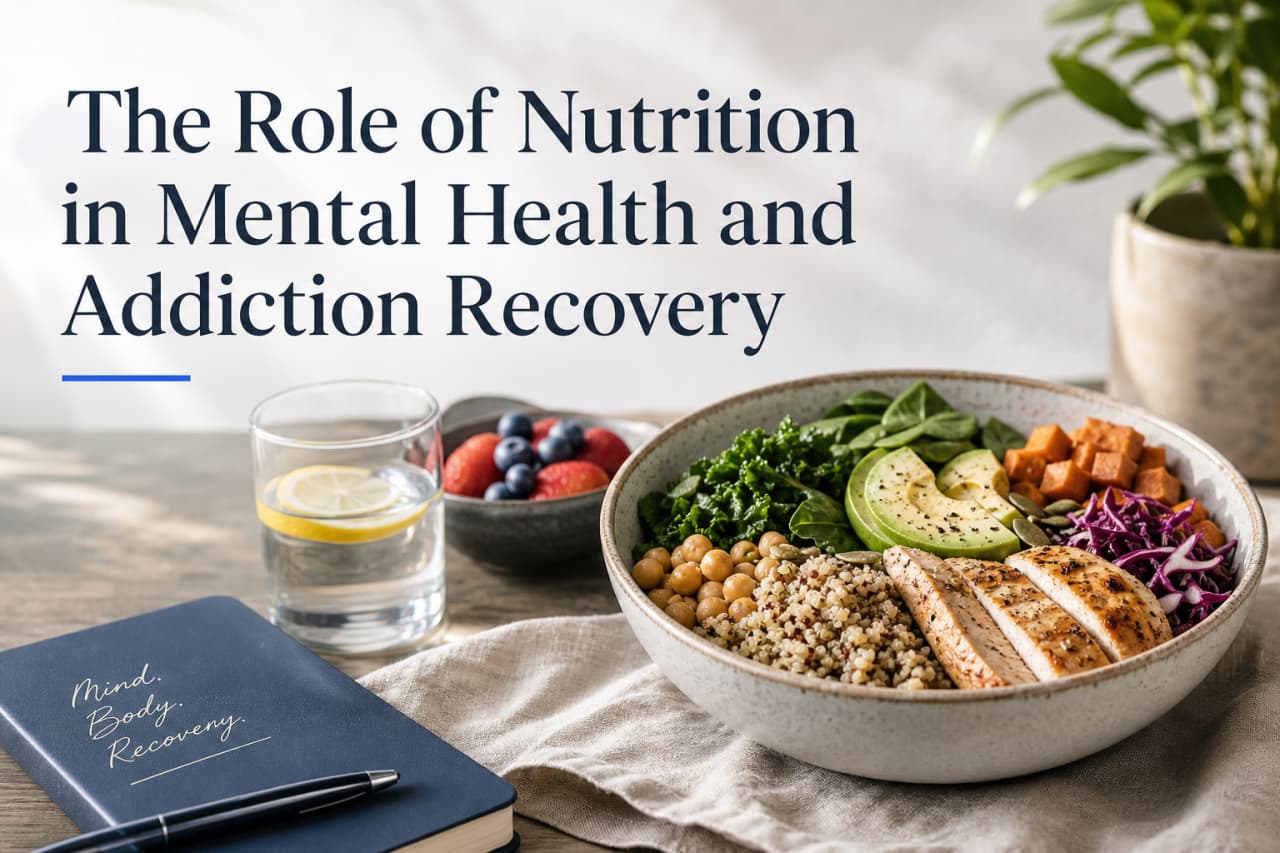
Substance use disorder can lead to malnutrition and vitamin deficiencies, and blood sugar swings from poor dietary choices can trigger cravings. Here is how to eat for recovery.

Exercise in rehab starts only after a physician clears it.
Ready to take the next step
Faith Recovery Center offers confidential admissions, insurance verification, and evidence-based treatment in a private Beverly Hills manor — 24 hours a day.