
Blog
October 14, 20268 min read
Executive Privacy in Luxury Addiction Treatment
Executive privacy rehab explained: confidentiality layers, work access, legal protections, and a vetting checklist before you choose a program.
Faith RecoveryRead
4.8 · 75 Google Reviews · Beverly Hills
Substance use disorder can lead to malnutrition and vitamin deficiencies, and blood sugar swings from poor dietary choices can trigger cravings. Here is how to eat for recovery.
Faith Recovery
Editorial Team
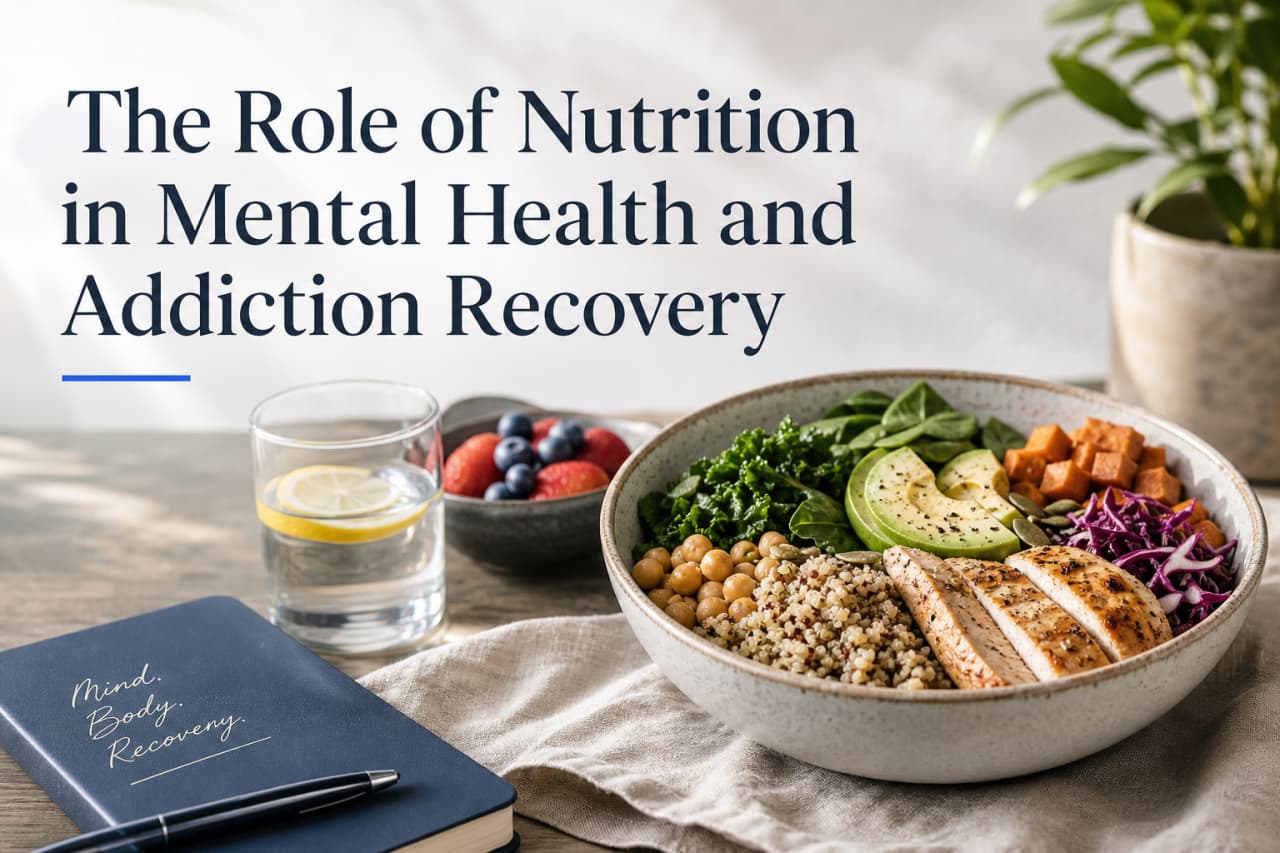
Substance use disorder can lead to malnutrition and vitamin deficiencies, and blood sugar swings from poor dietary choices can trigger cravings. Here is how to eat for recovery.
Alcohol, opioids, and stimulants each interfere with eating in a different way, and a depleted body does not do therapy well. Substance use disorder can lead to malnutrition, vitamin deficiencies, and a weakened immune system (Augustine Recovery), and blood sugar fluctuations from poor dietary choices can trigger cravings (Magnolia Ranch Recovery). At Faith Recovery Center, our Beverly Hills team treats substance use disorders as chronic, treatable medical conditions, and the link between nutrition, mental health, and addiction shapes how we feed and care for each of our 8 clients.
This guide covers how substances disrupt nutrition, which nutrients matter most, how meals affect cravings, and what to look for in a treatment program. It is educational and does not replace a medical assessment.
A substance use disorder is a brain-and-behavior condition whose core feature is compulsive use that continues despite harm (Mayo Clinic). ASAM describes addiction as a treatable, chronic medical disease involving brain circuits, genetics, environment, and life experiences (ASAM). Nobody chooses this condition the way they choose a meal.
Mental health and addiction run in both directions. Mayo Clinic notes that people with depression, ADHD, or post-traumatic stress disorder are more likely to develop addiction, and that using drugs to cope with anxiety, depression, or loneliness can make those problems worse (Mayo Clinic). That overlap, called co-occurring disorders, is why Faith Recovery Center pairs dual diagnosis care with chef-prepared meals. Balanced meals also help regulate blood sugar and hormones, which in turn steadies mood (Silver Mist Recovery).
Substance use can harm nutrition in several overlapping ways, and many people in active addiction experience more than one at the same time. Malnutrition, vitamin deficiencies, and a weakened immune system are the typical results (Augustine Recovery, Magnolia Ranch Recovery).
Many substances suppress appetite or replace meals outright, and Mayo Clinic lists nausea, vomiting, and weight loss among the physical effects of some drugs (Mayo Clinic). Alcohol also irritates the stomach and intestinal lining, which limits how well you absorb nutrients from the food you do eat. Deficiencies can deepen even when a person is eating something every day.
Alcohol is most closely tied to low thiamine, folate, B6, magnesium, and zinc. Thiamine deficiency in alcohol use disorder can lead to Wernicke's encephalopathy, a medical emergency that causes confusion and coordination problems, which is one reason alcohol withdrawal should always be medically supervised.
Opioids slow the gut, so chronic constipation and irregular eating are common. Stimulants such as cocaine, methamphetamine, and prescription stimulants suppress appetite, and Mayo Clinic notes that some people misuse them to lose weight or control appetite. That overlap with disordered eating is worth raising with your clinical team, since weight loss, dehydration, and missed meals compound quickly.
When your diet lacks protein, B vitamins, and healthy fats, your brain has fewer raw materials to work with. The result can look like low mood, irritability, poor focus, and flat energy, which people in early sobriety often mistake for recovery itself failing.
Researchers are still mapping how gut health connects to cravings and mood. Fiber from fruits, vegetables, and whole grains is a reasonable, low-risk step for almost anyone, and your physician can advise on anything beyond that.
No single food repairs the brain changes left by long-term drug use. A balanced diet gives your body the nutrients it needs to heal while therapy and medical care do their part.
Lean proteins like fish, eggs, poultry, beans, and Greek yogurt are good staples. Complex carbohydrates from oats, brown rice, and other whole grains release energy slowly instead of spiking it. Omega-3s from fish, nuts, and seeds are linked to brain health and lower symptoms of depression and anxiety (Silver Mist Recovery).
Omega-3 fatty acids, vitamin B, and probiotics have been reported to improve mood and ease symptoms of depression and anxiety (Augustine Recovery). Treat omega-3s as a support rather than a treatment for depression.
Supplements commonly discussed in recovery include thiamine, a B-complex, magnesium, zinc, and vitamin D. Which ones you need depends on lab work and your history, so start them only with guidance from a physician who knows your case.
Alcohol and stimulants both dehydrate you, and withdrawal symptoms like sweating or vomiting add to the loss. Even mild dehydration causes headaches, fatigue, and fuzzy thinking. Water, broths, and water-rich produce are simple places to start.
Related reading
Blood sugar fluctuations from poor dietary choices can trigger cravings (Magnolia Ranch Recovery), while a balanced diet helps prevent the sudden spikes and drops in energy that can set them off (Waterside Recovery). Regular meal patterns help stabilize blood sugar (Dr. David Wiss). Eating every 3 to 4 hours, with protein and fiber at each meal, is a practical way to keep things steadier. People respond differently, so notice your own patterns and share them with your team.
People recovering from alcohol use disorder often eat more chocolate and sweets than before, a pattern researchers have described as possible addiction transfer (PMC review). A dessert won't derail your sobriety. Watch instead for rigid, compulsive eating that starts to mirror old patterns. Food addiction is not recognized in the DSM-5 or ICD-11, yet addiction-like eating is associated with depression and anxiety, and it deserves attention at intake and throughout treatment.
Caffeine deserves a limit, too. Several cups of coffee can amplify anxiety and disrupt sleep, so keeping caffeine to the morning is a simple start. Nutrition supports relapse prevention, but it can't replace therapy, medication when indicated, and a solid aftercare plan. At Faith Recovery Center, with no more than 8 clients in residence, staff can notice skipped meals and shifting eating patterns quickly.
Small, repeatable changes work better than a strict overhaul. Eat breakfast within an hour or two of waking, with some protein in it, and keep a simple snack like nuts or cheese with you so you never go five or six hours without food. Swap most processed foods and sugary drinks for water, fruit, and whole-food meals.
For opioid-related constipation, add fiber gradually, drink more water, and move your body daily. Weight gain after quitting is common as appetite returns, so focus on consistent meals and movement rather than dieting in early recovery.
During detox, which often lasts about 5 to 10 days, the goal is medical stability. Your team addresses hydration and offers easy-to-digest food while appetite returns. In residential care, typically 30 to 90 days, regular meals and steady blood sugar take priority. Long term, good nutrition becomes a habit that supports physical health, sleep, and clear thinking.
Our program treats nutrition in recovery as part of clinical care. Chef-prepared meals are tailored to each client's dietary needs, and with a maximum of 8 patients at a time, our team knows what each person is eating and how they're responding. Dr. Jason Giles, M.D., oversees medical protocols from detox assessment through residential care, and psychiatrist Dr. Julio Meza, M.D., integrates dual diagnosis care for anxiety, depression, trauma, and related conditions.
Wellness work such as nutrition, fitness, yoga, and mindfulness sits alongside CBT, DBT, and EMDR. Our on-site gym, pool, and gardens make movement part of the day. Because medical detox, residential care, and PHP and IOP happen at one private Beverly Hills estate, the habits you build can continue into outpatient care and your aftercare plan without a change of team.
If you're evaluating any addiction treatment program, ask whether it screens for eating concerns at intake, supervises withdrawal around the clock, and plans nutrition into discharge. The SAMHSA National Helpline can also help you compare options.
Seek care now if you drink heavily or use benzodiazepines daily, since withdrawal from either can be dangerous without medical supervision. Confusion, unsteady walking, or vision changes in someone who drinks heavily need emergency evaluation. Significant weight loss, persistent vomiting, or restrictive eating tied to stimulant use also warrant a professional assessment rather than a wait-and-see approach.
Substance use can leave the body malnourished and short on vitamins. Restoring nutrients supports healing and makes therapy easier to engage with, though it does not replace treatment.
Protein foods supply amino acids, which the brain uses to build mood-regulating chemicals. Nutrients such as omega-3s and B vitamins are linked to better mood (Augustine Recovery). Brain recovery also depends on time, sobriety, and clinical care.
Omega-3s may help mood for some people, but they are not a treatment for depression. Eating fatty fish is reasonable, and supplements should be discussed with your physician or psychiatrist.
We work with many private PPO plans, including Aetna, Anthem, Blue Cross Blue Shield, Cigna, and UnitedHealthcare. Our admissions team offers free, confidential benefits verification before you commit to anything.
Faith Recovery Center is Joint Commission accredited and licensed by the California Department of Health Care Services. Call our admissions team 24/7 at (844) 598-5573 to verify your insurance and ask how nutrition fits into your care.
About the author
Helpful educational resources from Faith Recovery.
In this article
Continue reading
Executive privacy rehab explained: confidentiality layers, work access, legal protections, and a vetting checklist before you choose a program.
Residential treatment at Faith Recovery Center runs 30 to 90 days based on need. Here's how to sort which relationships support your sobriety and which ones wear it down.
Stress management relapse prevention explained: warning signs, the stages of relapse, coping strategies, and when to get professional support.

Many clients at Faith Recovery Center are admitted within 24 to 48 hours of a first call, so the conversation with family often happens fast.
Most cravings crest within about 15 to 30 minutes, even though one in progress can feel permanent. If you can stay safe until the peak passes, the urge loses its grip.

Exercise in rehab starts only after a physician clears it.
More from Blog
View allReady to take the next step
Faith Recovery Center offers confidential admissions, insurance verification, and evidence-based treatment in a private Beverly Hills manor — 24 hours a day.