Non 12 step recovery is any approach to overcoming addiction that doesn't follow the Twelve Steps of Alcoholics Anonymous. It relies instead on clinical therapy, medication when indicated, and secular peer support that doesn't ask you to accept powerlessness or a higher power. At Faith Recovery Center in Beverly Hills, most of our treatment is built this way by default. Every plan starts from evidence-based therapy, and 12-step meetings are one option among several, never a requirement.
Despite our name, we aren't a religious program, and the word faith reflects hope and renewal rather than a creed. Clients who want spiritual practice can include it, and clients who don't are never pushed toward it.
What Is Non-12-Step Recovery?
The term covers two different things that often get blended together. One is mutual support groups that run on secular principles, such as SMART Recovery, LifeRing Secular Recovery, and Women for Sobriety. Another is professional addiction treatment delivered by licensed clinicians, which is non-12-step whenever the core of the program is therapy and medicine rather than working the steps. Genesis House defines a non-12-step program as any option that doesn't follow the traditional structure of AA, NA, or CA, and Trust SoCal describes the category as evidence-based treatment methods plus peer support programs outside the 12-step framework.
Most non-12-step programs share one assumption, that you can build the skills to change your behavior without surrendering control to do it. AdCare frames the main difference as self-reliance versus surrender to a higher power, and Turning Point Centers says non-12-step rehab focuses on restoring self-worth and self-control. Neither view has to be wrong for the other to be useful.
How the 12-Step Model Works and Why Some People Seek Alternatives
Alcoholics Anonymous, founded in 1935, frames addiction as a lifelong condition you manage by admitting powerlessness, turning your will over to a higher power as you understand it, taking moral inventory, and making amends. Narcotics Anonymous (NA) adapted the same steps for drug use. AdCare notes that the model emphasizes powerlessness over addiction and surrender to a higher power. Meetings are free and peer-led, and the sponsor relationship gives many people daily accountability they can't find elsewhere.
About 60% of public treatment programs in the U.S. report the 12-step model as their primary approach, according to a peer-reviewed review on PubMed Central, and it works well for many people. For others, specific parts of it become a barrier to showing up at all, and a program you won't attend can't help you.
Common Objections to the 12-Step Approach
The objection we hear most is religious language. Even though AA says the higher power can be anything, the steps mention God directly, and atheists and agnostics often feel they're being asked to pretend. The same PubMed Central review notes that WFS, LifeRing, and SMART avoid religious content and may attract people deterred by AA's quasi-religious approach, and Recovery.com makes the same point, that the spirituality of 12-step programs isn't for everyone. A second objection is the word powerless, which some people, especially trauma survivors, experience as the opposite of what they need. Others dislike the lifelong label of alcoholic or addict, or want a program that treats co-occurring anxiety or depression directly instead of treating spiritual growth as the main path.
Key Differences Between 12-Step and Non-12-Step Programs
The table below compares the frameworks, not their quality, and draws on how AdCare, Turning Point Centers, and Genesis House describe the two models. Use it to see which set of assumptions matches how you think about your own recovery.
| Feature | Traditional 12-step programs | Non-12-step programs |
|---|
| View of control | Admit powerlessness over the substance | Build self-management skills and personal agency |
| Spiritual element | Higher power is part of the steps | Secular; spirituality optional |
| Labels | Identify as an alcoholic or addict | Labels usually discouraged or optional |
| Format | Peer-led sharing, sponsorship | Facilitated groups, individual therapy, or both |
| Duration | Often lifelong meeting attendance | Many people taper off meetings as skills solidify |
| Medication | Varies by group culture | Generally welcomed when clinically indicated |
The structural difference that matters most is that clinical non-12-step rehab leans heavily on individual therapy, where a clinician works on your specific triggers and mental health history. Passages Malibu contrasts 12-step programs, which are mostly group meetings, with non-12-step programs heavy on one-on-one therapy, and Practical Recovery says groups aren't required in that model. Group work still happens here, but it's one tool rather than the whole program.
Non-12-Step Support Groups and Alternatives to AA
Peer support still matters after treatment, and secular AA alternatives now run meetings in person and online most hours of the day. Here are the main options and what sets each apart.
SMART Recovery
SMART Recovery (Self-Management and Recovery Training) is a secular, evidence-based approach that uses cognitive behavioral therapy and rational emotive behavioral therapy to teach self-management skills alongside peer support, as Genesis House describes it. Meetings are led by trained facilitators and are more didactic than those of Women for Sobriety or LifeRing, according to the PubMed Central review. Members aren't asked to call themselves addicts, and you can find meetings through SMART Recovery's official site.
LifeRing Secular Recovery and Secular Organizations for Sobriety (SOS)
LifeRing Secular Recovery emphasizes secularity, and its model focuses on social-cognitive change strategies informed by cognitive behavioral therapy and dialectical behavior therapy. Meetings are peer-led, with participants sharing in response to the question "How was your week?" LifeRing has roots in Secular Organizations for Sobriety (SOS), founded by James Christopher in 1985 and now described as mostly inactive, according to the PubMed Central review. AdCare lists both among the main alternatives to 12-step programs.
Women for Sobriety
Women for Sobriety, founded in 1975, is one of the oldest mutual help alternatives and the only active one exclusively for women, according to the PubMed Central review. Many women choose it because it addresses shame and self-esteem directly, and because a women-only room can feel safer for discussing relationships and trauma.
Moderation Management
Moderation Management is the outlier because it welcomes people who aren't committed to abstinence and encourages them to consider how abstinence might be maintained, per the PubMed Central review. It fits people with early drinking problems better than people with severe dependence, and anyone with withdrawal symptoms should involve a physician first. Refuge Recovery, a Buddhist-inspired program built on meditation, rounds out the list for people who want a contemplative but non-theistic practice.
Clinical and Evidence-Based Non-12-Step Treatment Approaches
Support groups help you stay steady, but they aren't treatment. If you're drinking daily, using opioids, or managing a mental health condition alongside substance abuse, you need licensed clinicians, not just a meeting schedule. At Faith Recovery Center, board-certified physician Dr. Jason Giles and psychiatrist Dr. Julio Meza lead this clinical side, with no more than 8 patients in care at once.
Behavioral Therapies (CBT, DBT, Motivational Interviewing)
Cognitive behavioral therapy teaches you to catch the thought patterns that lead to use and replace them with practiced responses. Dialectical behavior therapy adds skills for intense emotions and distress tolerance, which helps if you use to escape feelings. Motivational interviewing works on ambivalence, so a clinician helps you find your own reasons for change instead of lecturing you. We use all three at Faith Recovery Center, along with EMDR for trauma.
Medication-Assisted Treatment and the Sinclair Method
Medication-assisted treatment uses FDA-approved medications such as buprenorphine, methadone, or naltrexone for opioid use disorder, and naltrexone or acamprosate for alcohol addiction. SAMHSA's MAT overview describes it as a standard of care for opioid use disorder. The Sinclair Method is a specific protocol where you take naltrexone about an hour before drinking to weaken alcohol's reward over time. It's a moderation-first approach, so discuss it with a physician rather than trying it alone.
Mindfulness, Coaching, and Whole-Person Supports
Yoga, mindfulness, art therapy, nutrition, and fitness don't replace therapy, but they give you ways to regulate stress that don't involve a substance. Recovery coaching adds practical accountability after discharge, when daily structure tends to fall away.
What the Research Says About Effectiveness
The most useful finding is that the model matters less than whether you stay engaged. The Peer Alternatives for Addiction study of 647 participants, as summarized by Discover Health Group, found no significant differences in efficacy between Women for Sobriety, LifeRing, SMART Recovery, and 12-step groups when controlling for abstinence goals. Trust SoCal likewise reports that active engagement in any structured recovery program produces better outcomes than no treatment or unstructured self-help.
For opioid addiction specifically, the evidence strongly favors medication. The National Institute on Drug Abuse reports that MAT reduces overdose deaths and keeps people in treatment longer. A non-12-step plan that includes medication is often the most evidence-aligned path for opioids.
Pros and Cons of Non-12-Step Recovery
The advantages are real, starting with an approach that fits secular values, treats mental health directly, welcomes medication, and focuses on skills you can measure. Trust SoCal describes the category as a broad range of evidence-based methods and peer support programs. Many people also find it easier to engage when they aren't asked to adopt a label.
The trade-offs are just as real, and the first is that secular meetings are less common than AA in many towns, though online options close most of that gap. There's no sponsor system, so you'll need to build community support deliberately. Some people also do better with the firm structure the steps provide, and plenty of our clients combine a secular meeting with an occasional AA meeting.
Non-12-Step Fit Assessment: Questions to Ask Yourself
Before choosing, be honest with yourself about whether religious or spiritual language makes you less likely to attend, and whether you want a clinician addressing anxiety, depression, trauma, or ADHD alongside your substance use. Consider also whether you're open to medication, whether your goal is abstinence or reduced use, and whether moderation has ever actually worked for you.
If moderation has repeatedly failed, or you've had withdrawal symptoms like shaking, sweating, or seizures, abstinence with medical support is the safer target. Alcohol and benzodiazepine withdrawal can be medically dangerous, so don't stop cold turkey on your own.
Evaluation Checklist for Choosing a Non-12-Step Rehab or Program
- State licensure and accreditation you can verify, such as The Joint Commission
- Licensed physicians and a psychiatrist on the team, not just counselors
- Named therapies (CBT, DBT, EMDR, motivational interviewing) delivered individually
- Medication-assisted treatment available when indicated
- Medical detox on-site or clearly coordinated
- A written relapse prevention and aftercare plan before discharge
- Freedom to choose 12-step, secular, or no peer support groups
Non-12-Step Addiction Treatment at Faith Recovery Center
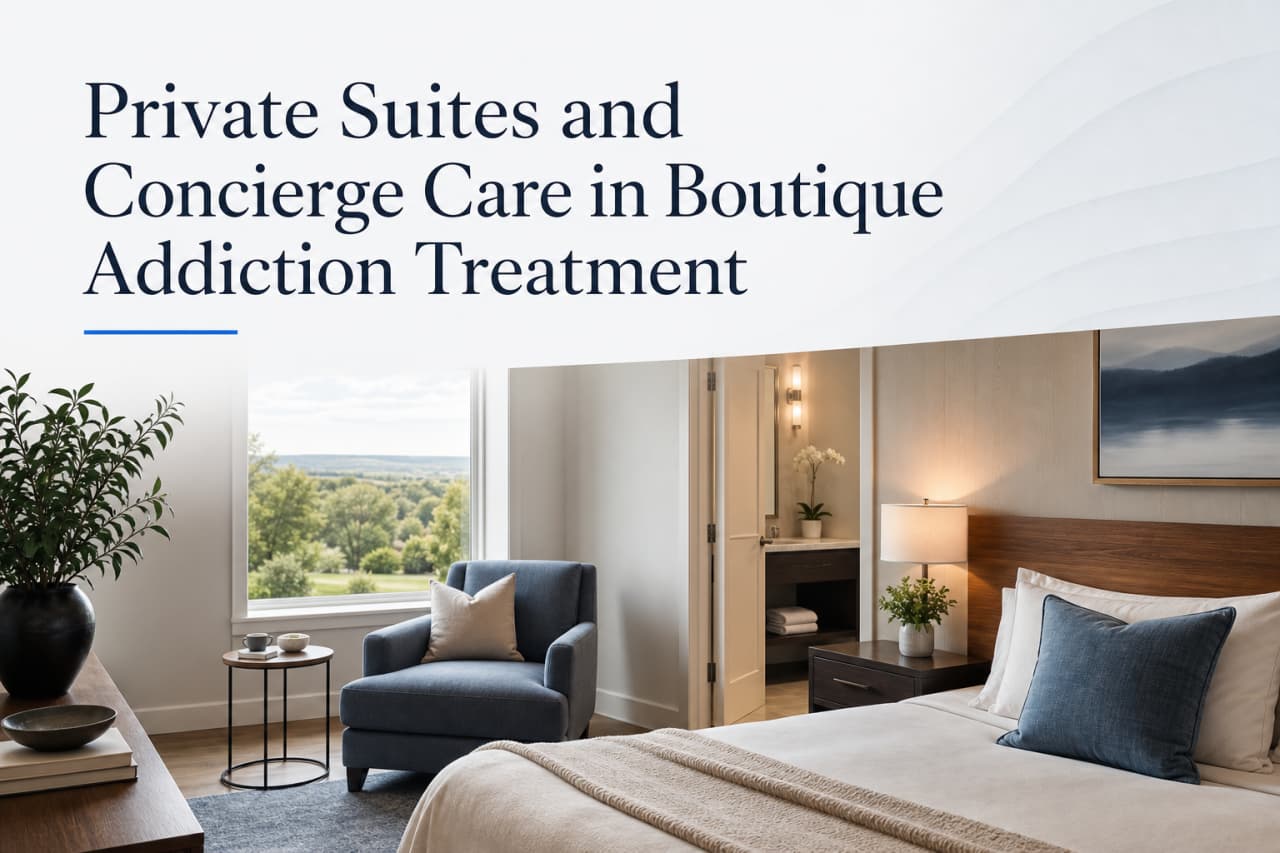
We treat a maximum of 8 patients at a time in a private Beverly Hills manor, so your clinicians know your history and adjust your recovery plan as you progress. Care runs the full continuum under one roof, from physician-supervised medical detox (often about 5 to 10 days) through residential treatment (typically 30 to 90 days), PHP, IOP, outpatient, and aftercare. Dr. Jason Giles, a board-certified physician, oversees detox and MAT protocols, and psychiatrist Dr. Julio Meza leads dual diagnosis treatment for conditions like anxiety, depression, PTSD, and bipolar disorder.
Peer support is your choice, and we connect clients with SMART Recovery, Refuge Recovery, AA, or none of them, depending on what you'll actually use. Faith Recovery Center is Joint Commission accredited, DHCS licensed (license 190130AP), and LegitScript certified, and we work with most major PPO plans, including Aetna, Anthem, Cigna, and UnitedHealthcare.
Frequently Asked Questions
Is there an alternative to the 12 steps?
Yes. AdCare lists SMART Recovery, Secular Organizations for Sobriety, Women for Sobriety, and LifeRing Secular Recovery as established alternatives, and Refuge Recovery is another. Clinical treatment built on therapy and medication doesn't require the steps at all.
Does AA work for everyone?
No single approach works for everyone, including AA. It helps many people, but the Peer Alternatives for Addiction study summarized by Discover Health Group found no significant differences in efficacy between AA-style 12-step groups and the secular alternatives once abstinence goals were controlled for, so the best program is the one you'll keep attending.
Do courts accept non-12-step programs for mandated attendance?
Over a third of admissions to publicly funded treatment programs are legally mandated, and since 1996 at least four higher courts have evaluated cases requiring attendance at AA, NA, or 12-step-based therapy, according to the PubMed Central review. Requirements vary by jurisdiction, so confirm with your attorney or probation officer before enrolling in any alternative.
Is non-12-step rehab better for co-occurring mental illness?
It often fits better, because psychiatric care and therapy sit at the center of the program. At our center, psychiatric assessment begins on arrival and continues throughout your stay.
Do non-12-step programs require complete abstinence?
The largest alternatives focus on abstinence, but Moderation Management welcomes people who aren't yet committed to it, per the PubMed Central review. Check each program's stated goal before joining, and talk with a physician before trying a medication-based approach like the Sinclair Method.
How do I find non-12-step meetings online?
SMART Recovery, LifeRing, and Women for Sobriety each list online meetings on their official websites, many running daily. Our team also builds meeting options into every aftercare plan.
Our admissions team answers calls 24/7 at (844) 598-5573, verifies insurance free and confidentially, and can often arrange admission within 24 to 48 hours. You can also speak with admissions or verify your insurance through the form at /contact/.