Blog
October 17, 20266 min read
Holistic Anxiety Recovery: A Practical Order of Care
A sensible sequence for anxiety care, from medical evaluation and therapy to sleep, movement and daily habits, with the limits of each step.
Faith RecoveryRead
4.8 · 75 Google Reviews · Beverly Hills
Meditation recovery tools work best when they target a specific problem, such as a craving at 6 p.m. or a spike of anxiety before a family call. Here is how to choose one.
Faith Recovery
Editorial Team
Meditation recovery tools work best when they target a specific problem, such as a craving at 6 p.m. or a spike of anxiety before a family call. Here is how to choose one.
Meditation recovery tools work best when they target a specific problem, such as a craving at 6 p.m. or a spike of anxiety before a family call. Faith Recovery Center in Beverly Hills includes yoga and mindfulness in its programming next to therapy and medical care, never in place of them. This article is educational and was prepared by our editorial team using the outside sources linked below.
Stress is a common trigger for a return to use, and meditation gives you a way to notice it before it turns into action, as High Focus Centers points out. It is a coping skill and not a standalone treatment for a substance use disorder. Nova Recovery Center makes the same point, that recovery tools are most effective when paired with professional treatment.
MedMark reports that many people who meditate describe lower anxiety and a more grounded feeling in the present. Those are self-reported experiences, and results vary by person.
Mindfulness meditation means paying close attention to the present moment and viewing your thoughts, feelings and body sensations from an impartial viewpoint, according to a paper in PubMed Central. That habit of observing is what can open a pause between an urge and a decision.
One review of 17 randomized controlled trials involving 1,228 participants, as summarized by Bountiful Life, reported that mindfulness-based interventions reduced craving. That is a third-party summary we have not independently verified. Mindfulness changes your relationship to cravings, and it does not make them vanish on command.
Some sources credit the prefrontal cortex, the brain region involved in planning and impulse control, as a site of change, and Malibu Wellness Ranch describes mindfulness as strengthening it. The neuroscience is still developing, so judge the practice by how you feel and function.
There are several forms of meditation to try, and MedMark notes that even journaling or deep breathing can count as one. The four below cover attention, body awareness, self-compassion and restlessness, so match the tool to the problem in front of you.
A body scan moves your attention slowly from head to feet and helps you notice tension without fighting it. In early recovery, including withdrawal, that can ease stress, though anyone detoxing needs medical supervision first. Loving-kindness meditation uses silent phrases of goodwill toward yourself and others, which helps when shame is loud.
Slow breath counting is the easiest entry point, and it works in a parked car or a waiting room. MedMark lists deep breathing exercises among the accepted forms of meditation. Yoga and meditation together suit people who feel restless sitting still, and guided meditations, including free apps, lower the barrier further because a voice tells you what to do.
A chapter on meditation in Addiction Recovery Tools describes two major forms. Concentration practice holds attention on one object, like the breath, while mindfulness meditation widens the lens and observes whatever arises without judging it, which Pecan Haven says helps people become aware of triggers and cravings before reacting impulsively. If your mind races, try concentration first.
Urge surfing means watching a craving rise, peak and fade like a wave instead of acting on it. You name where you feel it, breathe, and track the intensity until it drops, often within minutes. The underlying skill, observing thoughts and feelings without judgment, is one Pecan Haven describes as a way to catch triggers and cravings early.
This skill is central to Mindfulness-Based Relapse Prevention (MBRP), an 8-week structured group program developed by Dr. Sarah Bowen and Dr. G. Alan Marlatt at the University of Washington, according to Bountiful Life. It differs from casual meditation and is typically taught by trained clinicians. Mindfulness helps you spot triggers earlier, but it does not guarantee sobriety.
Start with five minutes, because consistency matters more than duration. Bountiful Life suggests building toward 15 to 20 minutes over several weeks. Pick a fixed cue, such as right after morning coffee, and use a guided track if silence feels uncomfortable. Expect a wandering mind, since noticing and returning is the practice itself, and add time only when the habit holds.
Cushions, timers and singing bowls are optional. MedMark states that no special skills or tools are necessary, so a chair with a phone timer does the same job.
Related reading
The biggest mistake is treating meditation as a replacement for therapy or support groups. It complements professional care and does not substitute for it. Nova Recovery Center also lists using tools only during crises, expecting instant results and giving up too soon. Aiming for a blank mind and pushing through distress are two more traps.
“WARNING: If meditation raises anxiety or brings up trauma memories, stop and tell your clinician. Eyes-open practice, shorter sessions or movement-based options are safer starting points, and trauma-informed guidance matters.”
Choose by need. Cravings call for urge surfing, restlessness suits yoga or walking meditation, shame points to loving-kindness, and physical tension points to a body scan. If you are unsure, begin with five minutes of breath counting and adjust from there. Pecan Haven likewise suggests starting with just a few minutes a day.
Three signs tell you whether the practice is working. You notice triggers sooner, you return to the practice after a missed day, and you feel steadier afterward rather than more agitated. Agitation that persists is a reason to talk with your care team, not a personal failure.
With a maximum of 8 patients, our team knows each person's history. Yoga and mindfulness sit within residential programming next to CBT, DBT, EMDR and trauma-informed care. Dr. Julio Meza, a licensed psychiatrist, and Dr. Jason Giles, a board-certified physician, oversee the psychiatric and medical sides of care. Faith Recovery Center is Joint Commission accredited, licensed by the California Department of Health Care Services (license 190130AP) and LegitScript certified.
The same continuum runs through PHP, IOP and outpatient treatment, so the habits you build in residence can carry into long-term recovery. Aftercare planning at discharge supports that.
Five to ten minutes of daily practice is enough to start, and Bountiful Life recommends building gradually from five minutes. Regular short sessions beat occasional long ones.
Pecan Haven recommends guided meditation apps for people starting out. Look for guided meditations on cravings, sleep and stress with short sessions. Ask your therapist to recommend one, since the best fit depends on your history.
No. It is one tool for the mental and emotional side of recovery, and Nova Recovery Center notes that recovery tools are most effective when paired with professional treatment.
It can be, but quiet inward focus sometimes intensifies trauma symptoms. Work with a clinician who can adapt the practice, and stop if distress builds.
Shorten the session, open your eyes or switch to movement, and tell your care team. Anxiety during practice is useful information for your treatment plan.
If you or a loved one wants meditation built into real treatment, call Faith Recovery Center at (844) 598-5573. Admissions is confidential, available 24/7, and includes free insurance verification.
About the author
Helpful educational resources from Faith Recovery.
In this article
Continue reading
A sensible sequence for anxiety care, from medical evaluation and therapy to sleep, movement and daily habits, with the limits of each step.

Answers to common medical detox questions: withdrawal safety, medications, how long detox lasts, insurance, and what happens next at Faith Recovery Center.
Leaving residential treatment is the point where the structure of daily life drops away, which is why aftercare resources in Los Angeles deserve as much planning as treatment itself.
Many treatment centers keep a peer community open to former clients after discharge.
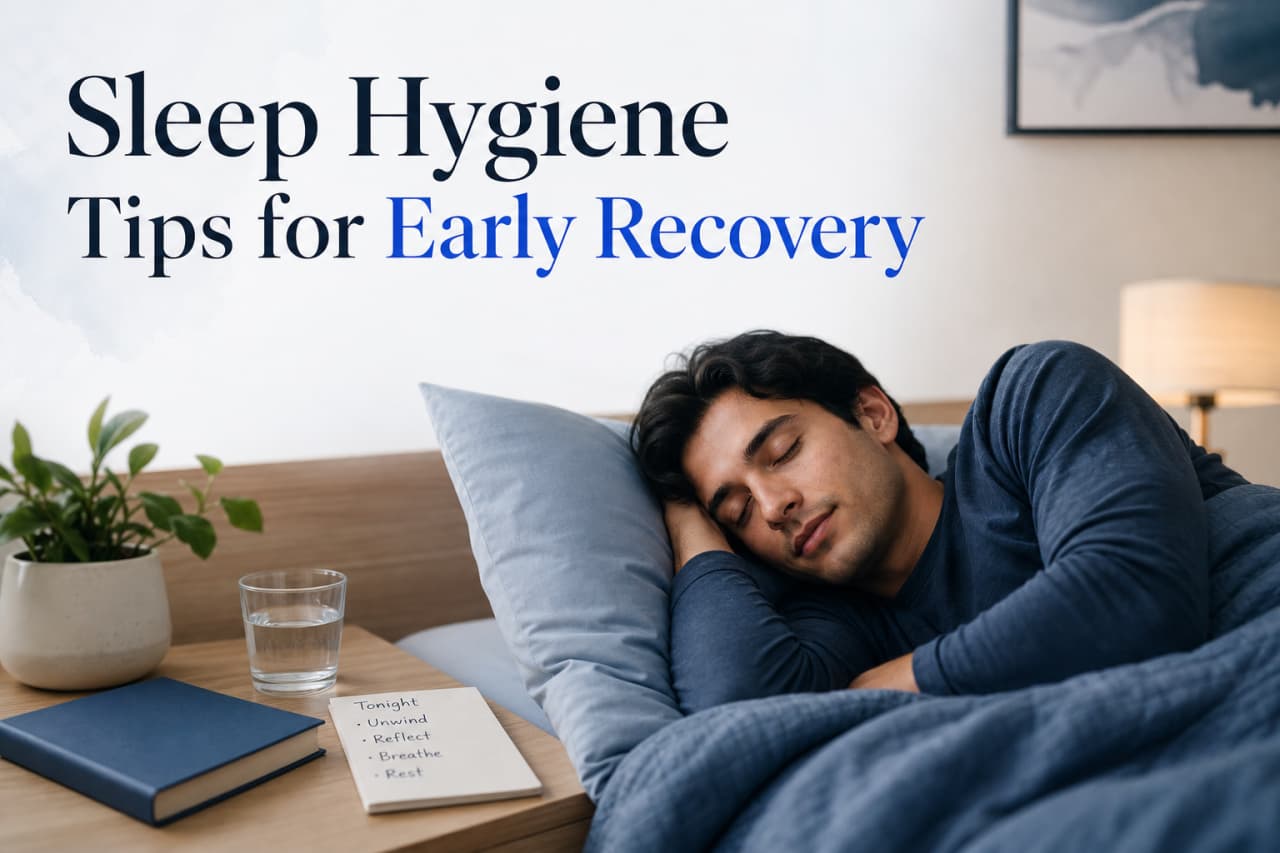
Poor sleep is a common complaint in early recovery. Here is which sleep habits to fix first, and when trouble sleeping means you need clinical help.

Executive privacy rehab explained: confidentiality layers, work access, legal protections, and a vetting checklist before you choose a program.
Ready to take the next step
Faith Recovery Center offers confidential admissions, insurance verification, and evidence-based treatment in a private Beverly Hills manor — 24 hours a day.