Eight. That’s the maximum number of clients Faith Recovery Center in Beverly Hills treats at one time. This cap isn’t just a number. It shapes every treatment plan, every day. When families ask is private drug and alcohol rehab worth it compared to free or low cost programs, they’re thinking about more than cost. They want to know if faster admission, dual diagnosis psychiatry, and private suites make a real difference in the outcome of a treatment episode.
Substance abuse treatment, whether public or private, is almost always less expensive than the consequences of untreated drug use—medical emergencies, legal trouble, or lost work. But not every program delivers the same value. Level of care, speed of admission, medical supervision, and how well the program fits alcohol use disorder or co-occurring mental illness matter far more than the sticker price.
This guide breaks down state-funded rehab, private drug and alcohol treatment, insurance realities, inpatient versus outpatient options, and what clients who need more clinical depth should consider. You’ll also see how Faith Recovery Center structures medical detox, residential care, and outpatient options under one roof.
What Is State-Funded Rehab and How Free Services Work
State-funded treatment programs in California are licensed by the Department of Health Care Services and built to remove barriers for people with limited income or no health insurance. Many are free or use sliding-scale fees based on what you can pay. These abuse services and community mental health resources exist to make care accessible, not luxurious. For example, Los Angeles County operates dozens of state-funded facilities under this model.
The Substance Abuse and Mental Health Services Administration (SAMHSA) funds much of the public treatment system. Through this health services administration model, states and counties operate treatment centers, grant-supported residential programs, and outpatient clinics. If you need a starting point, the SAMHSA national helpline and https://www.samhsa.gov directory are the main public entry points.
State-funded rehab means licensed care paid by public dollars. Protocols are standardized to move many people through assessment, group work, and discharge planning. This model increases access but often means less one-on-one time and longer waits when demand is high.
Public treatment facilities usually operate in basic buildings. Shared rooms are common. Staff work hard, but resources shape staffing. For many clients who need a first entry into recovery, these tradeoffs are manageable. For people with complex substance use, medical risk, or severe mental illness, the wait to start care can become the biggest cost.
What Is Private Rehab?
Private rehab means addiction treatment delivered by independently operated facilities that bill private pay, commercial health insurance, or both. At its best, private rehab offers physician-supervised detox, individualized therapy, dual diagnosis psychiatry, and a setting built for privacy—not volume.
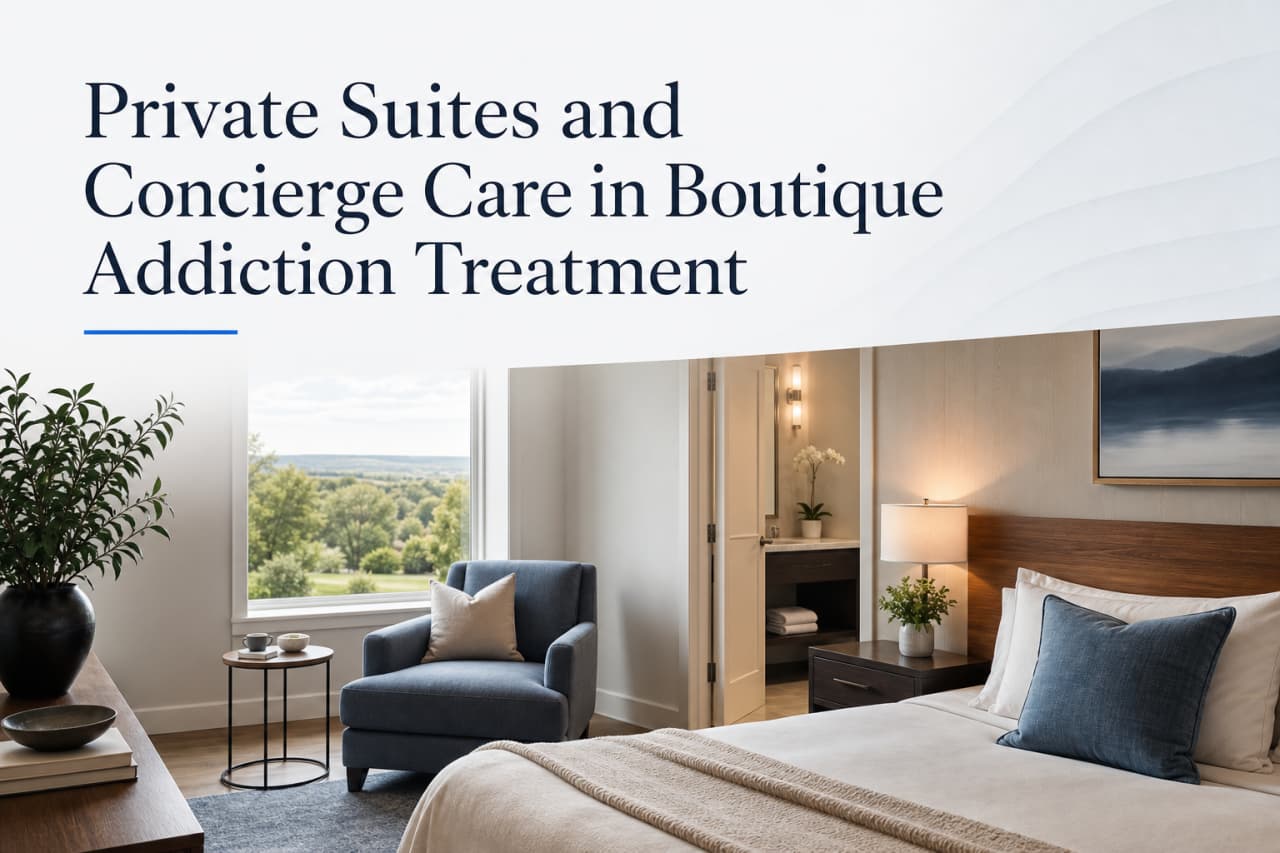
Private drug and alcohol programs aren’t all alike. Some are large campuses. Others, like Faith Recovery Center, are boutique behavioral health residences with an eight-client maximum, private suites, chef-prepared meals, and 24/7 clinical support. Amenities aren’t the treatment plan, but comfort can help people stay long enough for therapy sessions to work.
Private centers often admit within 24 to 48 hours if a bed is open. That speed matters. Someone ready for help on Tuesday might not be ready after three weeks on a waitlist. Rapid admission isn’t a luxury—it’s a clinical advantage.
Is Private Drug and Alcohol Rehab Worth It Compared to Free or Low Cost Programs?
Faith Recovery Center can admit most clients within 24 to 48 hours if a suite is available. In contrast, public programs in Los Angeles County may have waitlists that stretch for weeks. So is private drug and alcohol rehab worth it compared to free or low cost programs? The answer depends on severity, co-occurring conditions, home stability, and how soon treatment can start. Free care opens the door for many uninsured adults. Private care is a better fit when medical detox risk is high, dual diagnosis is active, or past short stays didn’t work.
Research across the field shows that more intensive treatment doesn’t always produce better results. Outpatient care can work as well as inpatient for people with milder substance use. But when withdrawal is dangerous, the home environment is unstable, or mental health symptoms need daily psychiatric care, inpatient rehab is the safer choice.
Long-term outcomes depend on matching the right level of care to the person’s needs. Alcohol use disorder with benzodiazepine dependence requires different medical protocols than stimulant drug addiction. Success might mean full abstinence or a sustained reduction in use. Either way, aftercare matters as much as the weeks spent in residential treatment.
For people who have not responded to previous treatment, private drug and alcohol rehab is often worth it if the program offers more staff contact, integrated dual diagnosis care, and a full continuum of care without switching teams. Worth isn’t a universal ranking. It’s about clinical fit.
Hidden Costs, Overall Cost, and the Cost of Treatment
Free programs are free at the door, but hidden costs still exist. Waitlists can mean more days of active drug abuse or alcohol abuse before treatment starts. Transportation, missed work due to strict schedules, and limited aftercare can push people back into crisis. Some families end up in the emergency room while waiting for a bed.
Private rehab costs more upfront. The overall cost can drop if health insurance covers most of the stay. Faith Recovery Center works with many private PPO plans and offers free, confidential benefits checks before admission. Sometimes insurance covers the entire stay. Private pay and payment plans are available if coverage is limited. The final cost depends on length of stay and clinical needs. No honest center quotes a flat price for everyone.
How much you pay also depends on the level of care. Medical detox usually lasts 5 to 10 days. Residential inpatient rehab can run 30 days or longer. PHP and IOP outpatient programs may last several months. Each step changes the cost of rehab and the amount spent on treatment.
Studies often show that outpatient drug-free programs are most cost-effective when clinical risk is low. This approach lets public systems serve more people. But for a family dealing with fentanyl dependence and bipolar symptoms, the cheapest option isn’t always the right one. Clinical fit should always come first.
Cost of Alcohol Treatment and Drug Treatment Pathways
The cost of alcohol treatment rises sharply if someone tries to withdraw at home without supervision. Alcohol and substance withdrawal can cause seizures, dehydration, or heart problems. Supervised detox with medical professionals reduces these risks. The same principle applies to benzodiazepine and opioid withdrawal, which require careful tapering and monitoring.
Both drug treatment and alcohol treatment are more effective when psychiatric care is included. Substance use and mental health conditions often overlap. Treating only the substance use leaves mental illness unaddressed, which increases the risk of returning to use after discharge.
Health Insurance Coverage and Ways to Afford Rehab
Faith Recovery Center accepts many private PPO insurance plans and can verify benefits before admission. The facility is located at 2200 Coldwater Canyon Dr in Beverly Hills. Many private facilities accept commercial health insurance. Under federal law, addiction treatment is an essential health benefit for most marketplace and employer plans. This doesn’t mean every plan is in network, but it does mean you should check your insurance before assuming private care is unaffordable. For example, Faith Recovery Center’s admissions team can confirm your coverage and explain your options before you commit.
Faith Recovery Center does not advertise Medicaid or Medicare acceptance. The team verifies private PPO benefits at no charge and can discuss payment plans if coverage is partial. If you can’t afford rehab at a private facility, start with the Substance Abuse and Mental Health Services Administration national helpline, county behavioral health, and sliding-scale providers while you check your benefits.
Can you get drug and alcohol rehab for free? Yes—through state-funded programs, nonprofit beds, and grant-supported slots. Free care isn’t instant. You’ll need to document income, call early, and have a backup plan if the wait is long. Family members can call on behalf of a loved one who is unsure.
If you can’t afford rehab, ask for a free benefits check, inquire about payment plans, call the national helpline, look into state-funded treatment, and ask about outpatient options if residential funding is limited. Don’t delay medical care for dangerous withdrawal while sorting paperwork.
Inpatient and Outpatient Care Versus Outpatient Tradeoffs
Faith Recovery Center offers inpatient, PHP, and IOP levels of care in Beverly Hills, so clients can move between levels without switching providers. Inpatient care removes you from daily triggers and provides 24/7 medical staff. Outpatient care lets you keep work or family responsibilities while attending therapy sessions. Compared to outpatient alone, residential treatment is stronger when home is unstable or previous outpatient programs haven’t worked. At Faith Recovery Center, clients can step down from inpatient to outpatient without leaving the clinical team or facility—a rare setup in most public systems.
Research consistently shows that outpatient care can be highly cost-effective for the right cases. This supports a stepped-care approach, not automatic under-treatment. Clients who need detox and high-acuity dual diagnosis care should start with inpatient rehab, then step down to PHP or IOP.
Faith Recovery Center runs the full continuum under one roof: physician-supervised medical detox, residential programs, then PHP and IOP. Clients who stabilize on site can move through levels without losing their clinical team. That continuity is hard to match when free services and private beds are in separate systems.
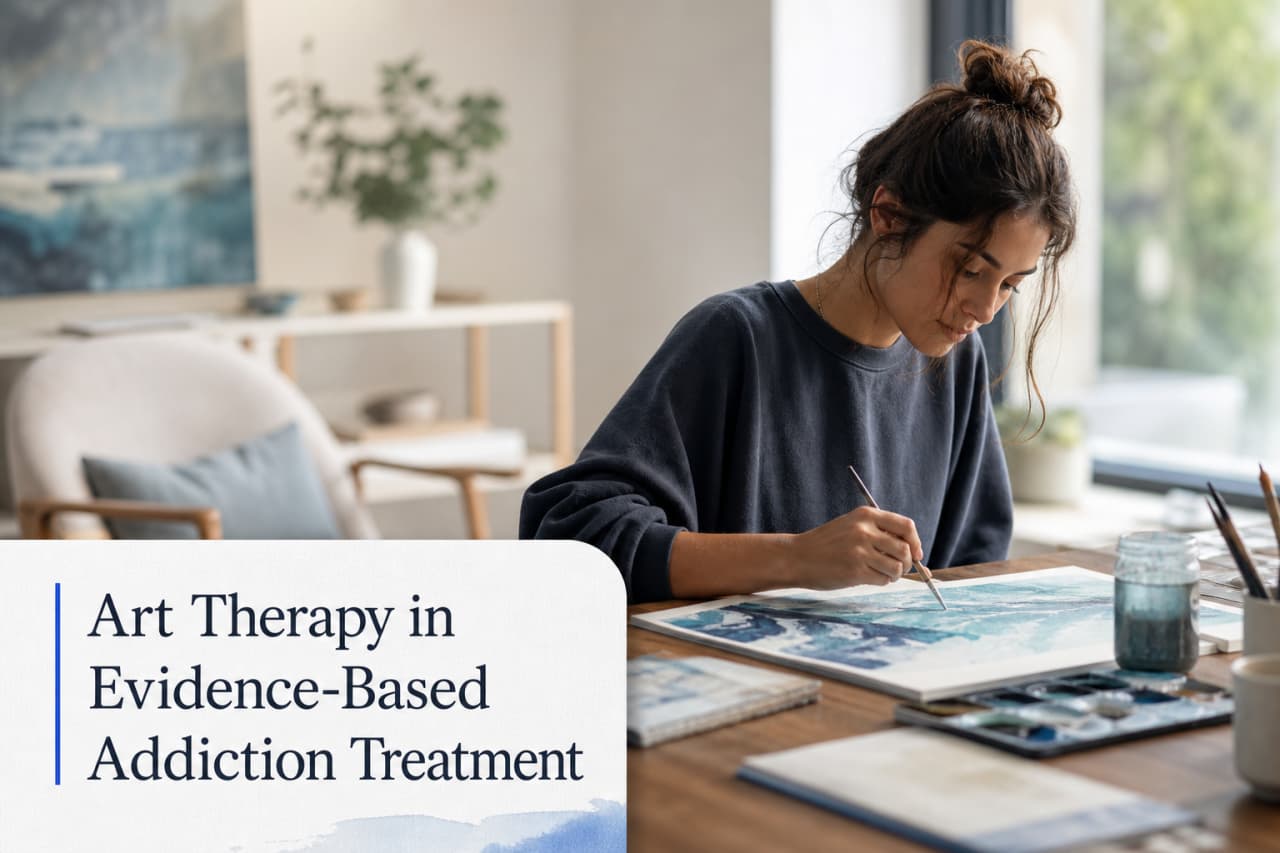
What to expect in residential programs: daily individual and group therapy, medication management as needed, supportive services like yoga and art, and discharge planning before you leave. What to expect in outpatient programs: fewer hours per week, more self-management, and greater reliance on home structure and peer support.
Dual Diagnosis, Mental Health, and Who Needs Private Depth
Faith Recovery Center provides dual diagnosis care with a licensed psychiatrist and board-certified physician on staff. The eight-client maximum means the psychiatrist and physician can spend more time with each person than is typical in larger public programs. Which rehab type is better for dual diagnosis or co-occurring disorders? The answer: programs that integrate psychiatry from day one. Substance abuse and mental health conditions like anxiety, depression, PTSD, bipolar disorder, ADHD, and borderline personality traits require concurrent treatment. Siloed referrals after discharge leave gaps. Faith Recovery Center, located at 2200 Coldwater Canyon Dr, is among the few in Beverly Hills with this setup.
Faith Recovery Center includes a licensed psychiatrist for dual diagnosis and a board-certified physician for detox and medical protocols. Psychiatric services start with assessment on arrival and continue throughout the stay if needed. This approach addresses health and substance use together, not in sequence.
Private staffing usually means more one-on-one time than high-volume public programs. Faith Recovery Center’s eight-client maximum lets clinicians know each history in detail. The knowledge base doesn’t publish a staff-to-patient ratio, but the effect is clear: more contact hours with medical staff and therapists.
Trauma-informed care, CBT, DBT, and EMDR are built into each client’s plan. Family therapy and family support help loved ones rebuild trust and avoid making the home the only aftercare plan. Both young people and adults benefit when family members gain skills, not just rules.
National survey data shows high overlap between substance use and mental health needs. The National Institutes of Health and National Institute on Drug Abuse emphasize matching care to severity and co-occurring disorders. These principles favor assessment-driven plans over one-size-fits-all protocols.
How Faith Recovery Center Structures Boutique Addiction Treatment
Faith Recovery Center is a physician-led luxury behavioral health residence at 2200 Coldwater Canyon Dr, Beverly Hills, CA 90210. Despite the name, it’s not tied to any religious denomination. The name stands for hope and renewal. Treatment is clinical and evidence-based; spirituality is optional.
The estate setting includes private suites with private bathrooms, chef-prepared meals, a pool and gardens, gym, tennis court, and living spaces designed for comfort. Environmental comfort can support sleep, nutrition, and privacy while clients do the hard work of recovery.
Faith Recovery Center holds Joint Commission behavioral health accreditation, California Department of Health Care Services licensing, LegitScript certification, and follows HIPAA privacy rules. These credentials matter when comparing treatment programs.
Clinical leadership includes founder and CEO Elen Antonyan, board-certified physician Dr. Jason Giles for medical and detox protocols, and psychiatrist Dr. Julio Meza for dual diagnosis. Medical detox for alcohol, opioids, benzodiazepines, and other substances is physician-supervised, then clients usually step into residential treatment without changing facilities.
Modalities include individual psychotherapy, group counseling, family therapy, MAT when needed, life skills education, relapse prevention, and aftercare planning. Alcohol rehab and drug rehab plans are written to the person, not a set menu. Length of stay is individualized.
Admissions is available 24/7 at (844) 598-5573. Many clients arrive within 24 to 48 hours if clinically appropriate and a suite is open. The team can help with medical leave paperwork and coordinate with family members. No doctor referral is needed to call.
Aftercare, Family Support, and Life After a Treatment Episode
What happens after rehab often decides whether progress holds. Private facilities usually build aftercare and relapse prevention into the discharge plan. This can include outpatient step-down, sober living referrals, ongoing therapy, and scheduled family support. Free programs may offer less structured follow-up when budgets are tight.
People in recovery need more than a certificate. Peer support through 12-step or alternatives like SMART Recovery can extend accountability. Support groups don’t replace clinical aftercare, but they help during evenings and weekends when cravings spike.
Family support helps rebuild trust with clear boundaries. At Faith Recovery Center, visitation usually starts after initial stabilization, with schedules set by the clinical team. Family therapy educates loved ones so home doesn’t undo progress from residential care.
Switching from free to private rehab mid-treatment is possible if a bed becomes available and medical records can be transferred. Start the private admissions call early so insurance verification runs while you finish a public waitlist or short stay. The process is smoother when both teams share diagnosis, medications, and goals.
Amenities alone don’t guarantee better relapse rates. No ethical center invents universal success percentages. What private settings do offer: more therapy contact, faster starts, dual diagnosis integration, and quieter environments that help clients who struggle in crowded institutional settings. Those factors support treatment and recovery when the clinical plan is sound.
Comparing Outcomes Without Invented Success Rates
Faith Recovery Center is licensed by the California Department of Health Care Services and accredited by the Joint Commission, meeting rigorous standards. The main differences between private and free programs show up as time to admission, hours of individual therapy, access to on-site psychiatry, privacy, and aftercare detail. Public programs excel at low-barrier entry and connecting to community mental health. Private programs excel at customization and medical intensity. For example, Faith Recovery Center’s eight-client maximum allows for more individualized planning and frequent psychiatric check-ins than most public facilities.
Private rehab facilities don’t always have better relapse prevention rates in every study. Results depend on substance, age, housing, and engagement. Private rehab amenities can support long-term recovery when they help people stay in care long enough to complete a treatment episode and practice coping skills. Comfort without clinical depth isn’t enough.
The National Institute on Drug Abuse and National Institutes of Health stress evidence-based counseling, medications when needed, and enough time in care. The Substance Abuse and Mental Health Services Administration national helpline remains a key public entry point. Use these public tools alongside a private assessment if risk is high.
Alcohol and drug pathways need honest matching. Alcohol use disorder with medical complications requires supervised detox. Stimulant drug addiction may need longer behavioral work and dual diagnosis support. Opioid treatment may include MAT coordinated by medical professionals. No single ranking of free vs private rehab fits every case.
Frequently Asked Questions
What hidden costs come with supposedly free rehab programs?
Hidden costs include wait time while substance use continues, travel to distant free services, limited aftercare, and lost work due to rigid schedules. Emergency care during the wait can erase any short-term savings. Public abuse services still save lives, but plan for delays.
How do private rehab amenities affect long-term recovery?
Private rooms, quality meals, and calm outdoor space can lower stress and improve sleep, making therapy sessions more effective. Amenities help when they support retention. They don’t replace CBT, DBT, trauma-informed care, or dual diagnosis psychiatry.
Are private facilities better for treatment-resistant addiction?
They can be, especially when higher staff contact, longer residential programs, and integrated mental health care address previous failed attempts. Treatment-resistant cases often need dual diagnosis depth and a continuum of care that includes outpatient step-down, not just a short public bed.
How does private staffing compare to state-funded program ratios?
Private facilities generally offer more staff-to-client contact by keeping census low. Faith Recovery Center caps at 8 clients so clinicians know each plan. State-funded treatment ratios depend on county budgets and demand; many teams manage larger caseloads.
Can you get drug and alcohol rehab for free, and what if you still cannot afford private care?
Yes, free or sliding-scale care is available through state-funded programs and partners listed by the Substance Abuse and Mental Health Services Administration. If private care is out of reach, verify insurance, ask about payment plans, call the national helpline, and consider outpatient care while waiting for a residential slot.
What should young people and families know about choosing a level of care?
Young people with unstable housing, severe alcohol addiction, or active mental illness often need inpatient care first. Families should ask about dual diagnosis, family therapy, and aftercare before comparing only the cost of treatment. Admissions teams can answer questions even if you’re unsure.
Making the Decision and Taking the Next Step
Private care is worth the investment when speed, medical supervision, dual diagnosis integration, and privacy match your clinical risk. Free and low-cost programs are the right choice when they’re the door that opens and the clinical fit is adequate. Many families use both systems over a lifetime of treatment and recovery.
If you’re weighing is private drug and alcohol rehab worth it compared to free or low cost programs for yourself or a loved one, start with a confidential clinical conversation. Faith Recovery Center’s admissions team can verify insurance, explain residential versus outpatient options, and outline what to expect from detox to aftercare.
Reach the team 24/7 at (844) 598-5573 or info@faithrecoverybh.com. You can also begin with public resources from the Substance Abuse and Mental Health Services Administration at https://www.samhsa.gov and educational materials from the National Institutes of Health and National Institute on Drug Abuse. Dignity-first care means choosing the level that keeps you safe and engaged, then building the next step before discharge.