If your anxiety has lasted more than a few weeks, get a medical check before you try any lifestyle experiment. Start with a physician and a therapist, then layer sleep, movement, nutrition and relaxation skills on top. That order is a sound way to plan holistic anxiety recovery, and it mirrors how our clinical team sequences care at Faith Recovery Center in Beverly Hills.
Holistic Anxiety Recovery in Practice: Five Areas of Health
The phrase describes whole-person care. St. Catherine University describes this kind of health care as an approach that addresses the physical, mental, emotional, social, and spiritual components of health at the same time. Instead of treating anxiety as a single symptom to suppress, it looks at your body, your thinking, your stress load and your daily habits together. It sits alongside conventional treatment rather than replacing it, which matches how one clinic describes complementary approaches.
It can't cure root causes on its own, and anyone who says a diet or supplement will erase an anxiety disorder is overselling. What whole-person care can do is widen the number of things working in your favor. Another source puts the stakes plainly, saying an anxiety disorder is a serious medical condition requiring a professional's help.
Six Contributors to Anxiety: Genetics, Temperament, Brain Chemistry, Trauma, Medical Conditions, and Pressure
Chronic anxiety rarely has one cause. Genetics, temperament, brain chemistry, trauma, medical conditions and long stretches of pressure all contribute, and physical problems such as thyroid or hormonal disorders can be the source. Calling it only a chemical imbalance is too narrow to guide treatment.
Common Emotional and Physical Symptoms
Anxiety symptoms include persistent worry, irritability, trouble concentrating, a racing heart, tight muscles, stomach upset and disrupted sleep. Stress responds to a specific demand, while anxiety is worry that outlasts the demand. A panic attack is a sudden surge of fear that typically peaks within minutes.
Anxiety becomes debilitating when it keeps you from work, relationships or leaving the house. At that level, self-management alone isn't enough.
Trauma, Stress, and Lifestyle Contributors
Under prolonged stress, the body keeps releasing stress hormones through the system linking the brain to the adrenal glands, known as the HPA axis. That system can become dysregulated, overreacting or failing to shut off after a stressor passes, so sleep suffers and muscles stay tense. Poor sleep, heavy caffeine use, alcohol and long hours of sitting can each keep that loop running.
Start with a Medical Evaluation Before Anything Else
Thyroid problems, hormonal imbalances and the withdrawal effects of certain drugs can mimic or cause anxiety, and routine lab work can help rule out other diagnoses. A physician should check these before anyone assumes the cause is purely psychological. Please don't self-diagnose, and don't start supplements to fix what a blood test might explain.
Three Core Approaches: Mind, Body, and Nutrition
Mind-Based Practices: Therapy, Mindfulness, and Breathwork
Cognitive-behavioral therapy is the best-known talk treatment for anxiety, and it teaches you to spot a catastrophic thought and test it against evidence. It's structured and skills-based, though one source cautions it may not be the best fit when anxiety is a symptom of something deeper. In those cases a clinician may turn to DBT or EMDR.
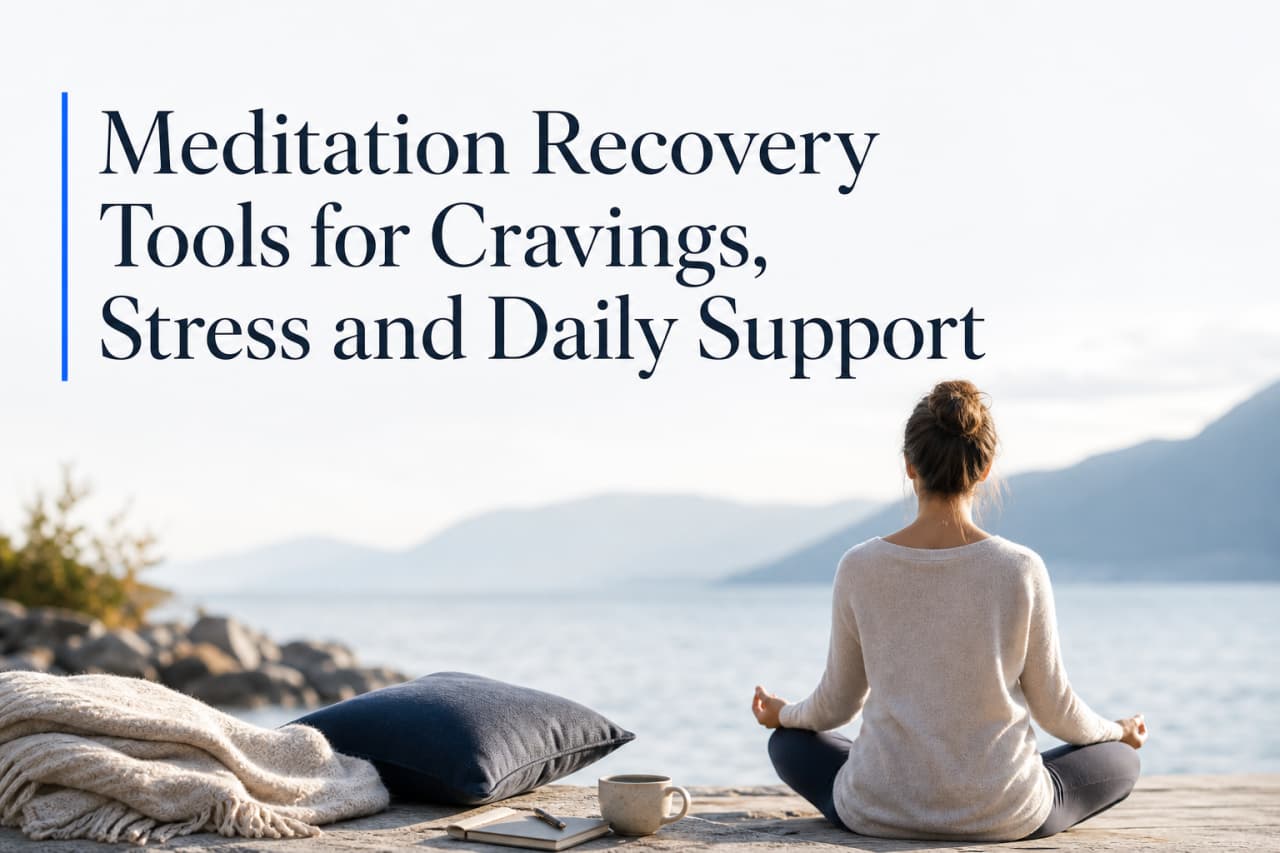
Mindfulness meditation can help you notice anxious thoughts without chasing them. Controlled breathing, such as diaphragmatic breathing, works through the body, and yoga does something similar. Learn these properly, through a class or a clinician, and treat them as complementary additions rather than replacements for treatment.
Body-Based Practices: Exercise, Sleep, and Relaxation
Regular exercise is among the cheapest things to try. One source reports that twenty minutes of daily walking over ten weeks improved anxiety. It supports other care but doesn't replace it.
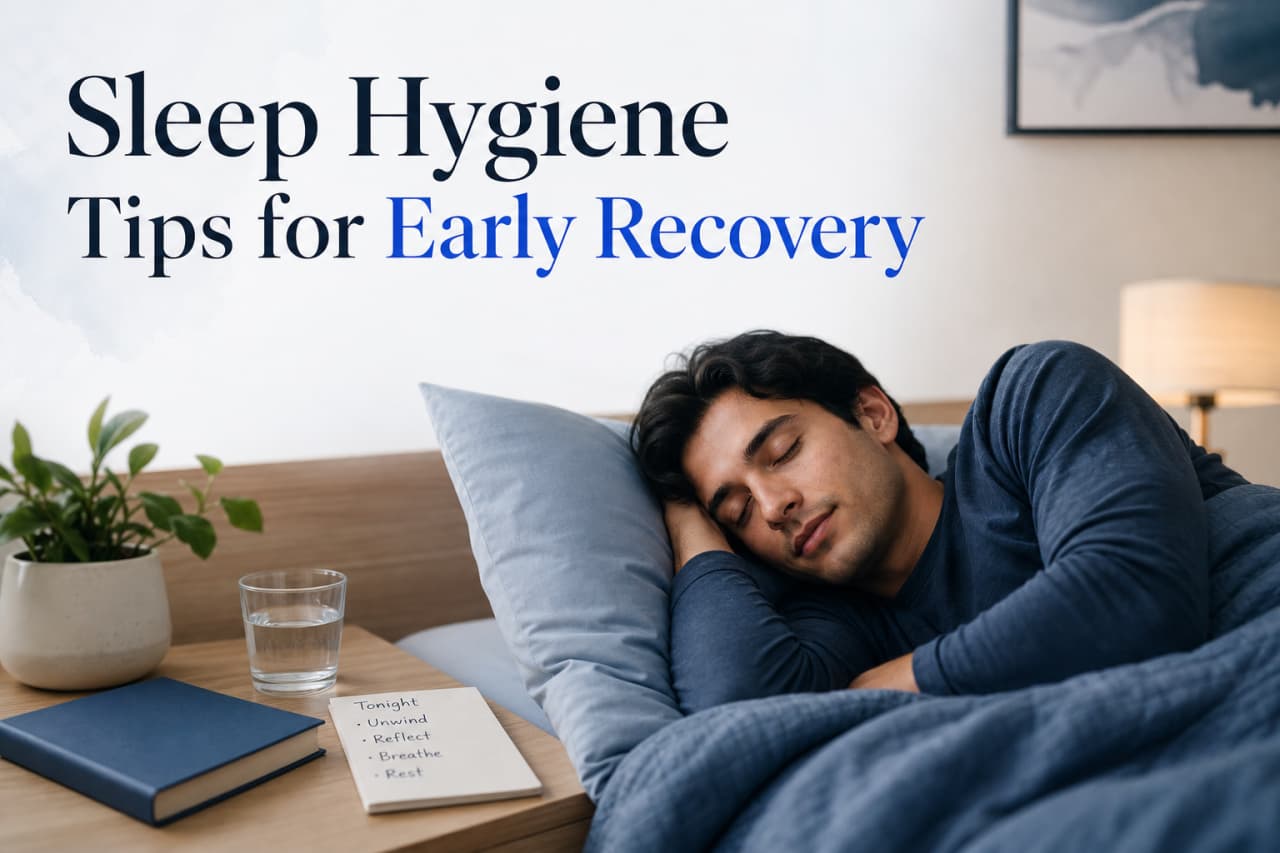
Sleep runs in both directions, since anxiety fragments sleep and short sleep makes the next day's anxiety louder. Consistent wake times, a dark cool room and no screens in bed are basic sleep hygiene, and they're worth fixing early.
Acupuncture is another option some people try for tension and sleep. Quality and results vary by practitioner, so treat it as an experiment and not a core treatment.
Nutrition and Substances: Diet, Caffeine, and Alcohol
Researchers are studying the gut-brain connection, which runs through the immune system, the vagus nerve and gut bacteria. That work is still emerging, so a diet built around whole foods is reasonable, but it isn't proven treatment.
Caffeine is the cleaner experiment, since it can mimic anxiety symptoms like a faster heart rate. Cut it for two weeks, note your anxiety and sleep, then decide. Alcohol deserves the same honesty, because it sedates at first and often rebounds into worse anxiety hours later.
Low levels of some nutrients are associated with anxiety, but association isn't cause, so get tested before supplementing. Among herbal remedies, kava has research showing it beat placebo in generalized anxiety disorder. Ask a physician before taking any herb, especially alongside prescriptions.
Building a Daily Wellness Routine
Pick anchors you can repeat, such as a fixed wake time, a daily walk, a caffeine cutoff by noon, ten minutes of breathing practice and a set wind-down hour. Small repeatable habits beat an ambitious plan you abandon by Thursday.
Reducing Media Exposure and Digital Stress
Social media and constant news alerts keep the nervous system on watch. Turn off nonessential notifications, set a time limit and keep your phone out of the bedroom. Notice which accounts leave you tighter and mute them.
The Recovery Fit Check: A Three-Point Test for What to Try First
Our admissions and clinical staff use a simple checklist when someone asks what to try first. A new strategy should be safe alongside your current medication, doable at least four days a week, and likely to show a change within a few weeks. Start with whatever meets all three, usually sleep, movement or a caffeine trial, and add one change at a time so you know what helps.
How Faith Recovery Center Approaches Anxiety Treatment
Faith Recovery Center is a private, physician-led facility in Beverly Hills with a maximum of 8 patients at a time. Anxiety often appears alongside substance use, and our dual-diagnosis care integrates psychiatry from arrival. Dr. Julio Meza, M.D., is the licensed psychiatrist on our team and specializes in co-occurring disorders. Dr. Jason Giles, M.D., a board-certified physician with expertise in addiction medicine, oversees medical protocols.
We don't offer a program branded around this phrase. Each plan is built around the person and draws on CBT, DBT, EMDR, trauma-informed care, yoga, mindfulness, art therapy, nutrition and fitness, with Medication-Assisted Treatment and medication management when indicated. We're Joint Commission accredited, licensed by the California Department of Health Care Services (license 190130AP) and LegitScript certified, with 24/7 clinical support.
Diagnosis and any medication decision belong with a licensed physician or psychiatrist who knows your history, and a clinical assessment is where that starts.
Challenges, Limits, and When to Seek Professional Help
Complementary options are uneven. Methods, training and practitioner qualifications vary widely, many services aren't covered by insurance, and evidence for several is thin. Seek professional help if anxiety lasts weeks, disrupts work or sleep, brings panic attacks, coexists with depression, or leads you to drink or use drugs to cope.
Frequently Asked Questions About Anxiety Recovery
Can whole-person methods replace medication for anxiety disorders?
No one should stop medication on their own. Whole-person methods can support treatment, since they are generally seen as complementary rather than a replacement, and any change to medication should be made with your prescriber.
Is it safe to combine complementary treatments with prescribed anxiety medication?
Often yes, but herbs and supplements can interact with medication. Tell your physician or psychiatrist about everything you take.
How long does it take to recover from anxiety with whole-person care?
It varies by person. Some notice better sleep and calmer days within weeks, while chronic anxiety can take months of consistent work. Our residential programs typically run 30 to 90 days, individualized to clinical need.
Does mindfulness meditation work for anxiety recovery?
It helps many people, particularly as a skill practiced daily alongside therapy. It isn't a stand-alone treatment for a severe anxiety disorder, and whole-person therapies are generally positioned as complementary.
Which supplements or herbs for anxiety are backed by evidence?
Evidence is limited and mixed. One source says kava works better than a placebo in generalized anxiety disorder, but it carries real cautions, so check with a health professional first.
If anxiety is wearing you down, or showing up alongside substance use, call Faith Recovery Center at (844) 598-5573 for a confidential assessment, or ask about free insurance verification.