
Blog
October 14, 20268 min read
Executive Privacy in Luxury Addiction Treatment
Executive privacy rehab explained: confidentiality layers, work access, legal protections, and a vetting checklist before you choose a program.
Faith RecoveryRead
4.8 · 75 Google Reviews · Beverly Hills
Residential treatment at Faith Recovery Center runs 30 to 90 days based on need. Here's how to sort which relationships support your sobriety and which ones wear it down.
Faith Recovery
Editorial Team
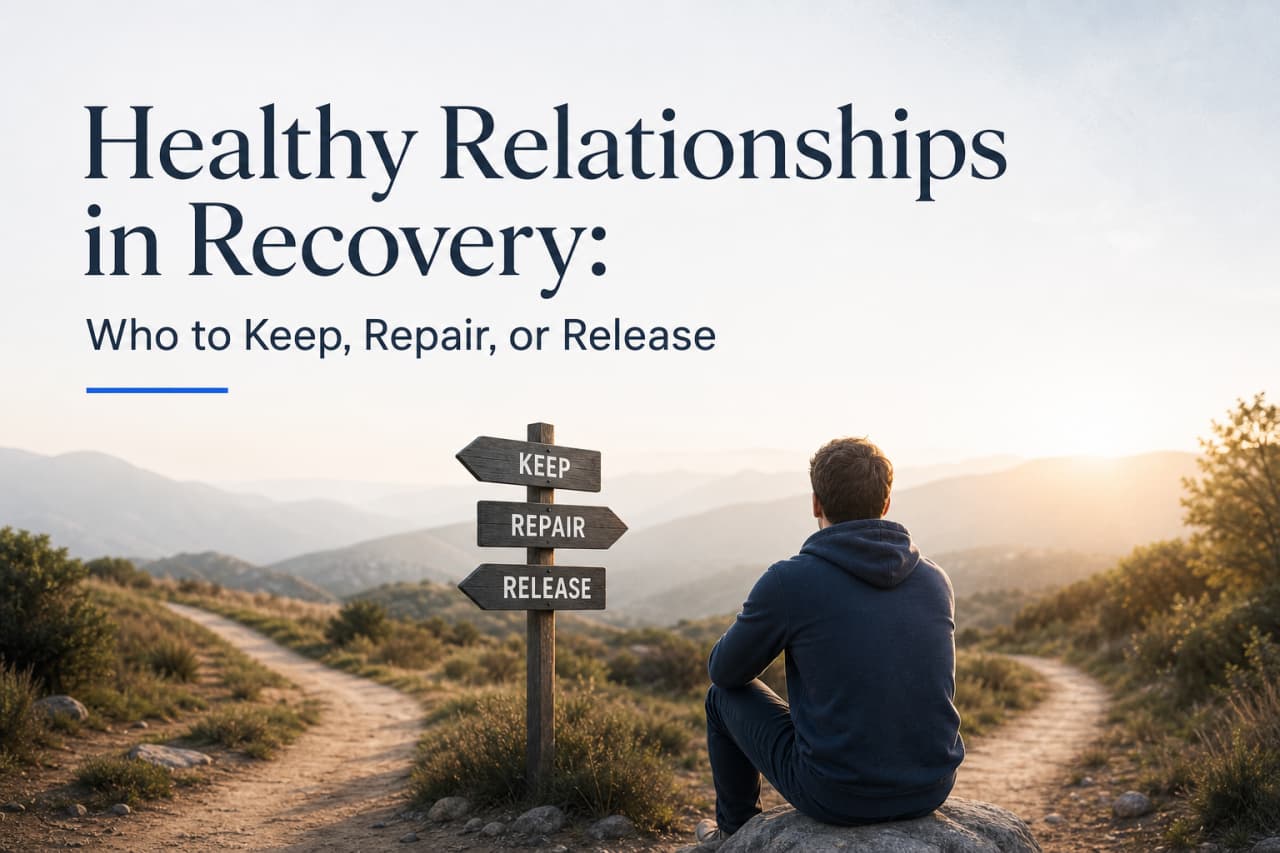
Residential treatment at Faith Recovery Center runs 30 to 90 days based on need. Here's how to sort which relationships support your sobriety and which ones wear it down.
Residential treatment at Faith Recovery Center runs 30 to 90 days based on need, and the people you go home to will shape how well healthy relationships recovery work holds up afterward. Stress, conflict, and old habits travel through the people closest to you, so sorting those relationships deserves as much planning as your medication or therapy schedule. Our Beverly Hills program takes 8 patients at a time, so the team knows each client's history and goals, including who they're going home to. The work ahead is deciding, one relationship at a time, which people support your sobriety and which ones quietly wear it down.
Most people need four things from the people around them: safety, honesty, respect, and the sense that someone is on their side. Emory University's guide to healthy relationships names three ingredients shared by strong friendships and partnerships, which are consistency, vulnerability, and positivity, and it lists emotional support, trust, and a sense of belonging among what those relationships provide. You can read the full guide at Emory Wellbeing. When those pieces go missing for long enough, a drink or a drug can start doing the job a person used to do, easing loneliness or taking the edge off a fight that never gets resolved. Substance use then strains the same relationships further, and the isolation that follows keeps the cycle moving.
Trauma often sits underneath this pattern. Many people learned early that closeness carried risk, so reaching for a substance felt safer than reaching for a person. That history is one reason our residential program includes trauma-informed care and EMDR alongside individual therapy, group therapy, CBT, and DBT rather than treating relationship problems as a separate topic.
Codependency describes a pattern where your sense of worth depends on managing someone else's feelings, choices, or problems. Caring deeply about a partner is normal, and the pattern turns harmful when you cover for their drinking, drop your own needs, or feel responsible for whether they stay sober. One third-party recovery resource notes that this kind of excessive reliance can make it hard to prioritize your own needs and seek treatment (Silver Ridge Recovery). Partners caught in the pattern sometimes resist treatment without meaning to, because the relationship has organized itself around the substance use and recovery threatens that arrangement.
Love addiction isn't a formal diagnosis, though it shares many similarities with substance use disorder and process addictions such as gambling (Encore Recovery). People use the term for a compulsive pursuit of romance or attachment that includes chasing a high and tolerating harm to keep it. In the first months of sobriety, that pattern can quietly swap one dependency for another.
Treat these six signs as warnings to notice rather than a diagnosis of anyone you love. One sign on a bad week means very little, while the same sign most weeks for several months means something real. The Gottmans, whose work the Emory guide linked above summarizes, identified four red flags that break down connection and trust over time. Third-party recovery sources describe similar patterns of constant criticism, defensiveness, and stonewalling in toxic relationships.
The first and clearest sign is that you want to use after time with this person, because at that point the relationship itself has become a trigger. The second is that they still use around you or pressure you to join, even after you've asked them to stop. The third is criticism that targets your character instead of a specific problem, where a complaint like "I felt hurt when you missed dinner" becomes "You never care about anyone." The fourth is defensiveness that blocks every conversation, and the healthier alternative sounds like taking one piece of responsibility out loud, as in "You're right, I did forget." The fifth is stonewalling, meaning silence or withdrawal used as punishment, and the repair is a sentence such as "I need twenty minutes, then I'll come back to this." The sixth is control over your money, your phone, or who you're allowed to see. Third-party recovery sources list financial control and isolation from supportive friends and family among the marks of a toxic relationship (Silver Ridge Recovery), and they describe a lack of trust and constant suspicion as another (Twin Lakes Recovery Center). Financial control and forced isolation can overlap with abuse, and that situation calls for outside support rather than another private conversation.
Relationship stress rarely causes a return to use by itself, and no single argument decides anyone's recovery. Still, people who are draining and unsupportive of your recovery can leave you exhausted and at higher risk of relapse (Twin Lakes Recovery Center). Chronic conflict wears down the same coping skills you're building in treatment. If you're ever unsafe, the National Domestic Violence Hotline offers confidential help around the clock.
Conflict shows up in healthy relationships too, and what matters is how people handle the ups and downs, repair after conflict, and keep showing up for each other (Mindline). Run each relationship through the five checks below and count how many hold true most weeks rather than on the best day you can remember.
First, you can say no to this person without fear of punishment, whether that punishment is anger, silence, or guilt. Second, they respect your recovery goals, including meetings, appointments, and early nights. Third, you leave time together calmer than you arrived rather than craving. Fourth, arguments end with some kind of repair instead of silence that lasts for days. Fifth, you keep friends and a support network outside this one person. A healthy relationship should encourage your sobriety and leave you feeling supported (Twin Lakes Recovery Center), and clear, consistently enforced boundaries are part of what makes that possible (Prescott House). As a rough guide of our own, passing four or five checks means the relationship is in good shape, two or three means it needs work, and one or none means it's actively costing you something.
Recovery sources commonly advise waiting about one year after achieving sobriety before starting a new romantic relationship (Silver Ridge Recovery, Asheville Recovery Center). It's common advice rather than a clinical law, and many people in recovery ignore it because the craving for connection is strong (Scottsdale Recovery). The reasoning is practical. New romance produces intense emotional highs and lows, and the first year is when your sober coping skills are least tested. A breakup in month three can land hard before you've learned to sit with pain without reaching for anything.
Circumstances vary. If you're already married or partnered, the question in front of you is repair, since waiting a year isn't an option you have. If you're single, dating tends to go better once you can name your triggers, hold a daily routine, and talk honestly with a sponsor or therapist about who you're drawn to and why that pattern feels familiar. Treat the one-year guideline as a starting point for that conversation.
Setting boundaries is a skill you practice rather than a speech you give once, and the right amount of contact differs for a parent, a partner, and an old friend you used to drink with. Recovery resources describe the basics as communicating clearly, staying consistent, and limiting contact when a relationship stays harmful (Silver Ridge Recovery, Prescott House). The five steps below follow that order.
Start by naming the specific behavior that harms your recovery, such as drinking in front of you or bringing up your past at family dinners. Next, decide what you'll do in response, because your own action is the only part you control. Then state it once and calmly, with something like "If there's alcohol at dinner, I'll leave early." After that, follow through every time without reopening the argument, since a boundary enforced on alternate weeks teaches people to wait you out. Finally, review the boundary with your therapist or sponsor every few weeks and adjust it as trust changes in either direction.
Related reading
Guilt tends to arrive the moment you hold a boundary, and it hits hardest with family. Often that guilt signals that you broke an old rule that kept the peace at your expense, and Silver Ridge Recovery stresses staying consistent even when the other person resists (Silver Ridge Recovery). Writing down what the old rule was, and who it protected, often makes the guilt easier to sit through.
Here's a simple way to sort each relationship using the five-point self-check above. Keep the people who pass four or five checks and actively support your sobriety, and tell them plainly what helps. Repair the relationships that pass two or three checks where trust broke but both of you want to rebuild, which usually goes faster with a therapist in the room, and counseling can be done alone or as a couple (Twin Lakes Recovery Center). Release, or step back from, people who pass one check or none, who keep using around you, or who ignore boundaries after you've stated them clearly. Limiting or cutting off contact is a recognized option when a relationship stays harmful (Silver Ridge Recovery). Release often means distance and fewer calls rather than a dramatic ending, and the decision can be revisited in six months.
Replacing released relationships matters, because isolation carries its own relapse risk. Peer support groups such as AA, SMART Recovery, and Refuge Recovery are where many people make their first sober friends, and a sponsor or trusted peer provides the accountability that makes hard decisions easier to keep when the guilt shows up.
In residential treatment at our Beverly Hills estate, you work through CBT, DBT, and group therapy with a team that knows all 8 clients by name. Family therapy is available when appropriate, and family visitation usually begins after initial stabilization. Dr. Julio Meza, our psychiatrist, integrates care for anxiety, depression, trauma, and related conditions that often sit underneath relationship strain, and that psychiatric assessment begins on arrival rather than by referral weeks later.
After residential care, our partial hospitalization and intensive outpatient programs, which often run one to three months or longer, let you practice these skills at home while still meeting with the same clinical team. Aftercare and relapse-prevention planning happen before discharge. Loved ones can call admissions on someone's behalf, and every call stays confidential.
Support helps someone face the consequences of their choices while you stay connected to them. Enabling shields them from those consequences, for example by paying debts from use or calling in sick on their behalf. One recovery resource lists encouraging substance use or downplaying recovery goals as enabling behavior (Silver Ridge Recovery). A practical test is whether your action makes continued use easier or harder for them.
Ending it isn't automatic, but you'll need firm boundaries and a written plan for the nights it gets hard. If their use keeps triggering cravings or they refuse to respect your sobriety, distance may be the safest choice available, and limiting contact is a recognized option (Silver Ridge Recovery). Talk it through with a therapist before deciding, since the decision looks different at 30 days sober than at a year.
Rebuilding trust starts with honesty about what happened and a concrete return to treatment or support. Consistent actions over months matter far more than promises made in the first week. Couples counseling gives both people a structured place to repair without the conversation turning into another fight (Twin Lakes Recovery Center).
Make amends with changed behavior first and words second. Skip any amends that would hurt the other person or reopen wounds mainly for your own relief, and plan the conversation in advance with a sponsor or therapist. Clear, consistent communication is the common thread in the boundary guidance from Silver Ridge Recovery.
The one-year guideline is aimed at new romantic relationships (Silver Ridge Recovery, Asheville Recovery Center), so it doesn't ask existing couples to separate. For people already partnered, the first year is better spent on repair, honest communication, and family or couples therapy where appropriate. Many couples find that planned sober time together, built into a weekly routine, does more for reconnection than waiting for a big gesture.
Our admissions team answers 24/7 at (844) 598-5573, calls are confidential, and insurance verification is free before you commit to anything. Family members can call on someone's behalf, and many clients arrive within 24 to 48 hours of that first conversation. You can also reach us through our Contact Us page.
About the author
Helpful educational resources from Faith Recovery.
In this article
Continue reading
Executive privacy rehab explained: confidentiality layers, work access, legal protections, and a vetting checklist before you choose a program.
Stress management relapse prevention explained: warning signs, the stages of relapse, coping strategies, and when to get professional support.
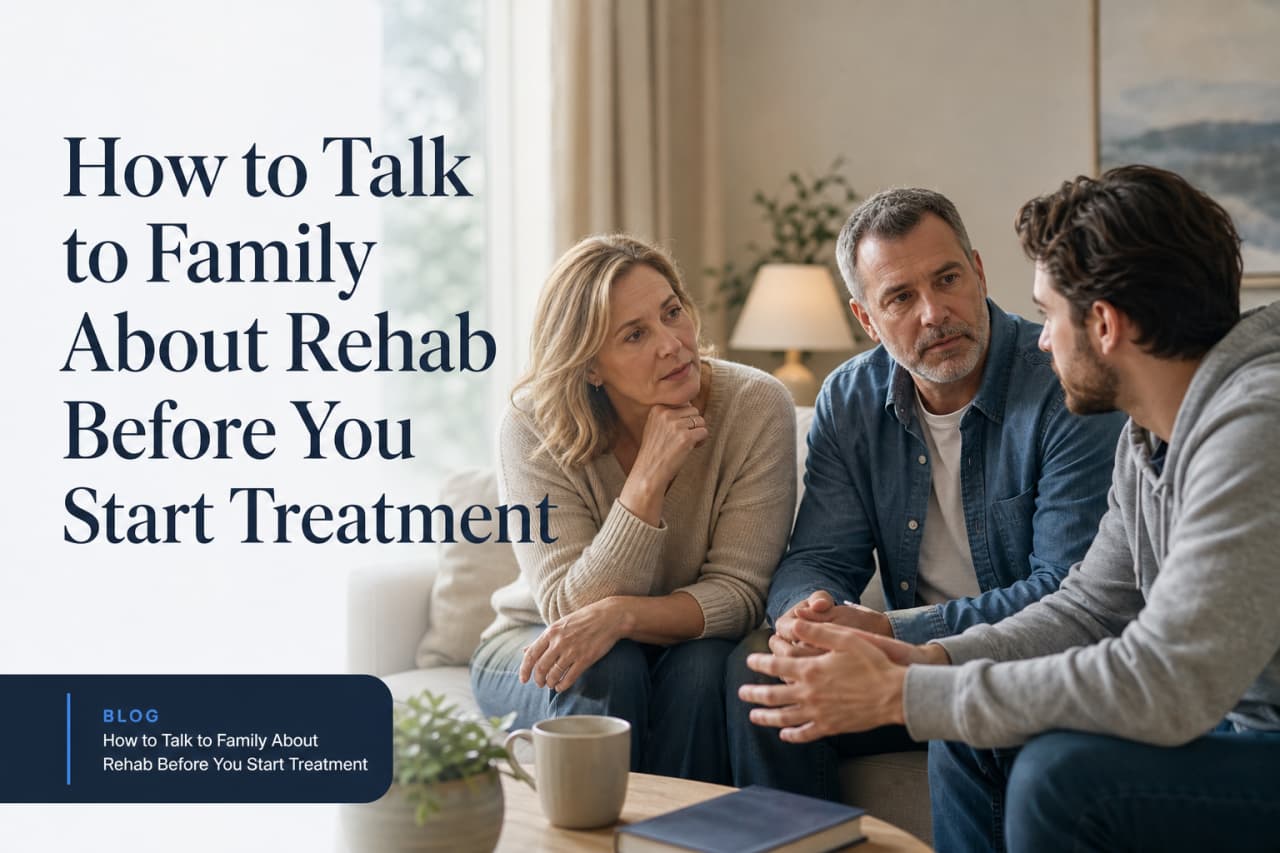
Many clients at Faith Recovery Center are admitted within 24 to 48 hours of a first call, so the conversation with family often happens fast.
Most cravings crest within about 15 to 30 minutes, even though one in progress can feel permanent. If you can stay safe until the peak passes, the urge loses its grip.
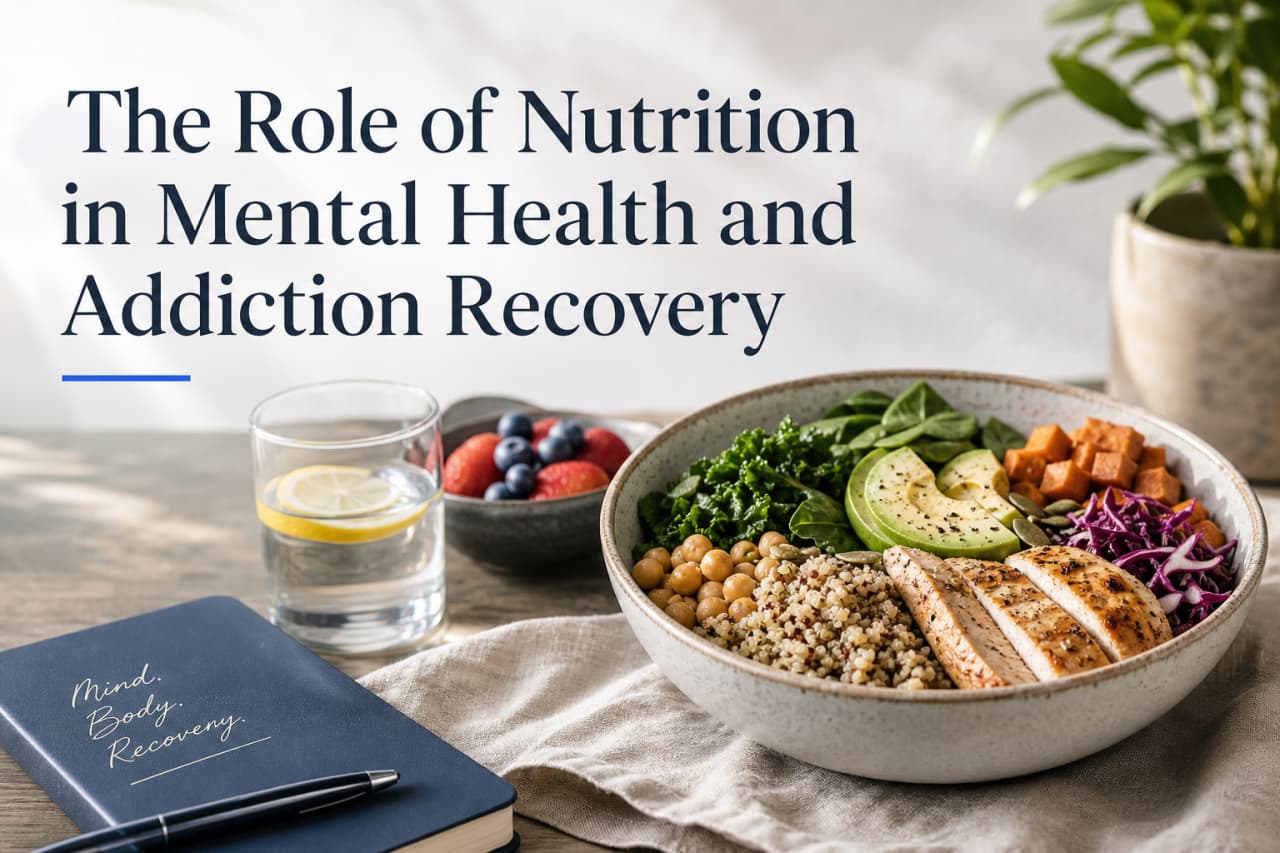
Substance use disorder can lead to malnutrition and vitamin deficiencies, and blood sugar swings from poor dietary choices can trigger cravings. Here is how to eat for recovery.

Exercise in rehab starts only after a physician clears it.
Ready to take the next step
Faith Recovery Center offers confidential admissions, insurance verification, and evidence-based treatment in a private Beverly Hills manor — 24 hours a day.