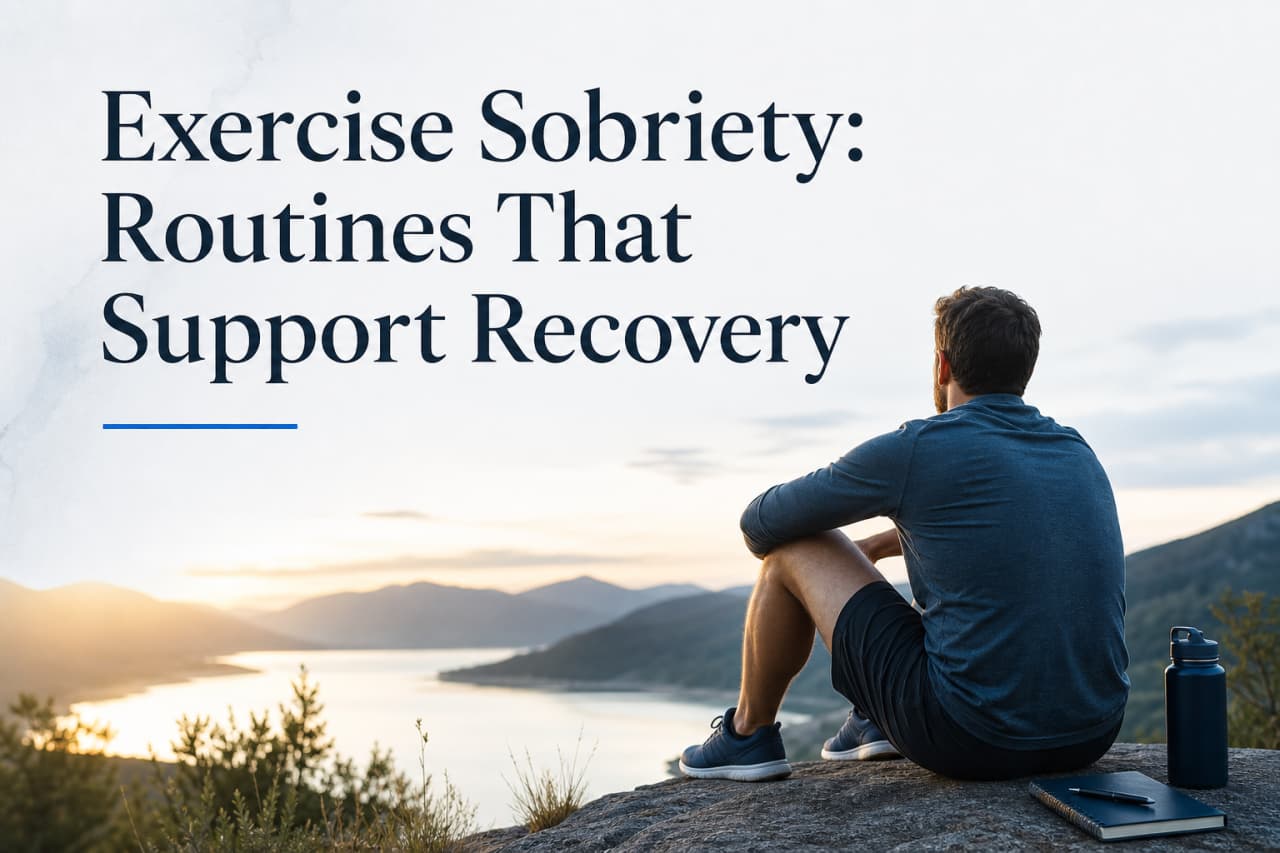
Most people in their first month of recovery find the evenings hardest, because that is when drinking used to fill the hours. At Faith Recovery Center in Beverly Hills, our team sees exercise sobriety as a practical way to give those hours a shape, though never a substitute for clinical care. The general adult guideline of 150 minutes of moderate activity per week is a reasonable target, but it is not an addiction-specific prescription (NHS).
How Exercise Sobriety Works
Exercise raises dopamine and endorphins, and one proposed explanation is that this eases cravings and low mood (Recovery Ranch, Proathlix). The evidence on that mechanism is still developing, so we don't promise it will prevent a return to use. One person in a peer forum said a morning workout made it easier to fall asleep without thinking about needing alcohol (Talking Sober).
Structure matters just as much. Early recovery leaves hours that drinking used to fill, and a scheduled workout gives those hours a shape (Recovery Ranch). One forum poster compared the discipline of doing hard things day after day to sobriety itself (Starting Strength forum). That is lived experience and not clinical proof.
Benefits of Exercise in Recovery
Mental and Emotional Benefits
Physical activity can boost self-esteem, mood, sleep quality and energy (NHS). People who tried exercise as a route to sobriety also report a lift in self-esteem (Proathlix). A longer walk or a heavier lift gives you a visible measure of progress, and group classes add contact with people who aren't connected to drinking. What feels best may change as your fitness changes.
Physical Health Benefits
Beyond mood and sleep, the NHS lists energy as another benefit of regular activity, and many people notice that first (NHS). Whether exercise helps the brain repair after alcohol misuse is a question for primary research, and we'd rather point you to NIAAA than overstate it. Nobody can promise to reverse years of drinking, but a medical team can tell you what to expect.
What Counts as Exercise?
Walking, cycling, swimming, yoga, resistance training and team sports all count, and the NHS encourages a mix of activities across the week (NHS). Moderate intensity means your heart rate rises and you can talk but not sing. Vigorous intensity means you manage only a few words at a time. The CDC's activity guidelines set the 150-minute moderate target, or 75 minutes vigorous.
How to Start in Early Sobriety
Wait until withdrawal is medically managed. Alcohol and benzodiazepine withdrawal can be dangerous, and hard exertion with a racing heart rate, dehydration or tremors adds risk. Working out while hungover or still intoxicated is also unsafe, and it won't sober you up because your liver clears alcohol at its own pace.
Once you're stable, start with 10 to 20 minutes of something you like. One fitness source suggests a daily 10-minute brisk walk or yoga session adds up over time (Proathlix). Vary the activity, keep the intensity manageable, and add time gradually.
Choosing an Activity
If you're anxious or restless, choose rhythmic cardio or yoga. People who need structure do well booking a class or a training partner. Anyone feeling isolated can pick a group activity, since a gym or class gives you a reason to be around people building connections (Proathlix). If you want measurable progress, strength training gives you numbers to track.
Watch for exercise becoming a new compulsion. One poster on a sobriety forum described feeling like they were crawling out of their skin after two days without a workout (Reddit r/Sober). If irritability when you miss sessions or training through injury sounds familiar, tell your care team.
Exercise Within Treatment at Faith Recovery Center
Our residential program, typically 30 to 90 days, pairs CBT, DBT, EMDR and group therapy with yoga, mindfulness, nutrition and on-site fitness. With a maximum of eight patients, our clinicians know your history and set activity to your medical condition. Detox comes first when needed, under 24/7 physician-supervised care with medical protocols overseen by Dr. Jason Giles, M.D., and psychiatric care is led by Dr. Julio Meza, M.D. when co-occurring conditions are present. Exercise sits alongside therapy, medication management and meetings, never in place of them.
Frequently Asked Questions
Can exercise replace addiction treatment or therapy?
No. Exercise supports recovery, but it doesn't treat underlying trauma, anxiety, depression or physical dependence. It works best next to therapy and, when indicated, medication.
How soon after quitting drinking should I start exercising?
After a clinician confirms withdrawal is stable. Detox often takes about 5 to 10 days, and light walking usually comes first.
Is it safe to exercise during alcohol withdrawal?
Generally not without medical supervision. Withdrawal can cause seizures and heart rhythm changes, so don't test your limits on your own.
How much exercise per week supports sobriety?
The general guideline is 150 minutes of moderate activity weekly (NHS). Most people in early recovery should begin well below that and build up.
Ready to take the next step? Call Faith Recovery Center at (844) 598-5573 for a confidential assessment and free insurance verification.