Blog
October 14, 20268 min read
Executive Privacy in Luxury Addiction Treatment
Executive privacy rehab explained: confidentiality layers, work access, legal protections, and a vetting checklist before you choose a program.
Faith RecoveryRead
4.8 · 75 Google Reviews · Beverly Hills
Most cravings crest within about 15 to 30 minutes, even though one in progress can feel permanent. If you can stay safe until the peak passes, the urge loses its grip.
Faith Recovery
Editorial Team
Most cravings crest within about 15 to 30 minutes, even though one in progress can feel permanent. If you can stay safe until the peak passes, the urge loses its grip.
Most cravings crest within about 15 to 30 minutes, even though one in progress can feel permanent. Addiction specialists note that these urges are strong but pass, typically within about 5 to 30 minutes. Cravings management in recovery leans on that single fact. If you can stay safe until the peak passes, the urge loses its grip and you are still sober on the other side. At Faith Recovery Center in Beverly Hills, we teach clients to treat a craving as information to act on rather than proof that treatment failed.
A craving is a strong urge to use that shows up in your thoughts, your emotions, and your body at the same time. You might notice a persuasive internal voice saying one drink won't hurt, a wave of restlessness or irritability, and physical signs like a tight stomach or a racing heart. Having cravings in recovery is normal and expected, and it says nothing about your character (source).
The mechanism is learned association. Repeated use teaches your brain to link a substance with relief or reward, and it also links the substance to the people, places, and moods around it. Researchers describe part of this as neuroadaptation, where the prolonged presence of a substance changes brain-cell function and its absence leaves an imbalance that registers as craving. The National Institute on Drug Abuse explains these changes in plain language, though parts of the model are still being studied. Craving also matters clinically because it has been implicated as a predictor of future use, which is why treatment programs target it directly.
Individual cravings are time-limited, and clinicians commonly estimate they last about 15 to 30 minutes, though you should treat that as a typical range rather than a guarantee. They are usually strongest in early sobriety, when withdrawal symptoms and a disrupted routine overlap. Over the following months, most people find cravings decrease in strength and frequency, though the timeline differs for every person. Later cravings tend to be sparked by cues and stress rather than withdrawal, so they can surprise you weeks, months, or years in.
A trigger is the cue, and the craving is the response, since triggers are stimuli that can lead to substance seeking while cravings are the strong desire to use. Separating the two matters because you can often remove or plan around a trigger before a craving ever starts. Try logging every craving for 14 days, noting the time, the place, who you were with, and how you felt. Patterns show up fast, and they point to practical changes like taking a different way home or deleting a dealer's number.
External triggers include bars, certain friends, paydays, and old routines. Internal triggers are feelings like loneliness, boredom, shame, or stress, and emotional cravings often follow stress, boredom, or reminders of past use. The HALT check asks if you are hungry, angry, lonely, or tired, since each one lowers your defenses. When a craving hits, run through HALT first, then fix what you can, whether that means eating, texting someone, or going to bed early.
The DEADS sequence recommended by SMART Recovery gives you steps to follow when you can't think straight. Delay acting for at least five minutes, then escape the situation if you can. Avoid the people and places tied to use, distract yourself with something absorbing like music or a walk, and substitute a healthy action for the old habit. Calling a peer or sponsor fits at any step.
Urge surfing feels backward because you stop fighting the craving and watch it instead. Notice where it sits in your body, rate its intensity from 1 to 10, and breathe slowly as you track it rising, peaking, and subsiding like a wave. Many addiction specialists urge people to surf the urge and accept that urges come in waves. Slow breathing and other relaxation techniques settle your nervous system while you wait for the peak to pass. Yoga builds the same skill, because it teaches you to accept the temporary nature of discomfort as you hold demanding poses. These practices get easier with repetition, which is why our clients do mindfulness and yoga sessions daily rather than once in a workbook.
| Craving level | What it feels like | Best tool |
|---|---|---|
| Mild (1–3) | Passing thought | HALT check, distraction |
| Moderate (4–6) | Persistent pull, restlessness | Urge surfing, leave the setting, call someone |
| Severe (7–10) | Hard to think about anything else | Get to a safe person or place now, contact your treatment team |
Therapy, medication, and daily habits work best together, and no single approach replaces the others. Each one lowers your baseline risk of returning to use in a different way, so stacking them gives you more margin on a bad day.
Cognitive behavioral therapy teaches you to catch the thought behind a craving and argue back with evidence, and researchers describe it as giving patients cognitive strategies for craving-inducing situations. DBT adds distress-tolerance skills for high-emotion moments, and group therapy lets you rehearse coping skills with people facing the same urges. For some people, medication helps. SAMHSA describes how naltrexone can reduce cravings for alcohol and how buprenorphine and other medications for opioid use disorder reduce opioid cravings, and a review in the research literature notes that naltrexone has been found to reduce return to drinking among people who are abstinent. Whether any of these fits you is a decision for your physician after an assessment.
Related reading
Poor sleep in early recovery makes cravings sharper, because tiredness is one of the four HALT triggers and it drags down every other coping skill. Regular physical activity, steady meals, and a predictable day remove several triggers before they start. Support groups such as AA or SMART Recovery give you peer support and someone to call when a craving spikes at 11 p.m.
Write down your top five triggers with a plan for each, and save the numbers of three people you can call. Pick two in-the-moment tools you have actually practiced, and draft a short script for turning down a drink at social events, paired with an exit plan and your own drink in hand. Add your sleep, meal, and exercise times, then list the warning signs that mean it is time to call your treatment team.
We treat a maximum of 8 patients at a time in a private Beverly Hills manor, so your clinicians learn your specific triggers rather than handing you a generic list. Care runs from physician-supervised medical detox through residential treatment, PHP, IOP, and aftercare under one roof, with 24/7 clinical support. Dr. Jason Giles oversees detox and MAT protocols, and psychiatrist Dr. Julio Meza treats co-occurring conditions, because untreated anxiety, depression, or trauma can influence craving long after withdrawal ends. Clients build relapse prevention plans in CBT, DBT, EMDR, group therapy, yoga, and mindfulness sessions before discharge. Faith Recovery Center is Joint Commission accredited, licensed by the California Department of Health Care Services, and LegitScript certified.
If cravings persist despite consistent coping strategies, disrupt your sleep or work, or you have already used again, that is a sign to add structure rather than try harder alone. A higher level of care, a medication review, or treatment for an underlying mental health condition can change what you are up against.
No, a craving is a signal, and a return to use is a decision made under pressure. Most cravings pass without use when you have a written plan and someone to call.
Saying a craving out loud to someone who understands usually weakens it. A sponsor or group member can also keep you company until the peak passes and help you leave a risky situation.
Old associations fade but do not disappear, and researchers suggest later cravings come from a long-term recollection of what it was like to use. A major stressor, a loss, or a familiar cue can reactivate them, which is why long-term plans should address stress and cues as well as withdrawal.
For many people they become rare and mild, but cravings may never go away completely, which is why knowing your triggers matters. The goal is to make cravings manageable so you can stay sober through them.
Wait five minutes, leave the setting, run a HALT check, and call someone. Go for a walk, eat something, take a shower, or put on music. Surf the urge with slow breathing, or read your written reasons for recovery.
If cravings are winning more often than you are, call our admissions team 24/7 at (844) 598-5573 for a confidential assessment and free insurance verification. You can also send your insurance details to admissions through our contact page and hear back from someone who handles these calls every day.
About the author
Helpful educational resources from Faith Recovery.
In this article
Continue reading
Executive privacy rehab explained: confidentiality layers, work access, legal protections, and a vetting checklist before you choose a program.
Residential treatment at Faith Recovery Center runs 30 to 90 days based on need. Here's how to sort which relationships support your sobriety and which ones wear it down.
Stress management relapse prevention explained: warning signs, the stages of relapse, coping strategies, and when to get professional support.
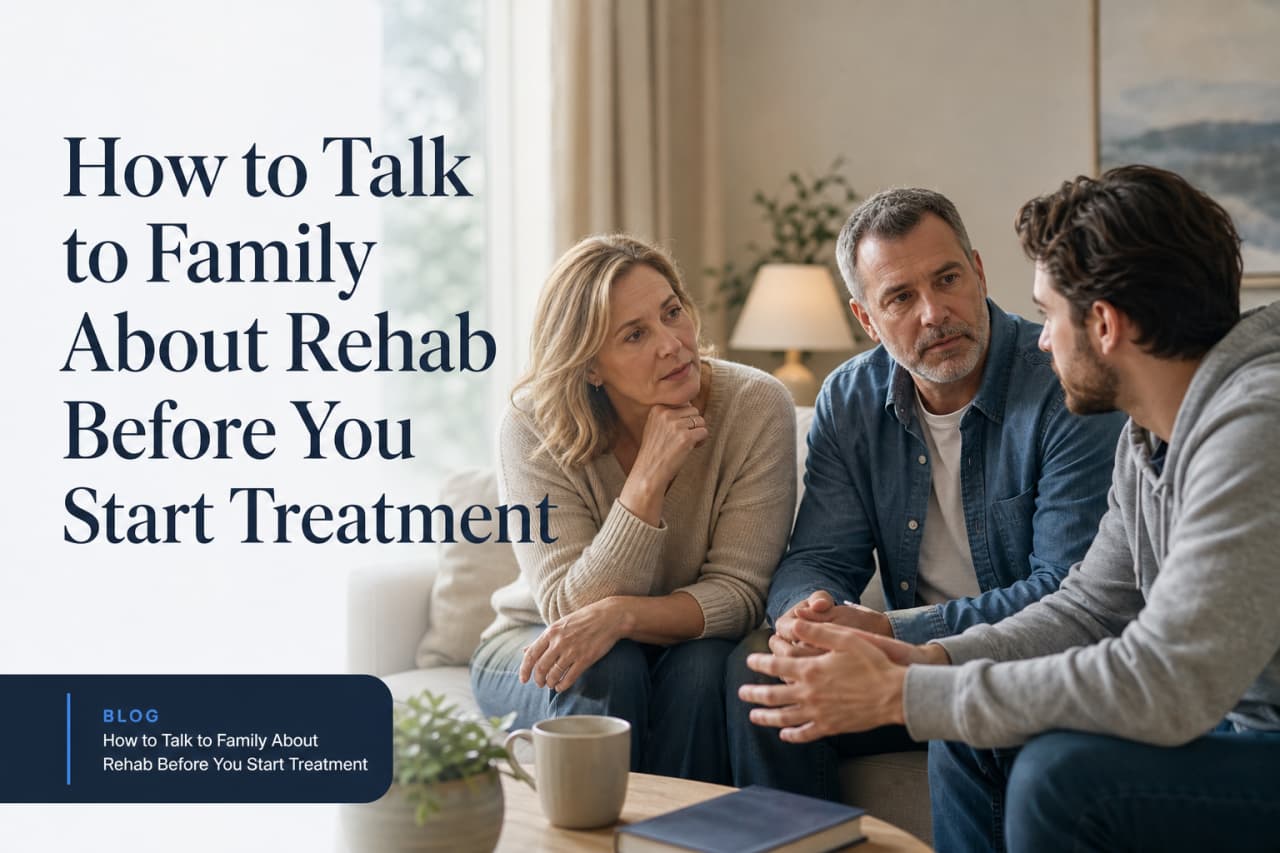
Many clients at Faith Recovery Center are admitted within 24 to 48 hours of a first call, so the conversation with family often happens fast.
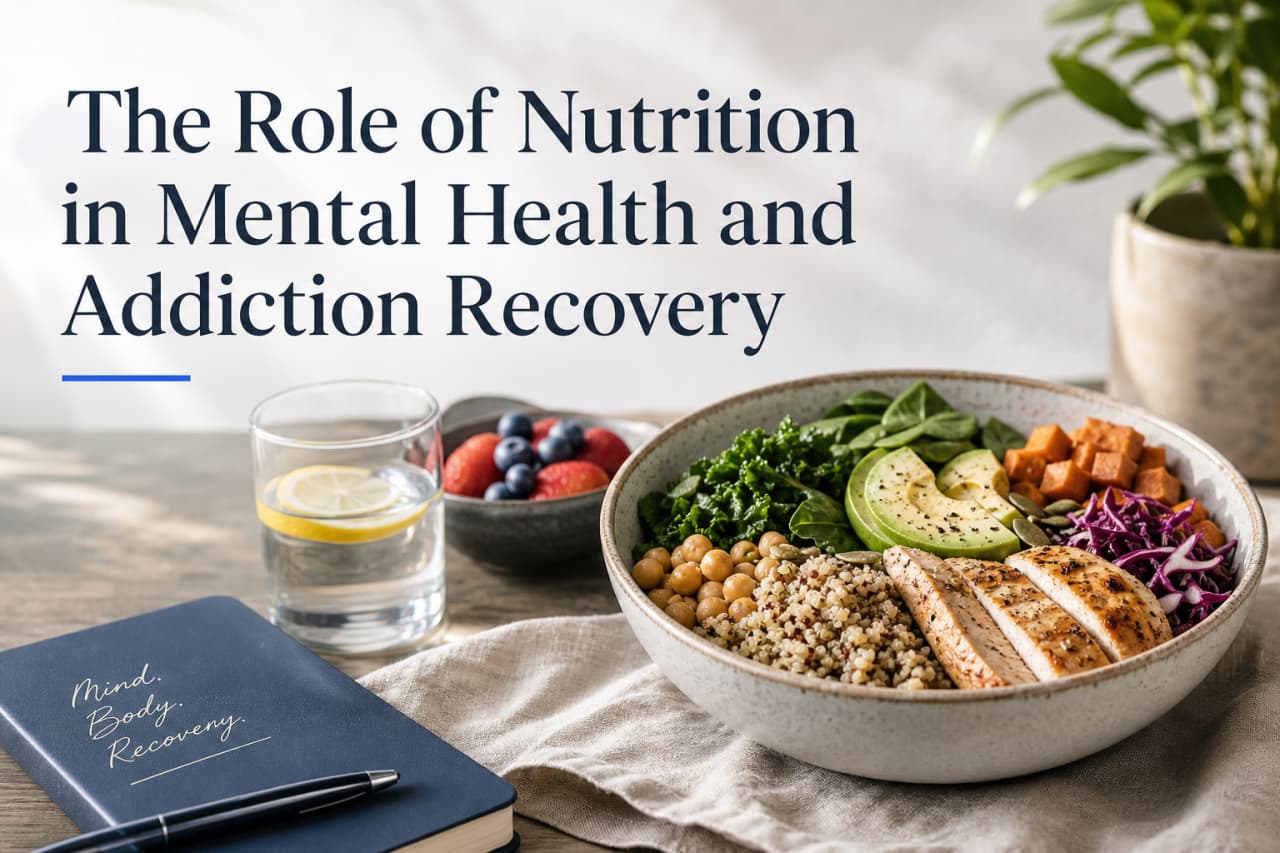
Substance use disorder can lead to malnutrition and vitamin deficiencies, and blood sugar swings from poor dietary choices can trigger cravings. Here is how to eat for recovery.
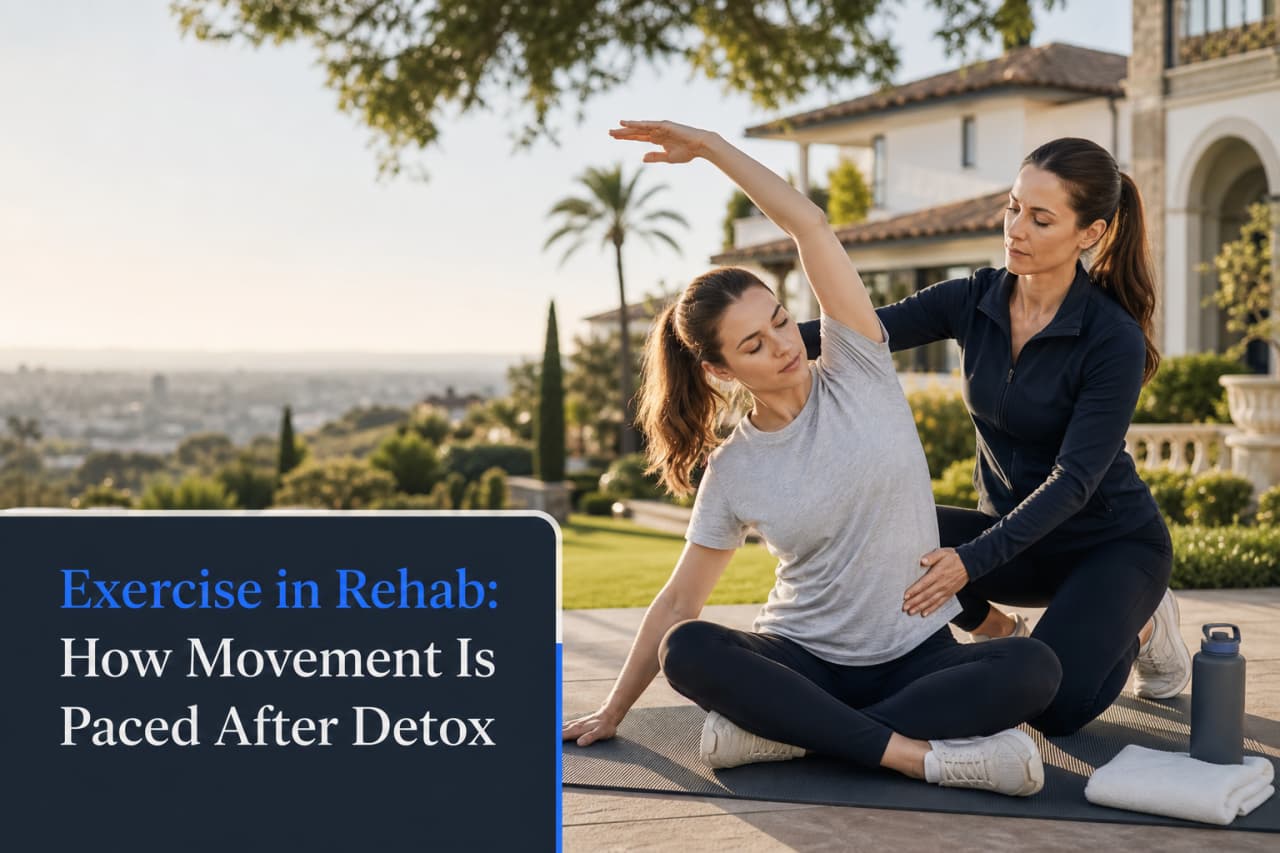
Exercise in rehab starts only after a physician clears it.
More from Blog
View allReady to take the next step
Faith Recovery Center offers confidential admissions, insurance verification, and evidence-based treatment in a private Beverly Hills manor — 24 hours a day.