Blog
October 17, 20266 min read
Holistic Anxiety Recovery: A Practical Order of Care
A sensible sequence for anxiety care, from medical evaluation and therapy to sleep, movement and daily habits, with the limits of each step.
Faith RecoveryRead
4.8 · 75 Google Reviews · Beverly Hills
Many treatment centers keep a peer community open to former clients after discharge.
Faith Recovery
Editorial Team
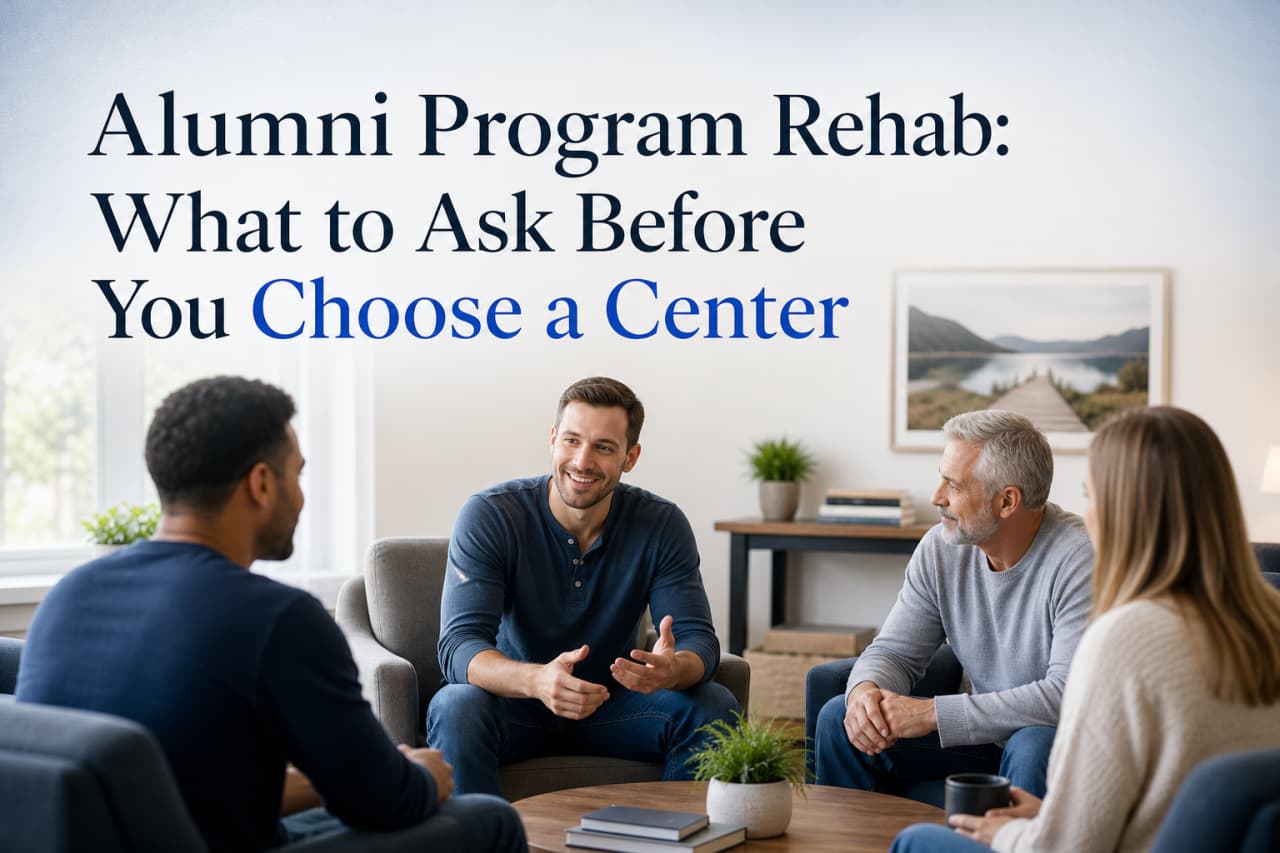
Many treatment centers keep a peer community open to former clients after discharge.
An alumni program rehab families can lean on after a 30 to 90 day residential stay fills the gap when therapy, meals, and structure suddenly stop. Many centers run a peer group of former clients for exactly that moment, and it sits apart from any level of clinical care. The questions you ask on the first admissions call shape what the first year at home looks like. At Faith Recovery Center, discharge planning is clinical and written down before anyone leaves, and we tell families plainly where peer community fits beside it.
Rehab alumni programs keep former patients in contact with staff and with each other after discharge, though not every facility takes part. According to RehabSpot, some facilities don't participate in alumni programs at all, some take part in programs run by former patients, and some operate their programs directly. The active ones rely on shared history and sober company rather than clinical sessions. A person can attend alumni meetings for years and never receive a therapy hour from them, and that's by design.
Aftercare is the clinical plan, and a licensed team is accountable for it. It can include PHP or IOP, individual therapy, psychiatric follow-up, medication management, and a sober living referral. An alumni group is one piece a person might add, and it helps most when the clinical pieces are already arranged. Be cautious with any center that offers alumni events in place of a written aftercare plan.
The first months after inpatient rehab are a vulnerable period for most people. Structure drops away overnight, old routines and contacts are close again, and the daily therapy schedule ends. SAMHSA describes community and supportive relationships as core dimensions of recovery. One alumni-program guide, I Am Sober, points out that many patients lack the support they need during recovery, which can leave them isolated, and that isolation raises the likelihood of a return to use. Alumni programs try to fill that gap with people who've lived through the same transition.
Peer support is the main mechanism. Mile High Recovery Center says alumni networks promote accountability through scheduled meetings, progress monitoring, and goal-setting activities, which make it harder to drift away quietly. No alumni group can prevent a return to use on its own, and a program that promises otherwise is overselling.
Alumni involvement also gives people a place to practice skills from treatment, like naming a craving or handling a conflict, around peers who give honest feedback. RehabSpot notes that activities vary from facility to facility, and even at different times of the year, and may include virtually any social activity as long as it's sober. Programs also commonly list meetings, mentorship between newer and longer-term members, and volunteer roles.
Programs that run their own alumni network usually put one person in charge. I Am Sober describes a program coordinator who leads the work, keeps in touch with former patients, and organizes community events. A good coordinator also points members back toward clinical staff when they need more than peer support. Without that role, nobody follows up when a member goes quiet.
Raise these during the admissions call rather than after discharge, because the answers separate an active community from a mailing list. First, ask whether a named person runs the program and how members reach that person. Second, confirm that meetings and events happen on a set schedule rather than when someone remembers. Third, check for a virtual option if you live more than an hour from the center. Fourth, ask what happens when a member needs more than peer support and how quickly the center can bring that person back into clinical care. Fifth, find out what role families play, if any. Sixth, ask whether people who returned to use or left treatment early are still welcome. That last answer tells you more than any brochure, because it shows how staff treat people on a hard day.
Our continuum covers medical detox, residential treatment, PHP, IOP, outpatient care, and aftercare at one Beverly Hills estate, licensed by the California Department of Health Care Services under license 190130AP and accredited by The Joint Commission. Because clients step down without changing facilities, the clinicians who know a person's history stay involved through the transition. Dr. Jason Giles, a board-certified physician, oversees medical protocols from detox assessment through residential care, and Dr. Julio Meza, a licensed psychiatrist, integrates psychiatric care for co-occurring conditions. With 8 patients at most, the team knows each client by name, which makes discharge planning specific rather than generic.
Related reading
Before a client leaves, we complete relapse prevention planning and coordinate aftercare as a standard part of discharge. Our process is to write down the outpatient programming, the psychiatric follow-up for conditions such as anxiety, depression, or PTSD, and the referrals to sober living and to groups such as AA, SMART Recovery, or Refuge Recovery. Family therapy during treatment prepares the people at home for their part. We don't market a branded alumni membership, so the peer community in our plans comes from those established fellowships and from the bonds clients build with each other in a house of 8. Ask admissions how that fits your situation when you call.
An alumni group is made up of people who went through the same treatment center, so you share a common starting point and often know some of the same staff. AA and NA are open mutual-help fellowships available in almost every city and online. The two complement each other, and many people use both as part of recovery.
Virtual meetings remove the commute and keep people connected who live far from the center or travel for work. In-person gatherings put faces in the room and allow side conversations that are hard to replicate on a screen. Many programs offer both, and asking which format a center runs is a fair request during admissions.
Some programs host family events or education nights, and policies vary by center. Families also benefit from support of their own, such as Al-Anon or family therapy. At Faith Recovery Center, family therapy is part of treatment when appropriate, and visitation typically begins after initial stabilization.
Many programs welcome people back, because a recurrence is common in recovery from a substance use disorder and staying connected matters most at that point. Leaving early may affect eligibility at some centers, so ask directly. If you've returned to use, a clinical reassessment is the right next step alongside peer support. NIDA notes that relapse signals a need to resume or adjust treatment.
Cost and duration vary by center, so ask before admission. Clinical aftercare such as IOP is billed through insurance or private pay regardless of how an alumni group is funded, and some programs describe themselves as lifelong networks with no end date. Verify benefits for any outpatient care you plan to use. Our insurance verification is free and confidential.
If you or someone you love is planning treatment, call our admissions team 24/7 at (844) 598-5573. Insurance verification is free and confidential, and we'll walk you through what aftercare planning looks like before discharge.
About the author
Helpful educational resources from Faith Recovery.
In this article
Continue reading
A sensible sequence for anxiety care, from medical evaluation and therapy to sleep, movement and daily habits, with the limits of each step.

Answers to common medical detox questions: withdrawal safety, medications, how long detox lasts, insurance, and what happens next at Faith Recovery Center.
Leaving residential treatment is the point where the structure of daily life drops away, which is why aftercare resources in Los Angeles deserve as much planning as treatment itself.
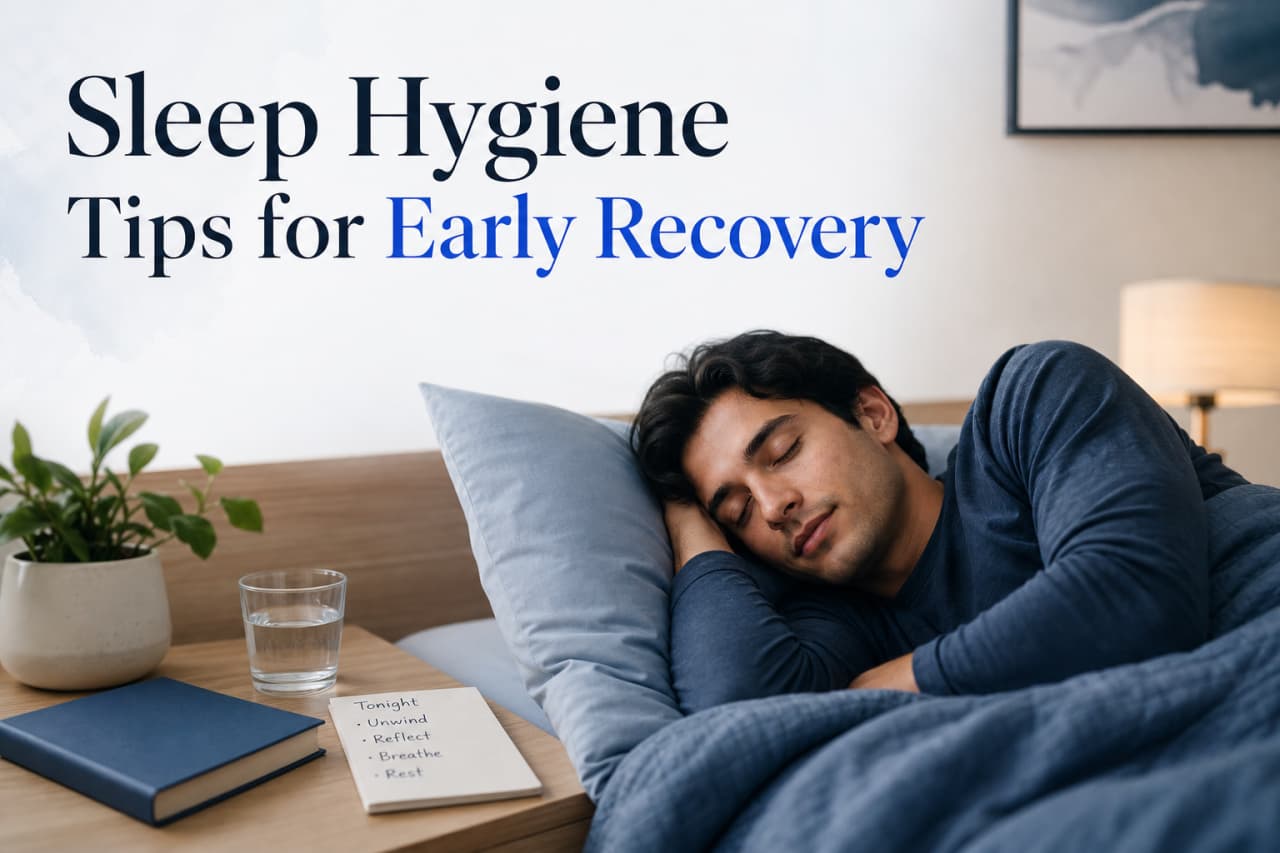
Poor sleep is a common complaint in early recovery. Here is which sleep habits to fix first, and when trouble sleeping means you need clinical help.
Meditation recovery tools work best when they target a specific problem, such as a craving at 6 p.m. or a spike of anxiety before a family call. Here is how to choose one.

Executive privacy rehab explained: confidentiality layers, work access, legal protections, and a vetting checklist before you choose a program.
Ready to take the next step
Faith Recovery Center offers confidential admissions, insurance verification, and evidence-based treatment in a private Beverly Hills manor — 24 hours a day.