Blog
October 17, 20266 min read
Holistic Anxiety Recovery: A Practical Order of Care
A sensible sequence for anxiety care, from medical evaluation and therapy to sleep, movement and daily habits, with the limits of each step.
Faith RecoveryRead
4.8 · 75 Google Reviews · Beverly Hills
Leaving residential treatment is the point where the structure of daily life drops away, which is why aftercare resources in Los Angeles deserve as much planning as treatment itself.
Faith Recovery
Editorial Team
Leaving residential treatment is the point where the structure of daily life drops away, which is why aftercare resources in Los Angeles deserve as much planning as treatment itself.
Aftercare resources in Los Angeles fill the gap that opens when a residential stay ends, and at Faith Recovery Center that stay typically runs 30 to 90 days. Our team in Beverly Hills starts discharge planning before a client leaves, so the first week home already has appointments, people, and a place to be.
Los Angeles County has several kinds of aftercare, and they work best in combination. We can't verify every program in the county, so where fees or hours matter, confirm them directly with the provider.
Aftercare is the set of services that continues your recovery once a higher level of care ends. It can include outpatient therapy, medication management, sober housing, peer support, and family involvement, and no two plans look identical.
The first weeks back in a normal routine bring the same stressors, people, and places that were part of use. A plan turns vague intentions into scheduled commitments. It can't promise a particular outcome, but it gives you something to lean on when cravings or conflict show up.
Length depends on clinical need and progress. At our center, outpatient care through PHP and IOP often runs one to three months or longer, and many people keep meetings or therapy going well beyond that.
Most Los Angeles recovery services fall into five categories: step-down clinical programs, sober living housing, individual therapy and psychiatry, peer support groups, and county or community services.
Step-down programs include partial hospitalization and intensive outpatient care, which keep several hours of weekly clinical contact in place while you return to work, school, or family. Short-term counseling and referral services, often offered through county and community agencies, can bridge the gap while you wait for a longer-term provider.
Los Angeles County runs a public substance use services system with a locator for treatment and support options. You can start with the Los Angeles County Substance Abuse Prevention and Control site, which lists services and a helpline. Fees, hours, and eligibility change, so call before you travel.
Sober living is a drug- and alcohol-free house where residents live together, follow house rules, and typically work or attend programming during the day. It sits between residential treatment and fully independent living, and structured homes are one of the options described in this Los Angeles aftercare resource.
Accountability in practice often means curfews, scheduled house meetings, and in many homes drug or alcohol testing, though rules differ from house to house. Structure means you wake up, eat, and show up to appointments on a predictable schedule, which matters when motivation dips. Peers who are also early in recovery will notice if you stop coming home.
Sober living is housing, not treatment. It tends to work best paired with outpatient therapy or a day program, and our team often recommends that pairing at discharge when a client's home environment isn't stable or sober.
Ask about house rules, curfew, and the consequences of a return to use. Ask whether testing is done and how often, what the weekly cost is, and what that cost includes. Find out whether residents must attend outpatient care or meetings, whether the home accepts insurance or is private pay, who manages the house, and how conflicts are handled. Visit if you can, and speak with current residents first.
Insurance usually covers clinical services rather than rent, so therapy is typically billed to your plan while housing is paid separately. Ask each home to explain exactly which costs fall where.
Outpatient care anchors most aftercare plans. Partial hospitalization is the more intensive level, with structured daily programming, while intensive outpatient is a lighter weekly schedule that fits around a job or classes.
Relapse prevention work inside these programs is concrete. You identify your personal triggers, rehearse responses, build a written plan for high-risk situations, and learn to treat a slip as information rather than failure. CBT and DBT are commonly used here, and EMDR can address trauma that fuels use.
If you're prescribed medication for opioid or alcohol use disorder, or for anxiety, depression, or bipolar disorder, outpatient care is also where that treatment is monitored and adjusted. Stopping medication abruptly after discharge is a common and avoidable problem.
Los Angeles has meetings at nearly every hour of the day, including AA, NA, SMART Recovery, which uses a science-based self-management approach, and Refuge Recovery, a Buddhist-inspired alternative. Each uses a different philosophy, and trying several before settling is reasonable.
The county's support group directory can help you find groups by type and area, though you should confirm times and format with the group before attending. Many meet in person and online, which helps if work or transportation is a barrier (source).
Peer support also reduces the stigma that keeps people quiet. Hearing someone describe a return to use and a restart in plain terms makes asking for help feel ordinary, and that is often the first thing that changes.
Women often carry caregiving duties, higher rates of trauma history, and safety concerns that shape what works. Look for women-only groups, trauma-informed therapists, and housing with clear safety policies. Los Angeles has women-specific and LGBTQ+-affirming meetings and programs, and you can ask any provider directly how they support those identities before committing.
Men tend to enter aftercare expecting a short, practical fix and drop off when things feel stable. A good plan sets specific commitments, such as weekly therapy, a sponsor or peer group, and a work routine, and names who will check in. Anger and stress management skills, both part of our clinical programming, often matter here.
Veterans often face co-occurring PTSD, chronic pain, or sleep problems, so aftercare should include integrated mental health care. The U.S. Department of Veterans Affairs offers substance use and mental health services, and a plan can combine VA resources with private outpatient care. Ask any provider how they coordinate with other treating clinicians.
Related reading
Four questions narrow the choice quickly. First, is your home sober and stable? Second, how severe was your use, and how recently did you last return to use? Third, does a co-occurring mental health condition need ongoing treatment? Fourth, what can you realistically commit to each week?
If your home is unstable or triggering, start with sober living plus outpatient care. If home is stable but your use was severe, PHP then IOP gives you structure without moving. With strong support, a clear schedule, and a shorter history, IOP or standard outpatient with meetings may be enough. When in doubt, choose the more structured option and step down, because stepping down is easier than recovering from a rushed exit.
Faith Recovery Center is a physician-led treatment center in Beverly Hills with a maximum of 8 patients at a time, so the clinicians planning your discharge know your history and goals by name. The same team that treats you in detox and residential care builds your aftercare plan before you leave.
Our continuum runs through medical detox, residential treatment, PHP, IOP, and outpatient care under one roof, with Medication-Assisted Treatment when clinically indicated. Psychiatric care is integrated through Dr. Julio Meza, our psychiatrist, and medical protocols are overseen by Dr. Jason Giles, M.D. Clients often continue with the same clinicians as they step down.
Aftercare coordination at discharge includes relapse prevention planning, referrals to ongoing therapy and sober living where appropriate, and links to 12-step or alternative groups. Despite the name, we're not a religious program. Spiritual practice is welcome if you want it, and all treatment is clinical and evidence-based.
We're Joint Commission accredited, licensed by the California Department of Health Care Services, and LegitScript certified. We work with many private PPO plans, including Aetna, Anthem, Blue Cross Blue Shield, Cigna, Humana, Optum, and UnitedHealthcare, and we verify benefits for free and in confidence.
Start by confirming licensure. California's Department of Health Care Services licenses substance use treatment facilities, and accreditation from The Joint Commission is a second check. Ask any provider for their license number and verify it with the state.
Then ask about access, including fees, hours, wait times, and which insurance they take. Ask whether clinicians are licensed, how they handle co-occurring conditions, and what happens if you return to use. A provider that answers plainly and doesn't pressure you to decide that day is a better sign than a polished brochure.
The SAMHSA treatment locator is a national, searchable directory that lets you filter by location, payment type, and services. It makes a useful cross-check alongside county resources.
A written plan beats a mental one. It should name your outpatient provider and first appointment date, your meeting schedule, your housing, and the people you'll call when things get hard.
Beyond therapy and meetings, a plan typically covers medication management, a daily routine, nutrition and exercise, a work or school plan, financial steps, family communication, and a list of triggers with specific responses. Life skills such as budgeting and scheduling belong here too, because instability in daily life is a common pathway back to use.
Warning signs that you need more support include skipping appointments, isolating, romanticizing past use, reconnecting with using contacts, sleep disruption, and rising anxiety or low mood. Any of these is a reason to call your provider early rather than wait and see.
You can combine PHP or IOP, individual therapy, psychiatry, sober living, and peer groups such as AA, NA, and SMART Recovery. County services and national directories add more options. Your treatment team should help you assemble a mix before discharge.
It depends on your clinical needs. Outpatient programs such as PHP and IOP often run one to three months or longer, and many people keep meetings or therapy going beyond that. Your clinicians can adjust the length as you progress.
Medi-Cal may cover some outpatient substance use services, but coverage varies by program and plan, and sober living rent is generally not an insured service. Faith Recovery Center does not currently list Medi-Cal as an accepted plan, so confirm directly with your plan and the county's services line.
Yes. Peer groups like AA, NA, and SMART Recovery are free, and county-funded services may be available at low or no cost depending on eligibility. Call each program to confirm fees, hours, and wait times.
Insurance typically covers the clinical care tied to a home, not the housing itself. Ask each home which services are billable and which costs you'd pay out of pocket, and have your insurer confirm what's covered. Our admissions team can verify your benefits for free.
Start with the county's substance use helpline and local outreach services, which can connect you to treatment, shelter, and case management. Free peer meetings are open to anyone. Tell the provider you're unhoused so they can prioritize housing alongside clinical care.
Yes, women-only and LGBTQ+-affirming meetings, therapists, and programs exist across the county. Ask any provider how they support your identity, and visit before committing.
If you or someone you love is leaving treatment or deciding what comes next, our admissions team is available 24/7 and calls are confidential. Call Faith Recovery Center at (844) 598-5573 or use the contact page to verify insurance and talk through an aftercare plan.
About the author
Helpful educational resources from Faith Recovery.
In this article
Continue reading
A sensible sequence for anxiety care, from medical evaluation and therapy to sleep, movement and daily habits, with the limits of each step.

Answers to common medical detox questions: withdrawal safety, medications, how long detox lasts, insurance, and what happens next at Faith Recovery Center.
Many treatment centers keep a peer community open to former clients after discharge.
Poor sleep is a common complaint in early recovery. Here is which sleep habits to fix first, and when trouble sleeping means you need clinical help.
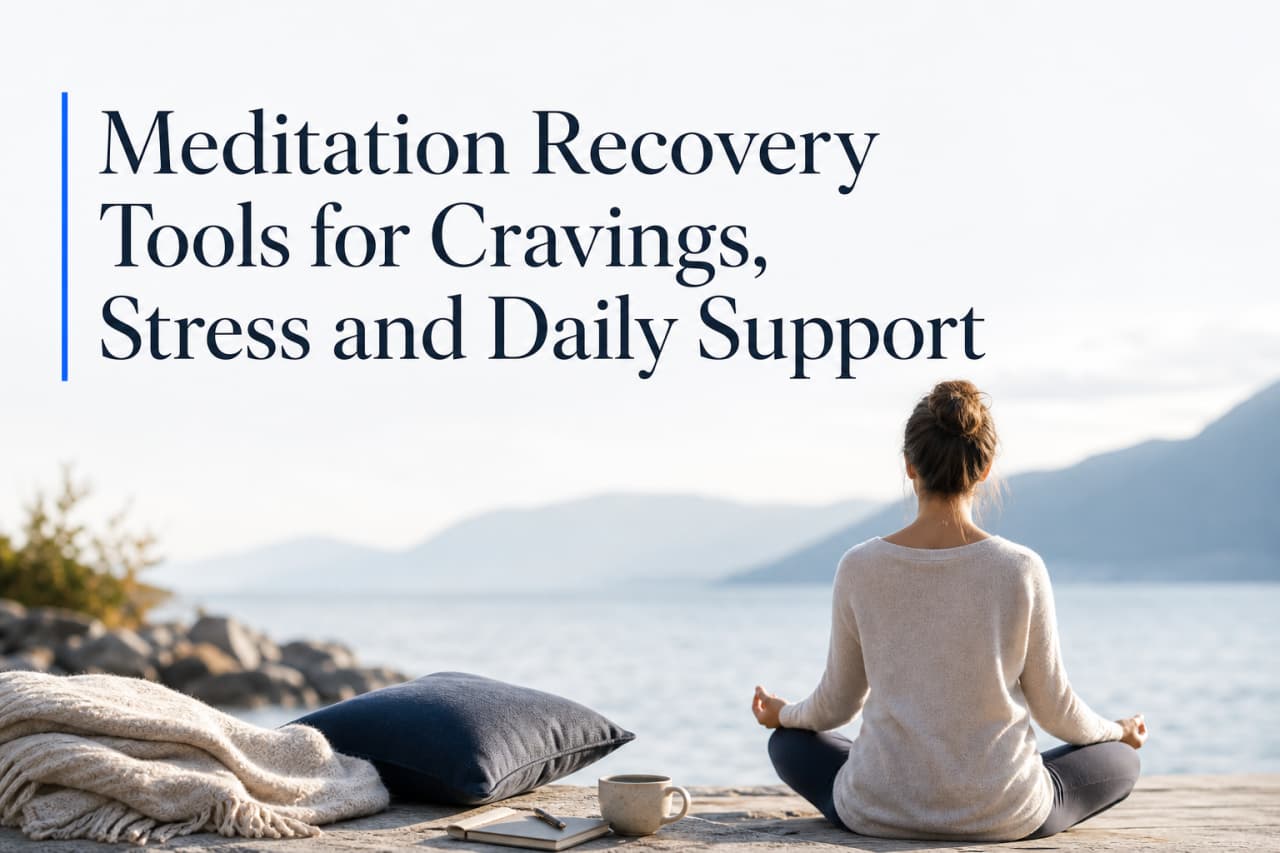
Meditation recovery tools work best when they target a specific problem, such as a craving at 6 p.m. or a spike of anxiety before a family call. Here is how to choose one.

Executive privacy rehab explained: confidentiality layers, work access, legal protections, and a vetting checklist before you choose a program.
Ready to take the next step
Faith Recovery Center offers confidential admissions, insurance verification, and evidence-based treatment in a private Beverly Hills manor — 24 hours a day.