Most addiction recovery success stories don't begin with a dramatic rescue. They begin with one phone call, one honest conversation, or one hard morning after drinking that finally felt different. At Faith Recovery Center, a physician-led treatment program in Beverly Hills that treats no more than 8 patients at a time, we see those beginnings up close. This guide covers what those stories actually have in common, how to read them with a clear eye, and how to use them when you or someone you love is deciding what to do next.
We protect our patients' privacy, so you won't find invented testimonials or named case studies here, only the patterns our clinical team sees repeatedly, described honestly.
What Addiction Recovery Success Stories Show Across 4 Areas of Life
Success in recovery is broader than a sobriety date. People who describe their lives as better after addiction usually point to four areas changing together. Their physical health stabilizes, their work or school becomes manageable again, relationships with loved ones start to heal, and they stop seeing themselves as a problem to be fixed.
That last shift matters because addiction is a chronic disease that changes how the brain handles reward, stress, and self-control. The National Institute on Drug Abuse compares it to conditions like hypertension and asthma. Cravings can persist for months or years, and people who stay sober long term rarely describe cravings vanishing. They describe learning to recognize a craving, ride it out, and reach for support before acting on it.
Addiction also doesn't choose a type, and our patients include executives, parents, retirees, and young people in their twenties. Some started with a prescription after surgery, while others began drinking to quiet anxiety they'd carried since adolescence.
4 Common Paths People Take Into Recovery
Turning points vary more than movies suggest, and for one person it's a DUI or a health scare. For another it's a child asking a direct question, or simply the quiet realization that the plan to cut back has failed for the fifth time. What unites these moments is personal acceptance rather than rock bottom, and you don't have to lose everything before treatment is appropriate.
A second common path runs through mental health. Many people start using alcohol or pills to manage panic, depression, trauma, or racing thoughts from ADHD or bipolar disorder, and that self-medication works briefly before making the underlying condition worse. Family history and childhood trauma can add to that risk, though growing up with an alcoholic parent doesn't make addiction inevitable. Recovery tends to hold only when both the substance use and the mental health condition are treated at the same time, which is why our psychiatrist, Dr. Julio Meza, M.D., starts psychiatric assessment on arrival rather than referring it out later.
Licensed professionals such as physicians, nurses, and pilots often follow a more structured route. Professional health programs can combine a treatment referral, medical detox, and years of monitoring with drug testing, check-ins with a case manager, and documented meeting attendance. Plenty of people in these programs later describe that structure as the thing that kept them honest early on.
A fourth path shows up later, when many people in long-term recovery give back by sponsoring someone, speaking at meetings, or working in the field. Helping others keeps their own recovery active, and it turns years of pain into something useful.
Common Threads in Lasting Recovery
Ask people with years of sobriety what helped most and a few answers come up again and again, and these are the ones our team hears most often.
- Medical safety at the start. Alcohol and benzodiazepine withdrawal can cause seizures, so supervised detox is the first step for many people.
- Enough time in structured care. Residential treatment typically runs 30 to 90 days, long enough to practice new habits before facing old triggers.
- Treating the whole person, including trauma, depression, or anxiety underneath the use.
- A written maintenance plan with named people to call, meetings or therapy on the calendar, and warning signs to watch for.
- Peer support, whether a 12-step program, SMART Recovery, Refuge Recovery, or another support group.
Peer fellowship deserves a closer look, because sitting in a room where someone describes your exact thinking, and then describes getting through it, removes the shame that keeps people isolated. It's one pathway among several, though, and some people do well with therapy and medication-assisted treatment plus a small circle of sober friends. Some attend meetings for decades while others taper off once their lives stabilize. People who stop attending generally do best when they replace meetings with other steady support instead of simply dropping it.
Setbacks, Relapse, and Resilience
Relapse doesn't mean treatment failed, and NIDA estimates relapse rates for substance use disorders at 40 to 60 percent, similar to other chronic illnesses where symptoms return when a treatment plan lapses. A relapse signals that the plan needs adjusting, perhaps more structure, a medication review, or attention to a mental health condition that wasn't fully treated.
Many people who now have long-term recovery went through treatment more than once. Each attempt usually teaches something concrete about which situations trigger drinking, which people are safe, or which feelings they'd been avoiding. Full recovery after multiple relapses is common, and those stories often carry the most hard-won practical wisdom.
“A relapse is information about the plan, not a verdict on the person.”
3 Details to Check When You Read a Recovery Story
Recovery stories offer real hope, and hope drives people to pick up the phone. Still, a testimonial is one person's account rather than a typical outcome, so be cautious with any story that promises a cure, a guaranteed timeline, or a success rate that sounds too clean. Ethical programs don't guarantee sobriety, and Faith Recovery Center doesn't either.
Instead, look for three details you can apply to your own situation. First, notice what kind of care the person received, from detox through outpatient support. Second, check whether they had a co-occurring condition like yours, and third, pay attention to what they did in the first year after treatment to stay clean. Those specifics tell you far more than a before-and-after photo. For opioid recovery accounts in particular, SAMHSA's recovery resources and nonprofit peer organizations share firsthand stories without a sales agenda.
How Faith Recovery Center Supports Your Recovery
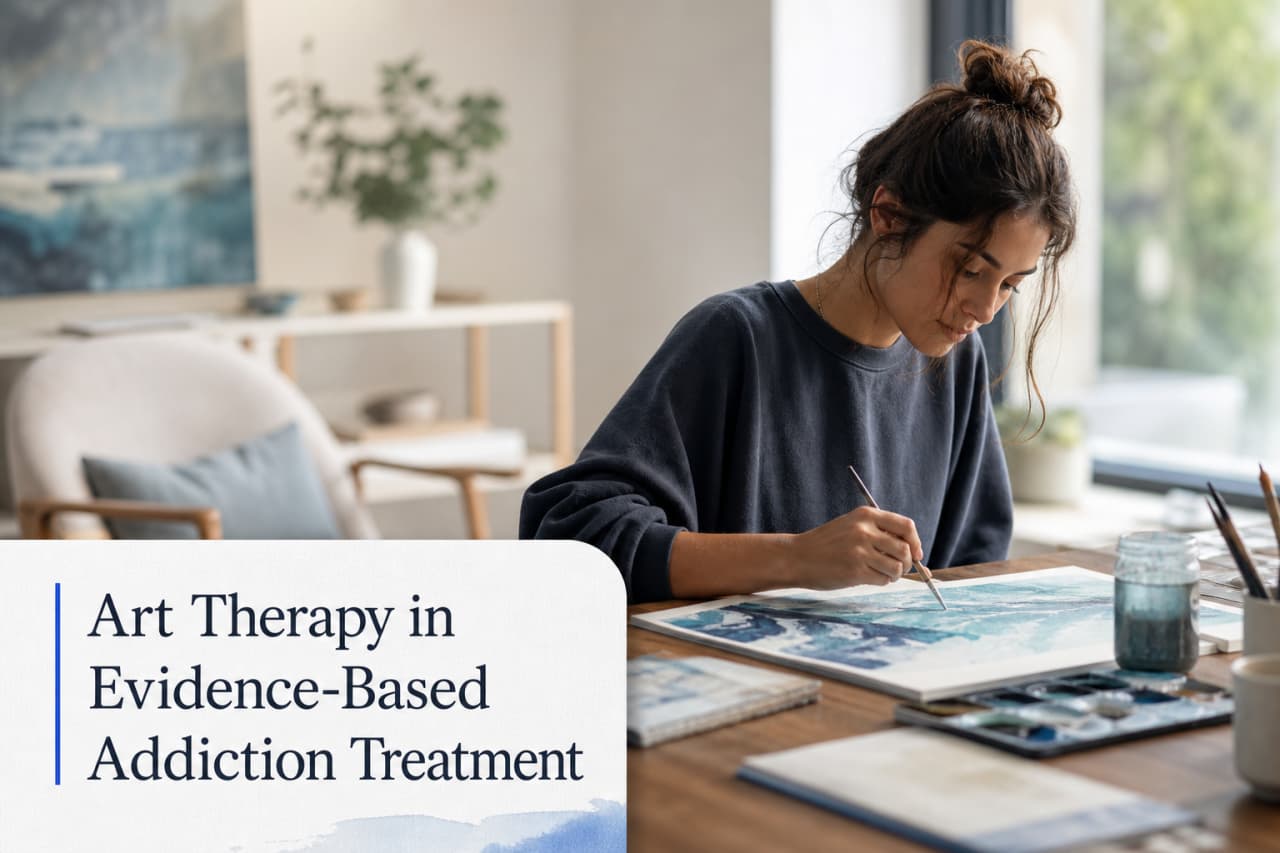
Our program is built around the threads described above. You can move from medical detox to residential treatment to partial hospitalization, intensive outpatient, and aftercare without changing facilities or losing your clinical team. Dr. Jason Giles, M.D., oversees detox and medication protocols, and therapy draws on CBT, DBT, EMDR, and motivational interviewing, alongside yoga, art therapy, and family sessions.
The setting is a private Beverly Hills estate with private suites, chef-prepared meals, and 24/7 clinical support. With an 8-patient maximum, counselors know your history and your goals by name. Before discharge, you leave with a relapse prevention and aftercare plan that can include outpatient therapy, sober living referrals, and peer support options. We're Joint Commission accredited, licensed by the California Department of Health Care Services, and hold a 4.8 Google rating across 75 reviews.
And despite our name, we aren't a religious program, because faith here means hope and renewal. Spiritual practice is welcome if you want it, and all treatment is clinical and evidence-based.
Frequently Asked Questions
How can reading recovery stories help someone struggling?
Stories break the isolation and shame that keep people from asking for help. Seeing someone with a similar background get well makes recovery feel possible rather than theoretical.
What does the first year of sobriety look like?
The first year usually brings improving sleep and energy, followed by emotional ups and downs as feelings that substances once numbed return. Most people attend therapy or meetings frequently during this stretch and rebuild routines slowly. Rebuilding work, finances, and trust often takes one to several years.
How many people in the U.S. are in recovery?
Millions of American adults report being in recovery from a substance use or mental health problem, according to SAMHSA's National Survey on Drug Use and Health. The survey is updated yearly and is the best source for current figures.
Do some people recover without formal treatment?
Yes, some people stop on their own or through peer groups alone. That route is riskier for people dependent on alcohol or benzodiazepines, where withdrawal can be medically dangerous, and for anyone with an untreated mental health condition.
How do people repair relationships with family?
Repair comes from consistent behavior over time, supported by family therapy that gives everyone a safe place to talk. At our center, family visits typically begin after initial stabilization, and family sessions are part of the program when appropriate.
What is life after addiction like?
People describe it as quieter and more honest, with days organized around work, relationships, and health instead of substances. Cravings may still appear, but many say the biggest change is feeling like themselves again.
Taking the First Step Toward Your Own Recovery Story
Your first call is confidential and doesn't require a doctor's referral, and family members can call on a loved one's behalf. Our admissions team will verify your insurance for free, with most major PPO plans accepted, and many patients arrive within 24 to 48 hours. Call Faith Recovery Center 24/7 at (844) 598-5573, or reach us through our contact page to talk through your options.
“TIP: Admissions answers around the clock at (844) 598-5573, or you can reach us through /contact/ to verify your insurance and ask about availability.”